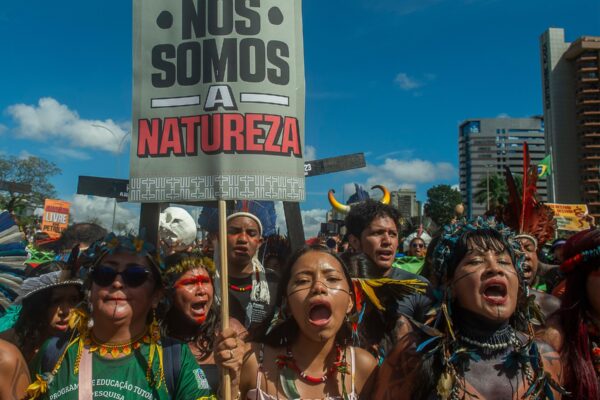

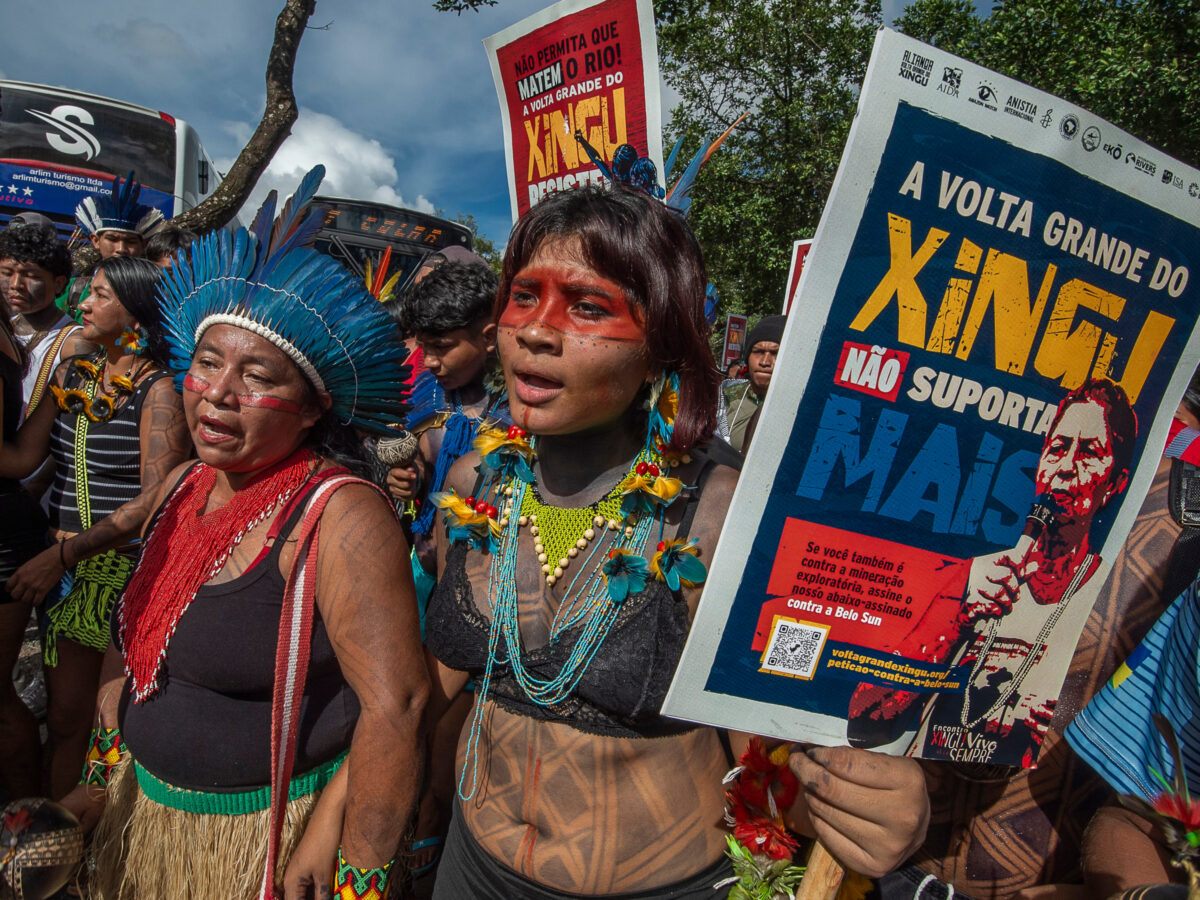
Belém, Brazil – Yesterday, Amazonian Indigenous movements celebrated a political victory against Canadian-owned mining projects. In Amazonas state, a ruling by Brazil’s Federal Court of Appeals of the 1st Region (TRF1) strengthened the resistance of the Mura people against the Potássio Autazes Project, owned by Potássio do Brasil, Brazilian subsidiary of Canada’s Brazil Potash. In Pará state, communities from the Volta Grande do Xingu succeeded in postponing a hearing on the license for Belo Sun, the Canadian mining company seeking to build Brazil’s largest open-pit gold mine in a region already severely impacted by the Belo Monte megadam.
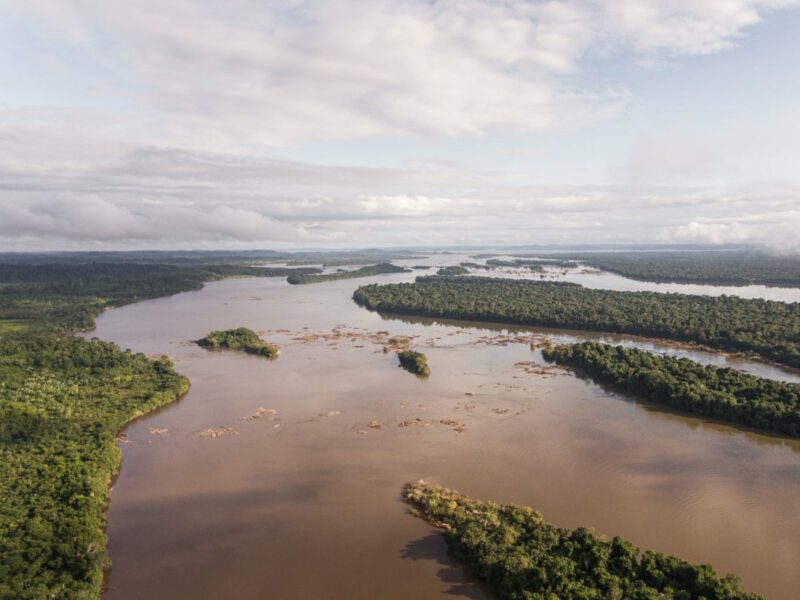
The two cases reflect mounting judicial scrutiny of Canadian mining companies seeking to expand mining in the Amazon under the justifications of development and economic security. Potássio do Brasil aims to mine potash from Autazes, a region inhabited by the Mura people. Belo Sun aims to extract gold in the Volta Grande do Xingu, one of the most ecologically sensitive and biodiverse regions of the Brazilian Amazon.
Though the legal proceedings differ, both cases expose a common concern raised by Indigenous peoples and allied organizations: mining companies attempting to pass off support from pro-mining Indigenous groups as collective community consent. In both proceedings, communities opposing the projects denounce failures in Free, prior, and Informed Consultation, a right guaranteed under International Labour Organization Convention 169. They also question who holds legitimacy to speak on behalf of affected peoples, and which agency – state or federal – has authority over environmental licensing.
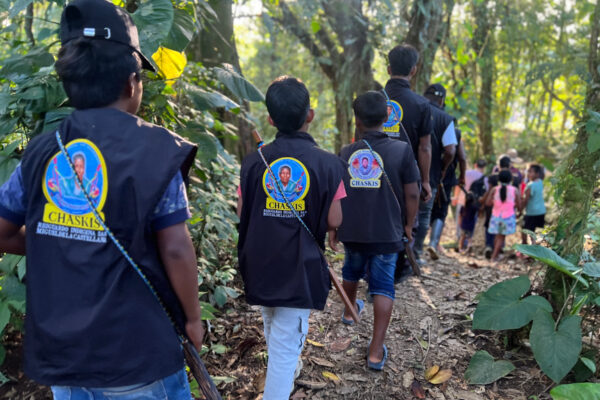
In the Mura case, TRF1 recognized that a pro-project Indigenous organization cannot speak on behalf of villages that do not recognize it as their representative. The ruling also indicated that public agencies, including the Amazonas state environmental agency (IPAAM) and the National Mining Agency (ANM), cannot act in defense of Potássio do Brasil’s economic interests in court proceedings. For the communities, this ruling makes clear that consultation cannot be conducted through interlocutors chosen by the company or by institutions that do not represent all affected peoples. For that reason, the project’s Indigenous consultation process may be challenged and annulled.
“Waking up to this news brought us extreme happiness. Every victory, small or large, strengthens our work even more. This is the answer. We are the answer, because this is about defending life, our home, and our children’s right to still have a piece of land,” said Milena Mura, a leader in the resistance against the Potássio Autazes Project.
In the Volta Grande do Xingu, the movement resisting Belo Sun claimed victory after the court removed the hearing from the court’s docket to first analyze pending requests filed in the case. While the decision does not suspend the project, it buys communities critical time to present judges with evidence of failures in the consultation process, data on the cumulative impacts of the gold mine alongside the Belo Monte dam, and analysis on the socio-environmental risks of a large-scale gold mine on the Xingu River.
“There are still many obscure issues that need to be clarified. This postponement gives us time and breathing room to show society and the judges what mining means in a region already punished by Belo Monte. For us, it was a victory,” said Ana Laide of the Xingu Alive Forever Movement.
For Amazon Watch, the rulings in favor of the Mura people strengthen the case against Belo Sun. “If the courts recognize, in the Mura case, that public agencies cannot act as advocates for a company and that no organization can override the collective decision of the communities, that same reasoning must apply to Belo Sun in the Volta Grande do Xingu, where a federal government agency, such as the agrarian reform agency INCRA, not only supports the project but has also irregularly ceded public lands to the mining company,” said Ana Alfinito, legal advisor at Amazon Watch.