
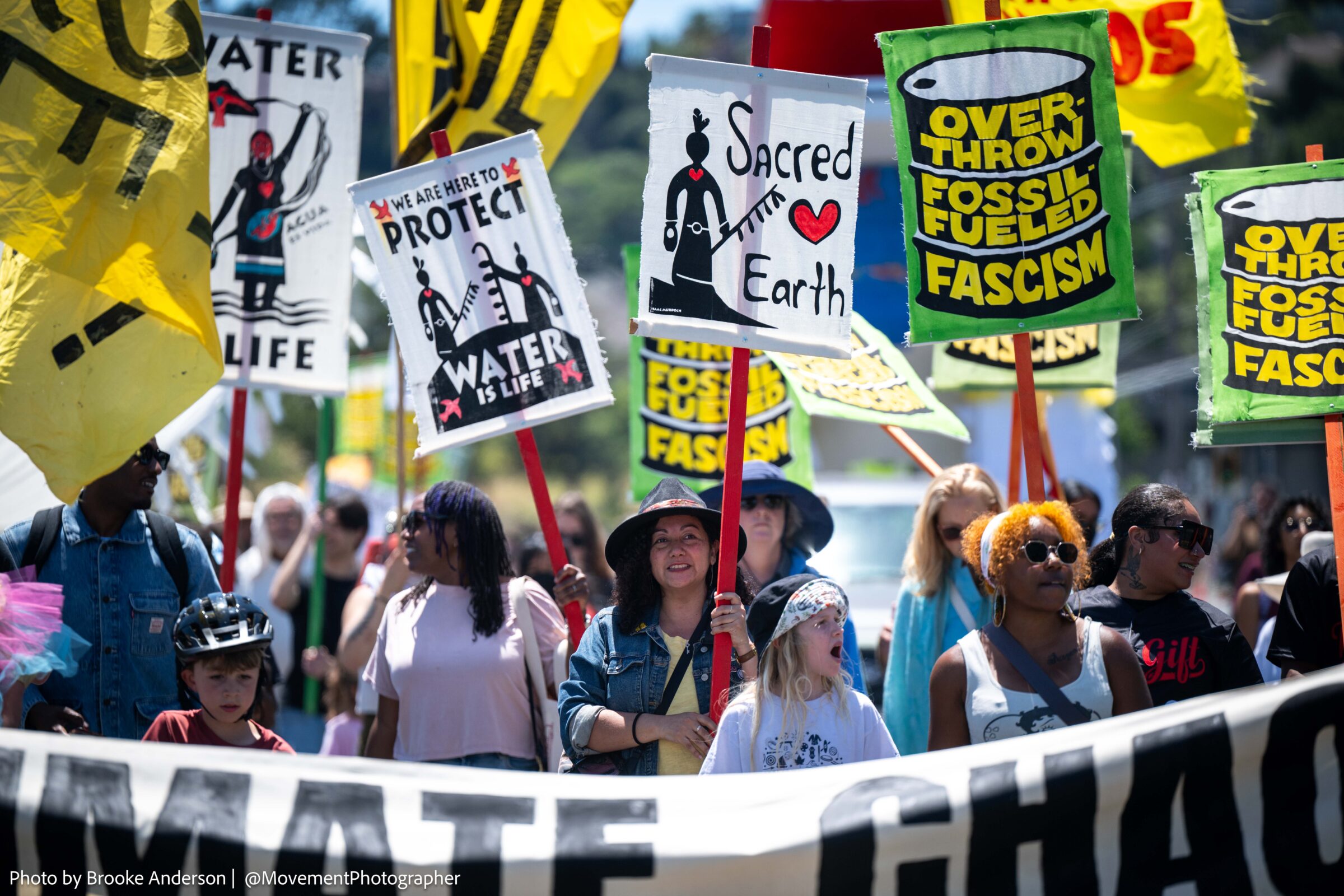
Nearly three decades after communities in the Ecuadorian Amazon first brought global attention to Chevron’s crimes, and 13 years after activists launched the first Anti-Chevron Day in 20 countries, the resistance continues. Chevron remains one of the most polluting companies on Earth – and one of the most determined to avoid accountability for it.
Anti-Chevron Day
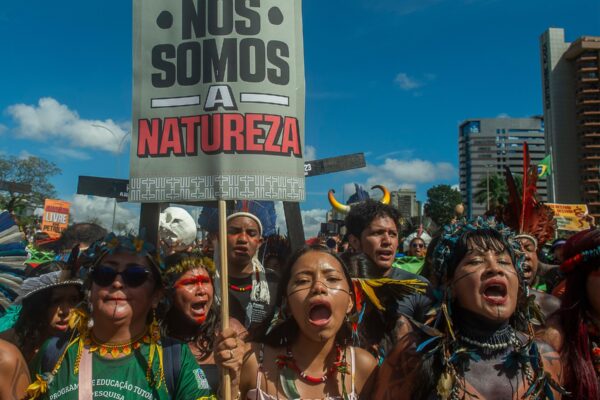
For the 13th year running, Anti-Chevron Day brought frontline leaders from across the globe to the shadow of Chevron’s Richmond refinery, where communities gathered with anger, grief, music, ceremony, and determination to confront one of the world’s most destructive oil companies.
The gathering came just weeks after the historic First Conference on Transitioning Away from Fossil Fuels in Santa Marta, Colombia, where Indigenous leaders and governments demanded an urgent and just transition away from the fossil fuel economy that continues to poison the territories and devastate the health of frontline communities worldwide. In Richmond, that demand felt immediate and deeply personal. It is being shaped by the people most directly harmed by extraction and pollution, and by movements building solidarity across borders.
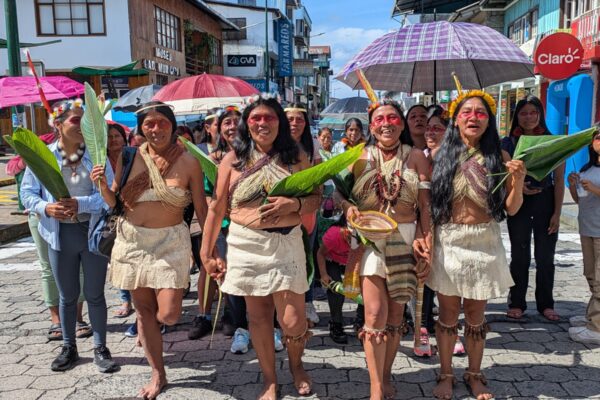
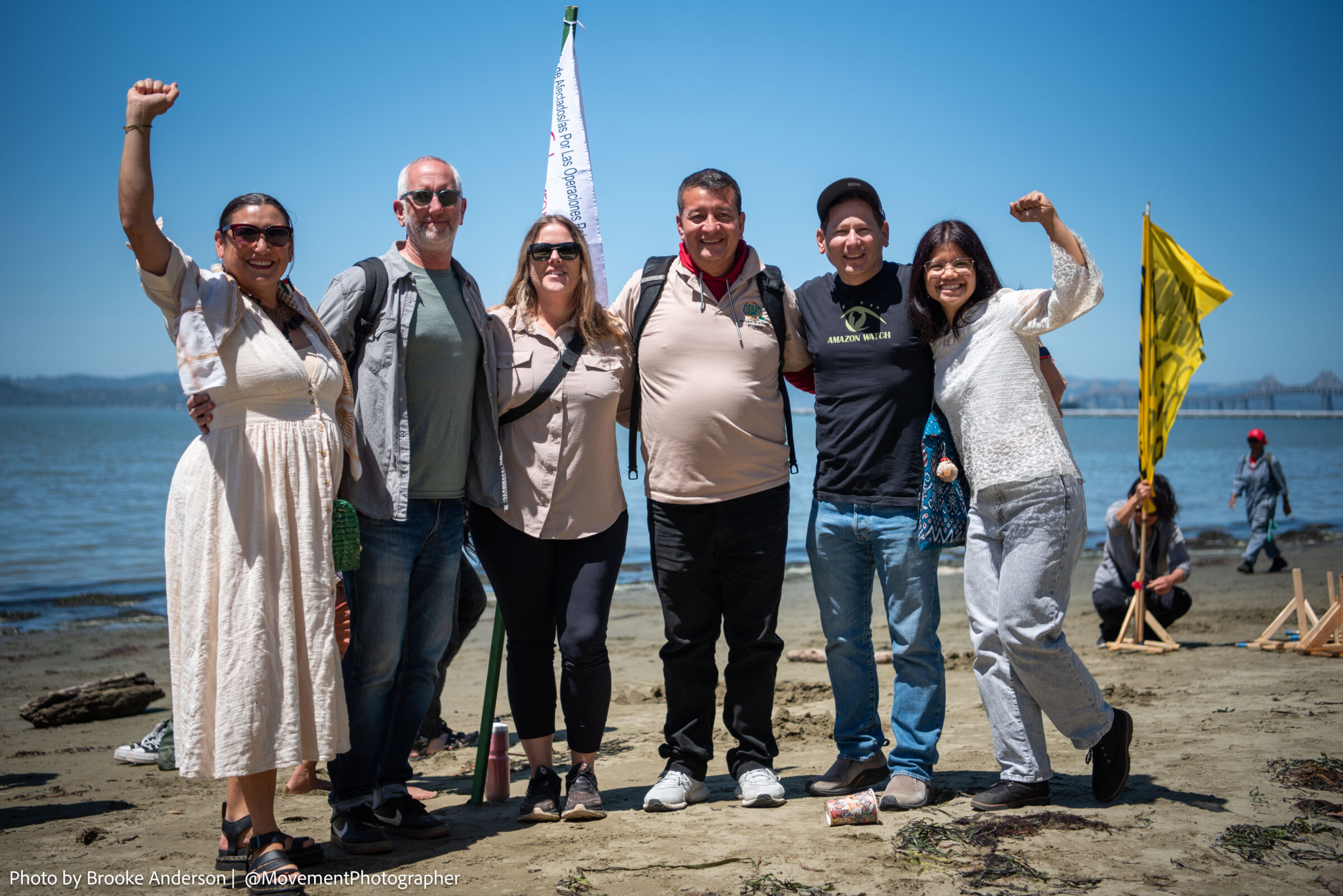
Participants traveled to Richmond from communities Chevron and the fossil fuel industry have harmed across the Ecuadorian Amazon, Palestine, Burma, Canada, and Texas. In fact, Chevron owes more than $50 billion to communities it has harmed across the globe. Speakers described poisoned rivers, refinery explosions, militarization, forced displacement, environmental racism, and decades of corporate impunity. In the same breath, they also spoke about survival, resistance, and the responsibility to build a future beyond fossil fuels. Oil and Gas Action Network was a key organizer of the events with multiple sponsorships from local and national environmental justice organizations.
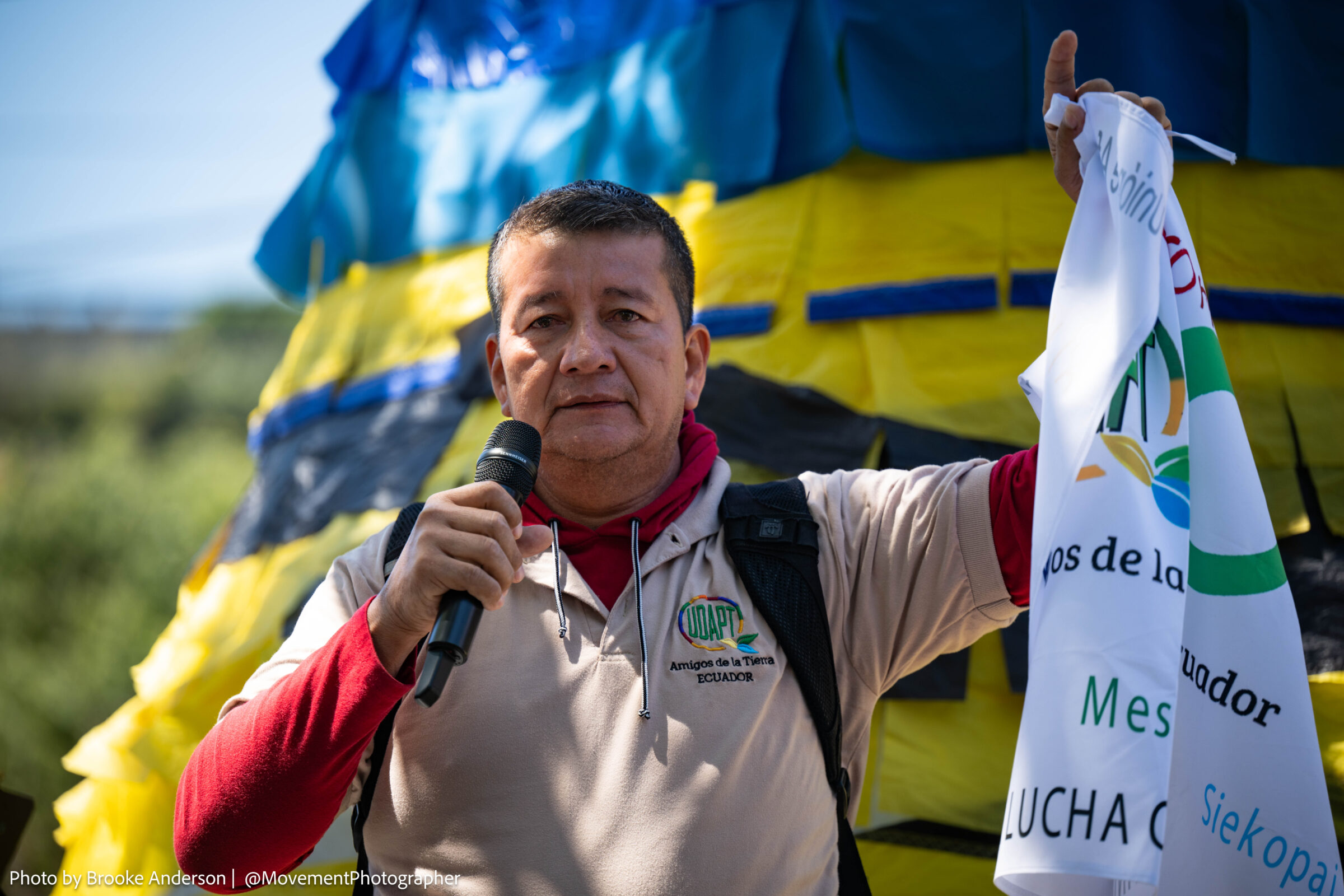
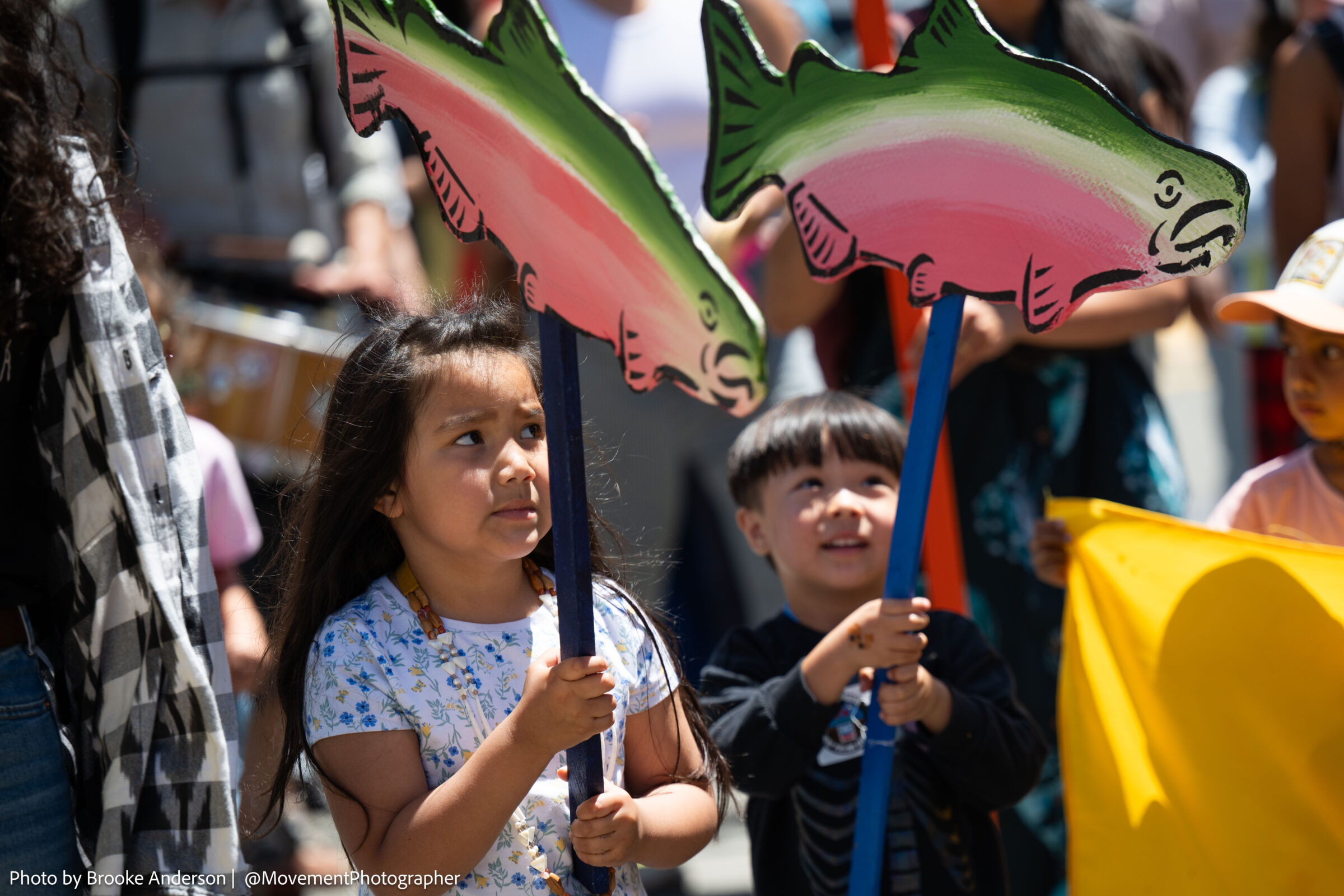
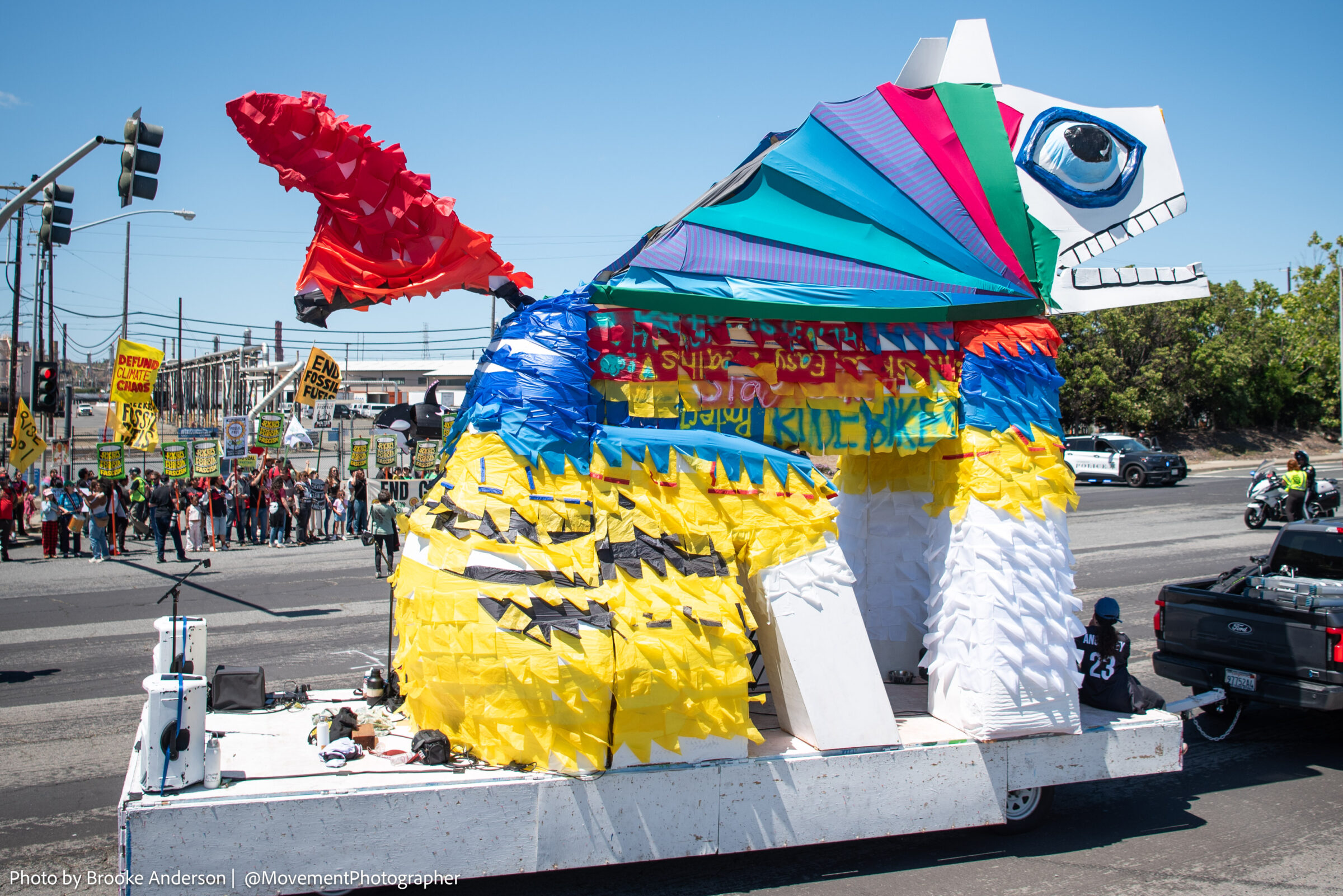
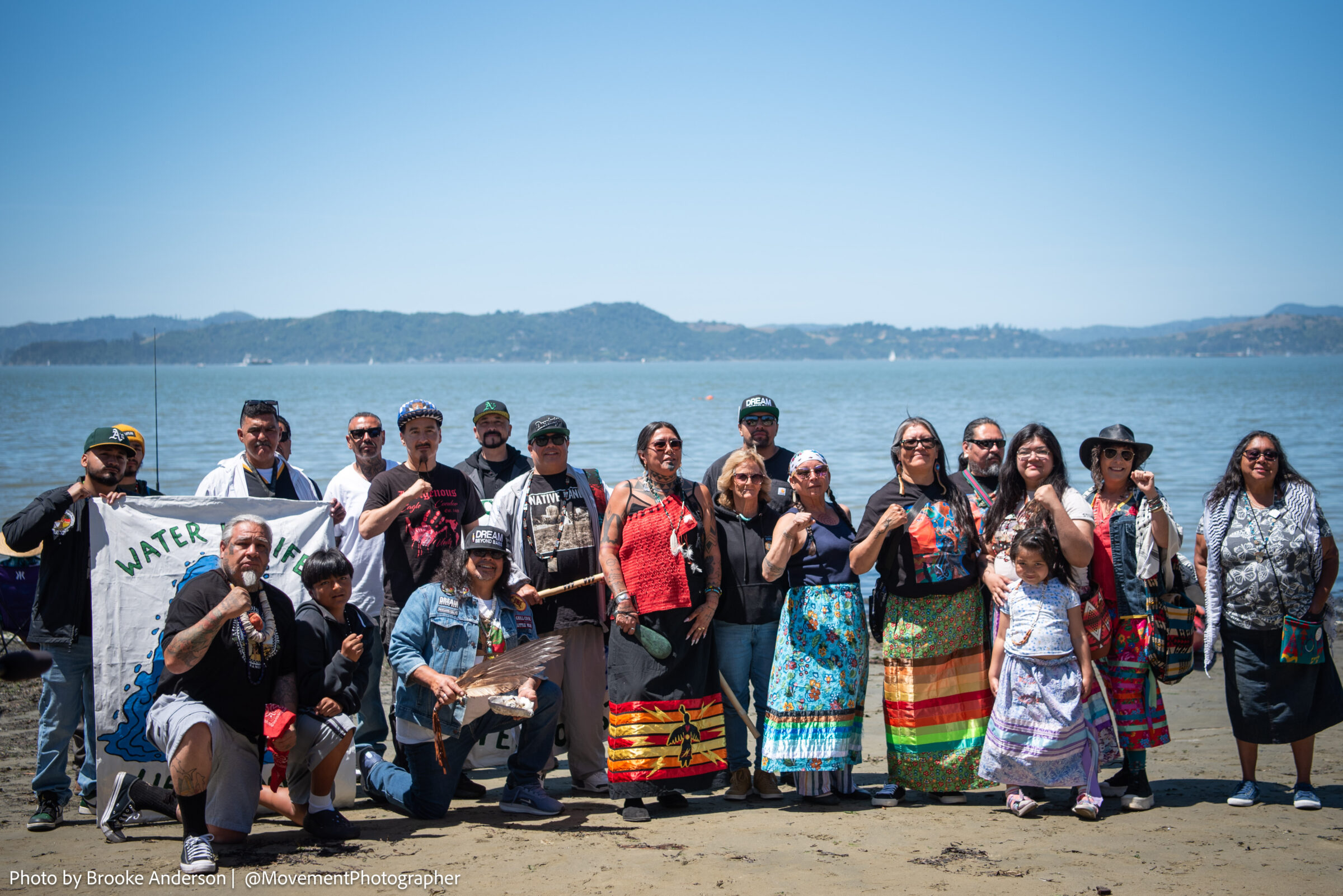
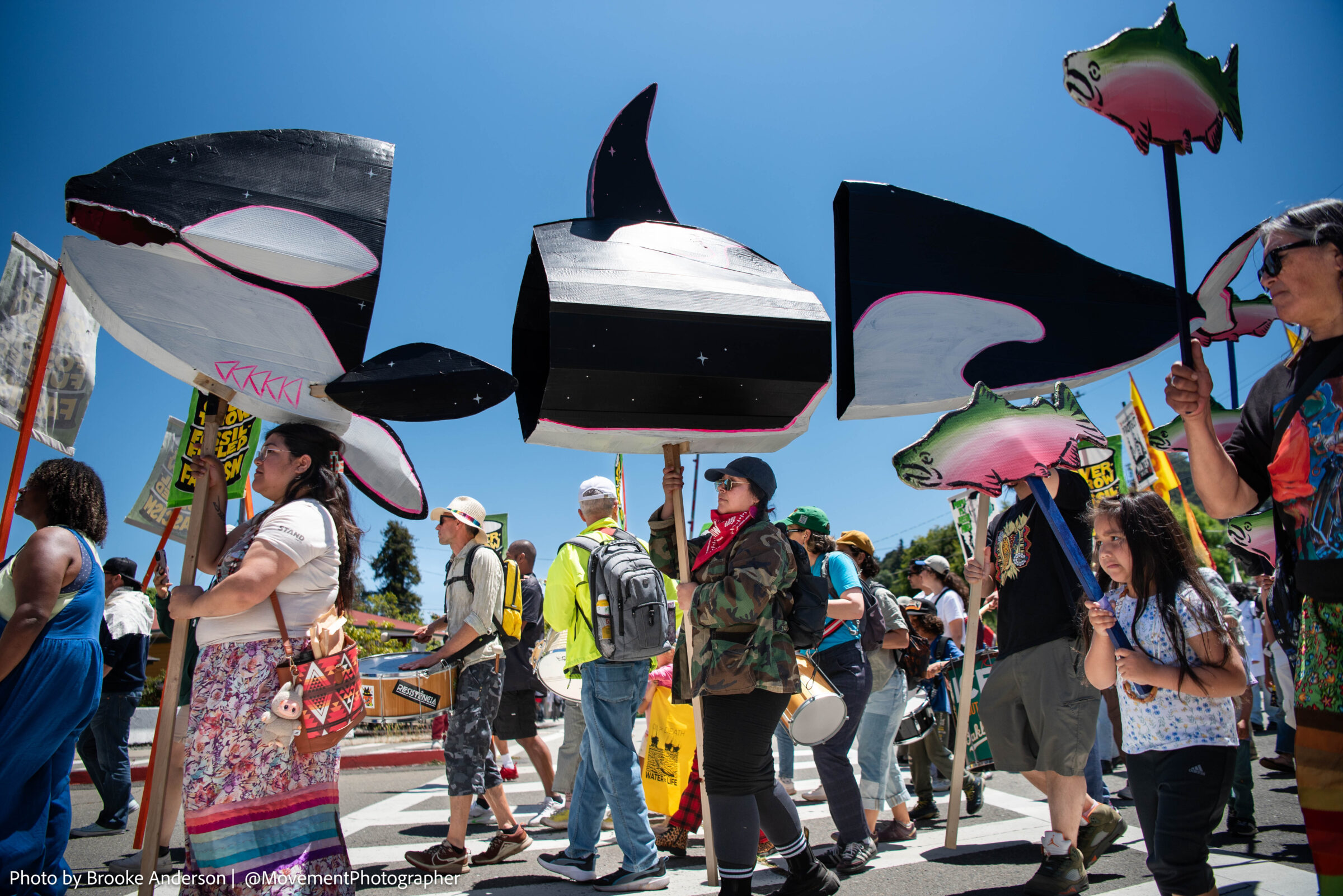
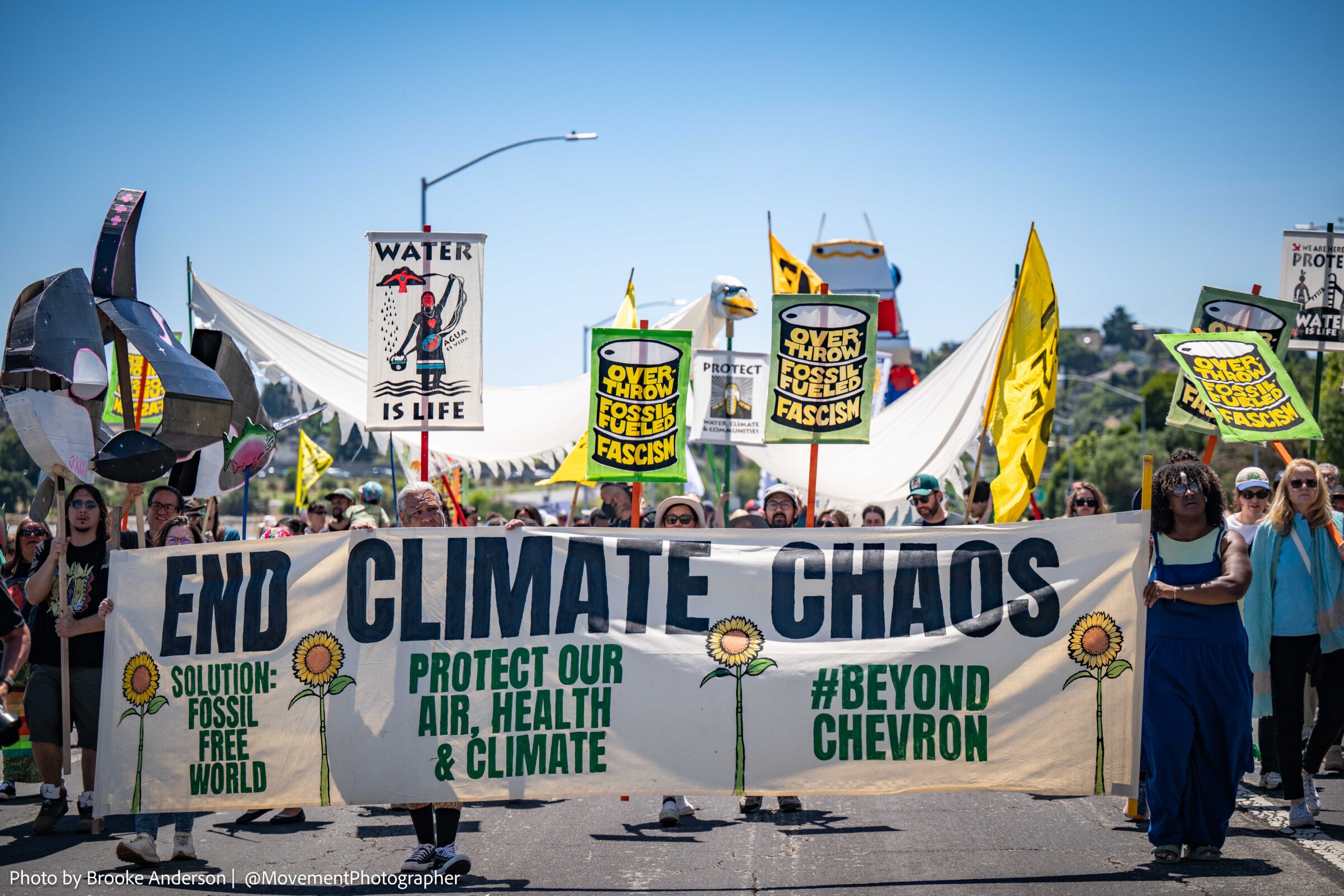
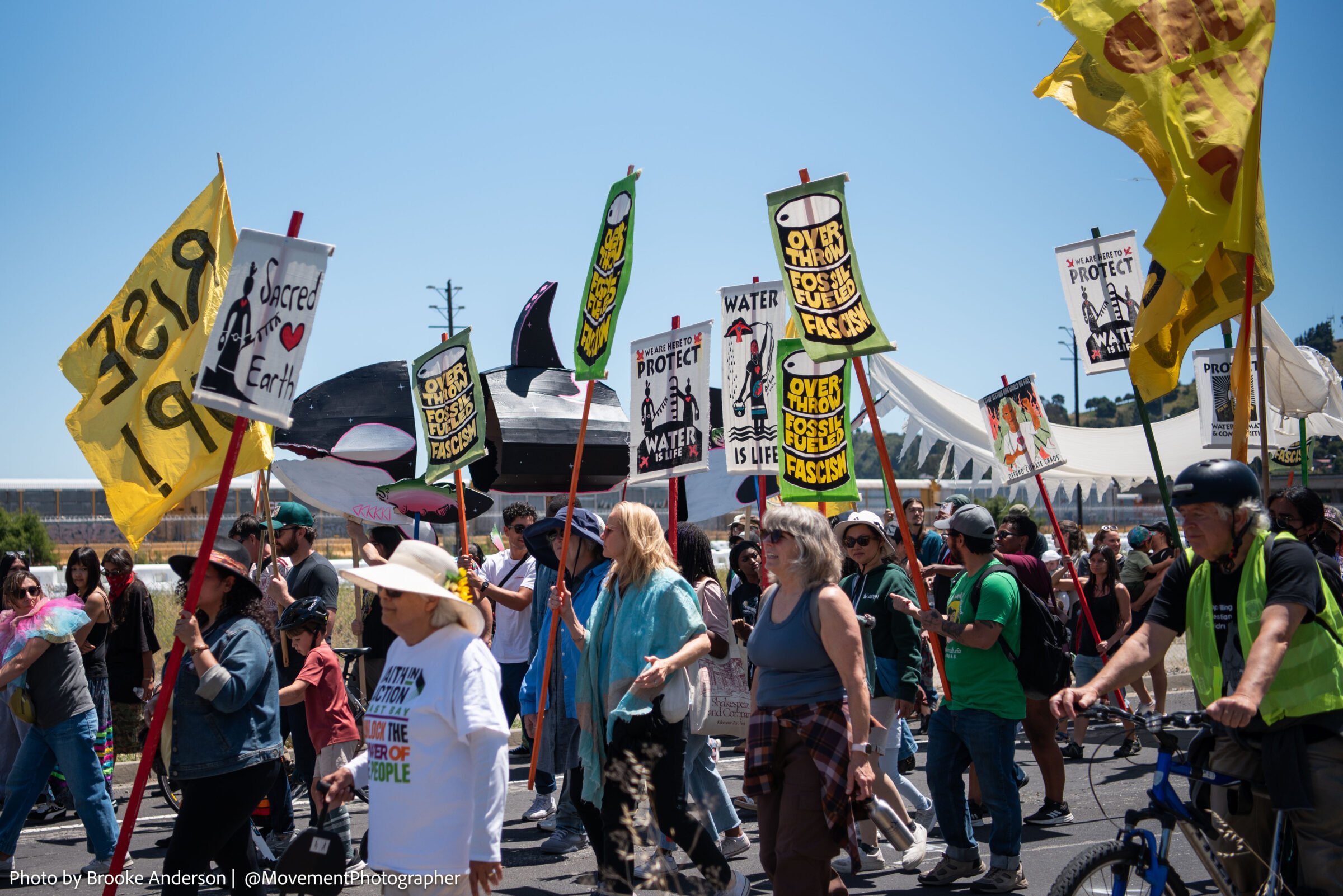
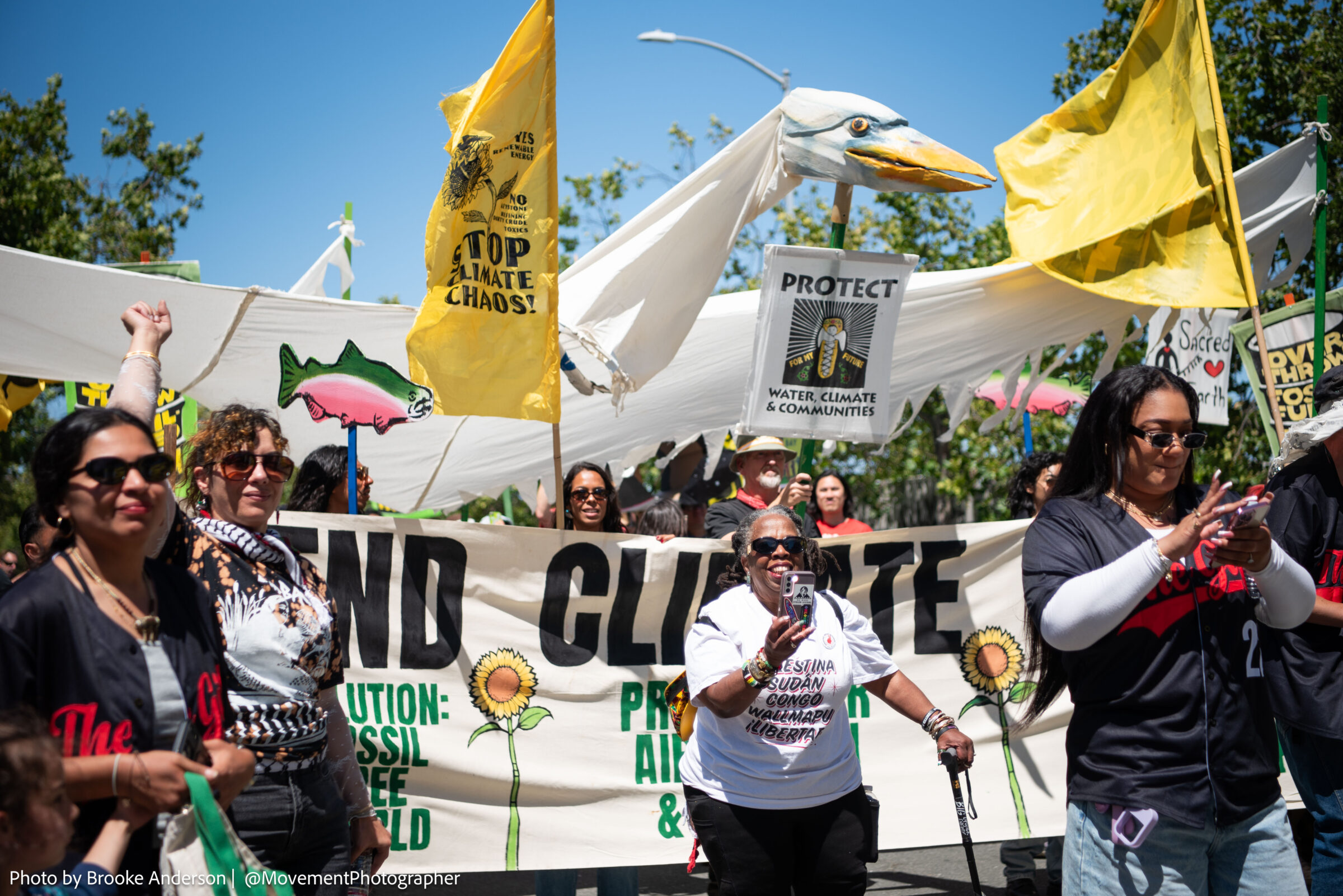
The festival opened with an Indigenous ceremony at Keller Beach, within sight of Chevron oil tankers moving through the Bay. Participants then marched toward the refinery gates carrying banners, drums, artwork, and a massive community built monument titled The Gift of Pride and Purpose. Mounted on a float that also served as a performance stage, the monument carried the pain and defiance of communities that Chevron has treated as sacrifice zones for generations.
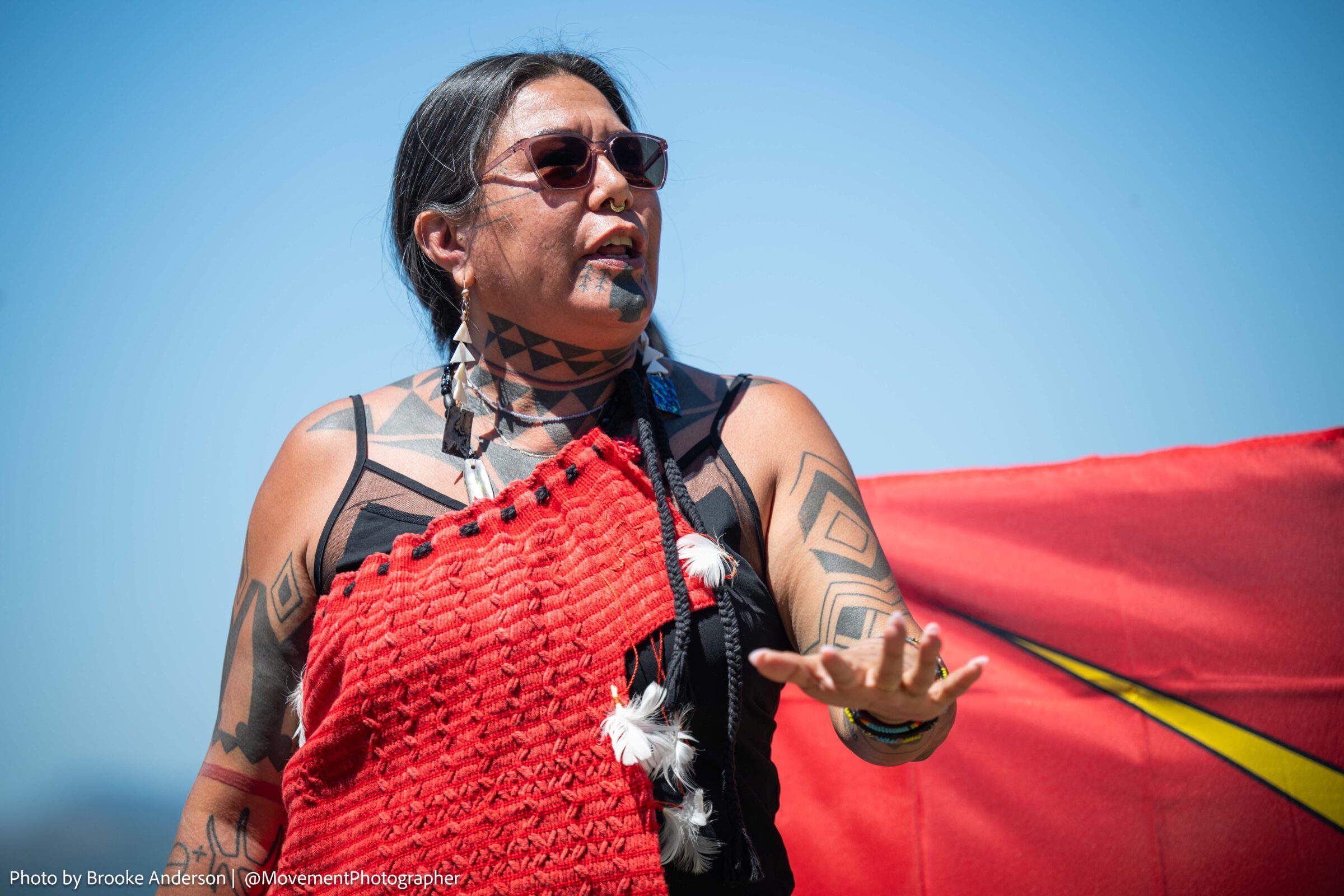
Among the international leaders present was Secwepemc land defender Kanahus Manuel, who has long resisted tar sands expansion and pipeline projects threatening Indigenous territories in so called Canada.
“Anti-Chevron Day was a powerful confluence of people who care about the land, the water, Indigenous peoples, and impacted communities, from the Alberta tar sands and Fort McMurray to the Richmond refineries, all connected in the fight against Big Oil. This five-day gathering culminated in a beautiful act of resistance at the gates of Chevron, where art, community, and the power of so many people and organizations coming together showed the force we have when we unite against the same enemy.”
Kanahus Manuel
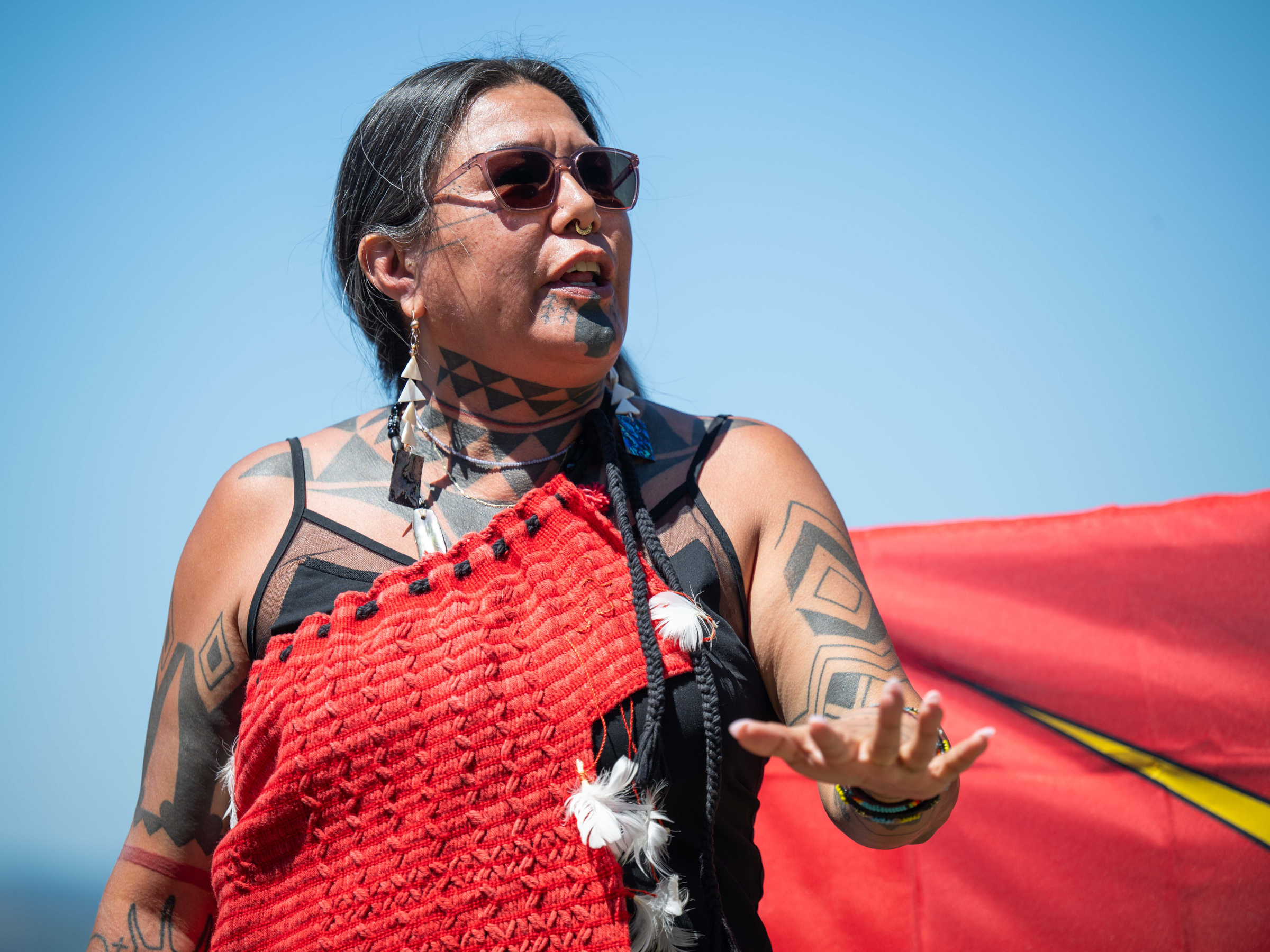
Also returning to Richmond for a second consecutive year was long-time Amazon Watch friend and ally, Donald Moncayo, President of Union of People Affected by Chevron-Texaco (UDAPT) and one of the original creators of Anti-Chevron Day in 2014.
Chevron’s history of impunity
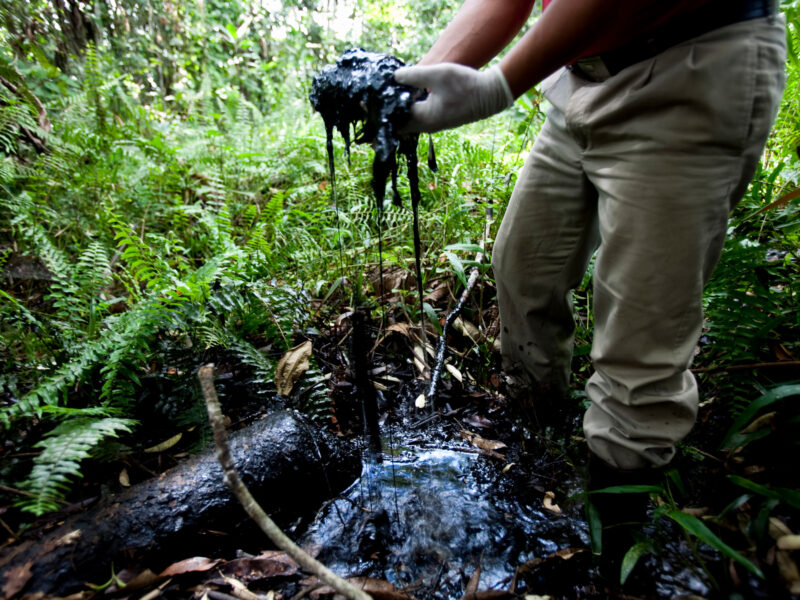
For decades, Chevron has refused to comply with a historic $9.5 billion judgment won by affected communities in Ecuador for the deliberate dumping of billions of gallons of toxic oil waste into the Amazon. The contamination left behind more than 1,000 open air toxic waste pits, contaminated rivers and groundwater, and an ongoing public health disaster that communities still endure to this day. Instead of paying, Chevron has pursued aggressive legal attacks against Indigenous communities, lawyers, and human rights defenders, evading accountability at every turn.
“Chevron may continue hiding behind lawyers and corporate excuses, but affected communities will never stop demanding justice. We are fighting not only for compensation, but for dignity, health, clean water, and the survival of our peoples and cultures!”
Donald Moncayo
Chevron’s latest perversion of justice came through the undemocratic Investor State Dispute Settlement system, which ruled that Ecuador owes Chevron compensation for failing to shield the company from the very communities whose drinking water Chevron admitted poisoning for decades through the deliberate dumping of toxic waste. Ecuador’s president now appears poised to hand Chevron $220 million in taxpayer money, while the affected communities are demanding courts seize those assets to partially satisfy Chevron’s outstanding $9.5 billion debt, affirmed by both Ecuador’s Supreme Court and Constitutional Court.
In Richmond, Chevron was forced to pay a $550 million settlement after the company’s negligence caused the massive 2012 refinery fire that sent more than 15,000 residents to hospitals struggling to breathe. Local community members and organizations are working to ensure those funds will be used to help the transition off fossil fuels for those who have been impacted most.
This year’s Anti-Chevron Day also unfolded on the eve of Chevron’s annual shareholder meeting, where management faces growing scrutiny over the company’s human rights record and treatment of Indigenous Peoples. Two shareholder resolutions call on Chevron to report on its implementation of Indigenous rights protections and to commission an independent assessment of its human rights due diligence processes.
The Indigenous rights resolution specifically cites Chevron’s operations in Ecuador, the company’s role in sourcing Amazon crude from Indigenous territories, and the risks posed by Ecuador’s planned expansion of oil drilling into Indigenous lands.
Public outrage against Chevron continues to grow globally. Organizers highlighted the growing Boycott Chevron campaign, which denounces Chevron’s support for Israel’s fossil gas infrastructure amid mounting allegations of human rights abuses and violations of international law.
Growing global resistance
For thirteen years, Anti-Chevron Day has evolved into a global act of resistance against extraction, environmental racism, and corporate violence. What began as a protest has become a place where frontline peoples share strategies, defend one another, mourn what has been lost, and strengthen the movements fighting for a world beyond fossil fuels.
Frontline communities are not only denouncing Chevron’s destruction. They are building relationships and movements capable of delivering the fossil free future the world urgently needs. Amazon Watch will continue standing with affected communities in Richmond, the Ecuadorian Amazon, and everywhere Chevron operates until every polluted site is cleaned up, every affected community receives justice, and Chevron is finally held accountable for the devastation it has caused.