Indigenous rights, not mining rights
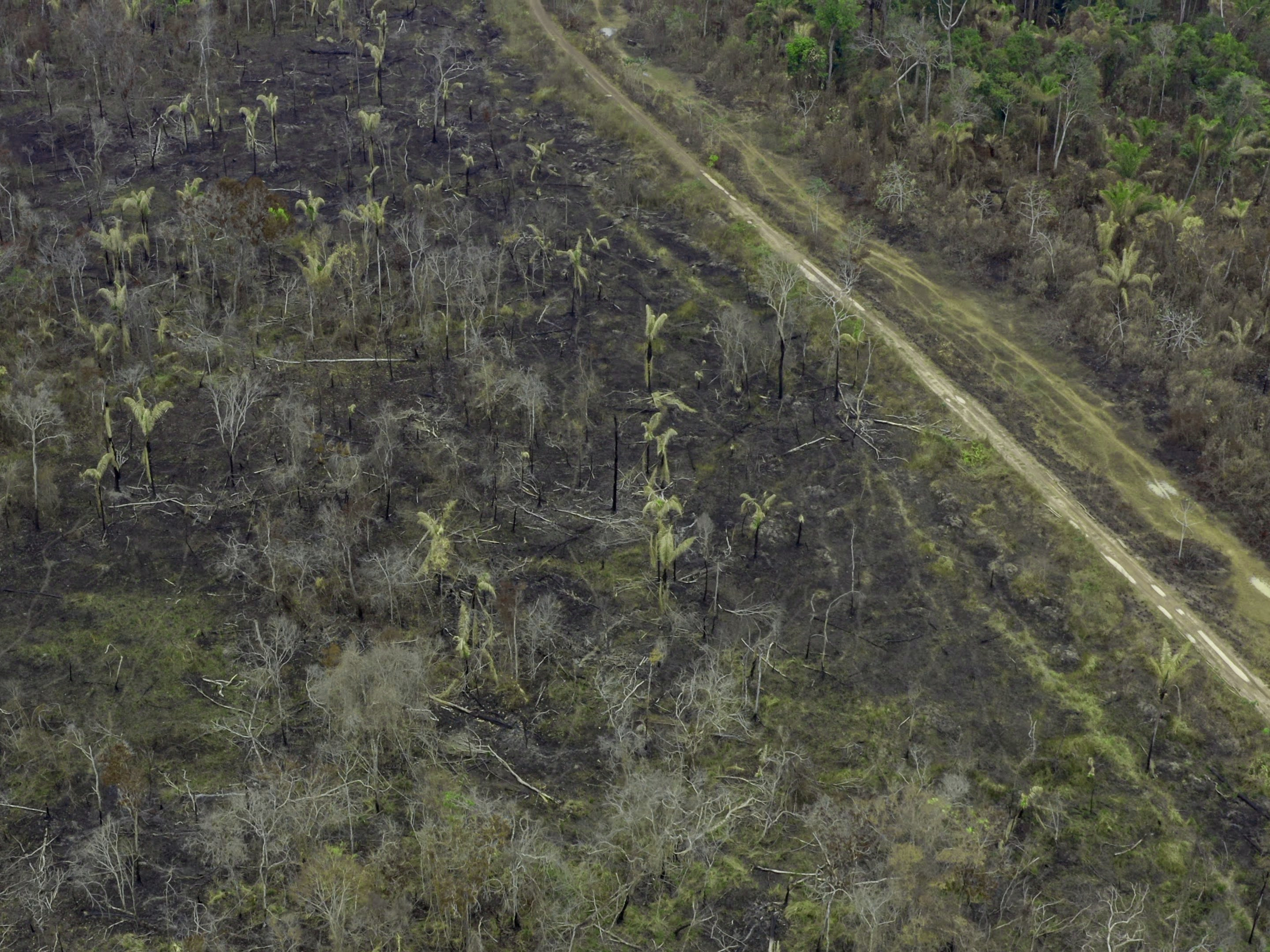
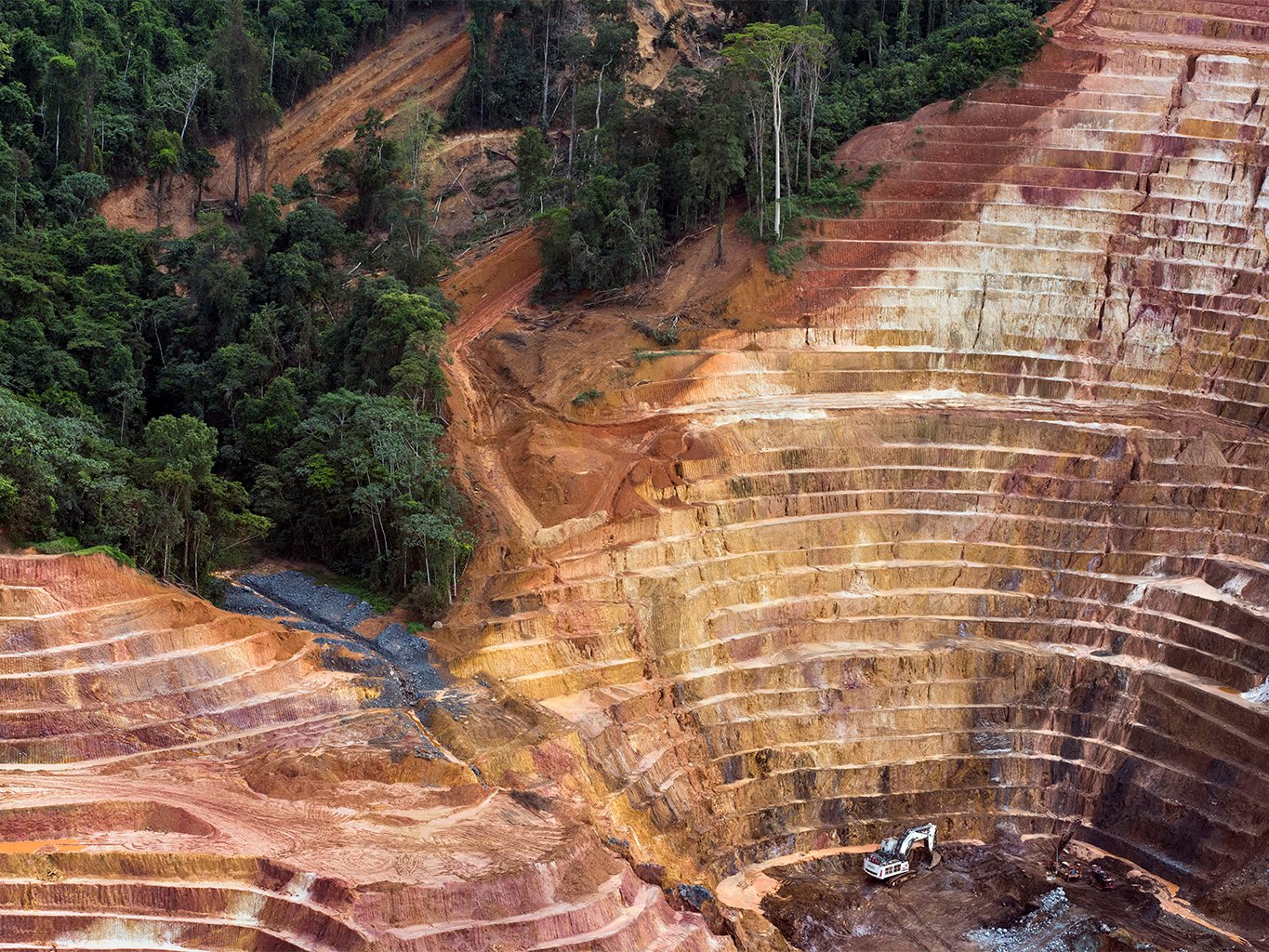
The Amazon rainforest sits atop vast reserves of critical minerals – from copper to rare earth elements – drawing intense interest from the global mining industry. Yet, mining is a deadly threat to the forest and its Indigenous peoples, contaminating water sources, driving deforestation, and fueling human rights abuses. This crisis is escalating, driven by the global transition to “green” energy technologies and soaring gold prices.
Amazon Watch stands with Indigenous peoples calling for the Amazon to be a no-go zone for mining. We combine grassroots support for Indigenous resistance with high-level advocacy targeting corporate, financial, and political actors around the world. These efforts aim to break the grip of extractivism that endangers the Amazon and build a future grounded in Indigenous rights and climate justice.
Campaign goals
- Large-scale mining projects and illegal gold mining are halted on Indigenous territories
- Investors and banks are pressured to stop funding destructive mining projects
- Companies and governments are held accountable for human rights abuses and environmental harm
Recent highlights
- Challenging Belo Sun’s mega-mine in Brazil: With local communities, working to halt Canadian company Belo Sun’s plans to build one of Brazil’s largest open-pit gold mines in the Volta Grande do Xingu, a region already devastated by the Belo Monte dam and critical to both biodiversity and Indigenous survival.
- Stopping open-pit mining in Mocoa, Colombia: Supporting Indigenous and urban communities in Putumayo working to halt plans for open-pit copper mining in the upper Mocoa River basin, which threaten to destabilize a vulnerable ecosystem that includes protected forest reserve land and overlaps multiple Indigenous territories.
- Confronting Solaris Resources in Ecuador: Working alongside Indigenous Shuar Arutam communities to challenge Canadian mining company Solaris Resources, whose operations threaten ancestral territories and fragile ecosystems in the Cordillera del Cóndor region, while pressuring financiers to divest and respect Indigenous opposition.

Latest campaign news and updates
Indigenous Peoples Block Access to Santarém Airport in Protest of Tapajós River Dredging
Indigenous Peoples from the Tapajós region blocked the main access road to Santarém International Airport today, escalating a mobilization ongoing since January 22.
Indigenous Protest Enters Second Week as Brazil Faces Pressure Over Amazon Waterway Decree
Munduruku leaders join growing Indigenous blockade against Amazon River dredging and privatization
On the 13th day blockading Cargill’s grain terminal in Santarém, Indigenous protestors are demanding in-person dialogue with Brazil's federal government, following its failure to send representatives to a meeting last week.
Amazonian Indigenous Blockade of Key Cargill Terminal Reaches One Week
For the past week, Indigenous peoples representing 14 ethnicities from the Lower and Middle Tapajós River region have blockaded facilities operated by agribusiness multinational Cargill in Santarém, protesting industrial interventions designed to accelerate agro-commodity exports.
What Brazil’s New Legal Landscape Means for the Amazon and Its Peoples
Despite clear warnings from research institutions, Brazil is moving closer to licensing a mega-project based on incomplete and flawed environmental studies.
2026: A Year of Decision for the Amazon
The Amazon has reached an ecological tipping point. What happens in 2026 will help determine whether climate justice remains possible or becomes an empty slogan.
Indigenous Leadership and Collective Power in 2025
As climate denial gained renewed political traction and governments moved to restrict civic space, Indigenous peoples and grassroots movements across the Amazon advanced bold, collective visions for the future.
Amazonian Indigenous Peoples Void Belo Sun’s Consultation, Threatening Mega-mine’s Approval
Juruna and Arara peoples formally revoke consultations used by Canadian company to justify licensing of its Volta Grande gold mine in Brazil’s Xingu region
“Prior consultation is a binding requirement established by the Federal Regional Court and an indispensable condition for the environmental licensing process to move forward.“
From Self-Government to Climate Leadership: The Wampis Nation’s Story
“For us, the Wampis, autonomy means living in freedom and peace as we have inherited our territory. It means being free from pollution and deciding our own future, for ourselves, but also for all of humanity”.
Brazil’s Senate Rams Through Constitutional Amendment Imperiling Indigenous Lands and Communities
Mining companies stand to benefit as Indigenous organizations warn of impending human rights and environmental disaster
Brazil’s largest Indigenous organizations warn that the amendment dismantles the country’s constitutional framework for territorial protection.