
Altamira, Brazil – Indigenous Juruna (Yudjá) and Arara associations from the Volta Grande do Xingu have formally annulled the so called “consultation” that the Canadian mining company Belo Sun claims to have conducted as part of the environmental licensing process for its Volta Grande Project in the heart of the Brazilian Amazon.
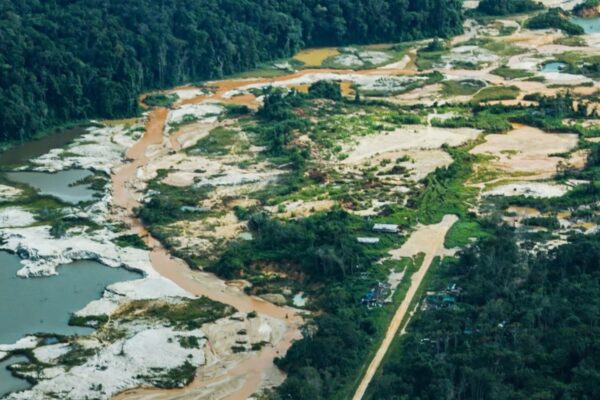
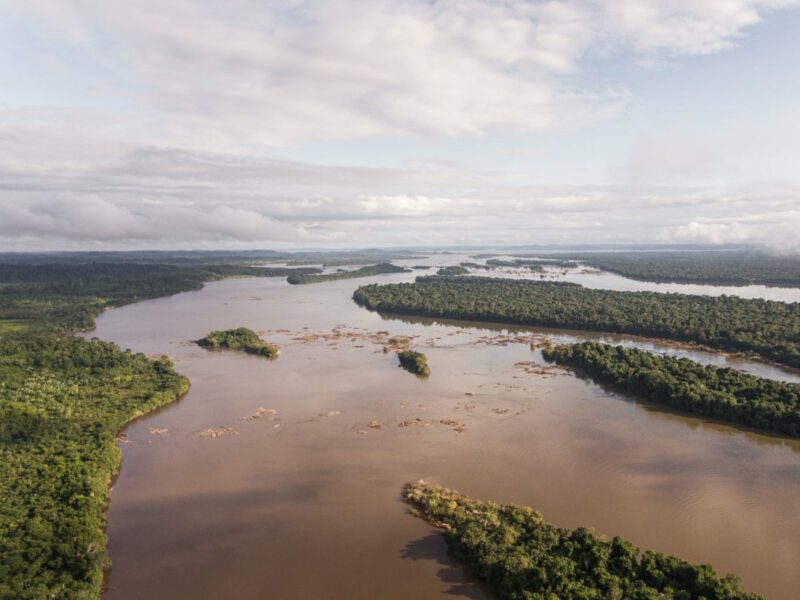
Last week, as Indigenous groups threatened by Belo Sun’s plans occupied the regional office of the federal agency FUNAI in protest of the project, an assembly of Indigenous groups from the region issued a resolution ordering the immediate suspension of engagement with the company. Belo Sun seeks to carve what would be Latin America’s largest open pit gold mine into the banks of the Xingu river in the Amazonian state of Pará.
In the document, Indigenous leaders state that the consultation presented by the company is invalid and that “no [legal or procedural] effect or follow-up may be recognized” until the process is reassessed in accordance with the Indigenous peoples’ own decision-making protocols.
The Juruna and Arara associations clarify that the process carried out in 2020 dealt exclusively with the Indigenous Component Study, known as the ECI, and did not constitute consultation on the implementation of the mining project itself, nor did it imply any form of consent.
“The Juruna and Arara peoples state that they were not consulted about the installation of Belo Sun and therefore did not issue any opinion or decision regarding the project,” the document filed with the Federal Court records.
Legal implications for the project
According to legal experts, the decision has direct consequences for the project’s legal viability.
“Prior consultation is a binding requirement established by the Federal Regional Court of the 1st Region (TRF-1) and an indispensable condition for the environmental licensing process to move forward,“ said Ana Alfinito, legal advisor at Amazon Watch. “Belo Sun had relied on the 2020 process to claim that consultation had already been completed, even though not all affected Indigenous peoples were consulted. With the formal withdrawal of recognition by the Juruna and Arara, that consultation no longer exists. The process would have to start again, which represents a major obstacle to licensing.”
Following the Indigenous peoples’ formal position, Brazil’s Federal Public Prosecutor’s Office requested the rejection of Belo Sun’s attempt to validate its Installation License. Prosecutors argued that the requirements set by the Federal Court had not been met.
The Public Prosecutor’s Office emphasized that the Indigenous Component Study submitted by the company is insufficient, that the consultation was not conducted by the state as required under International Labour Organization Convention 169, and that it cannot be considered informed while key uncertainties remain regarding the operating regime of the Belo Monte hydroelectric dam.
“Belo Sun failed to comply with the court ruling that required Indigenous Component Studies based on primary data and the realization of Free, Prior and Informed Consultation,” the Prosecutor’s Office stated, stressing the need to assess cumulative and synergistic impacts related to the Belo Monte project.
Indigenous women mobilize
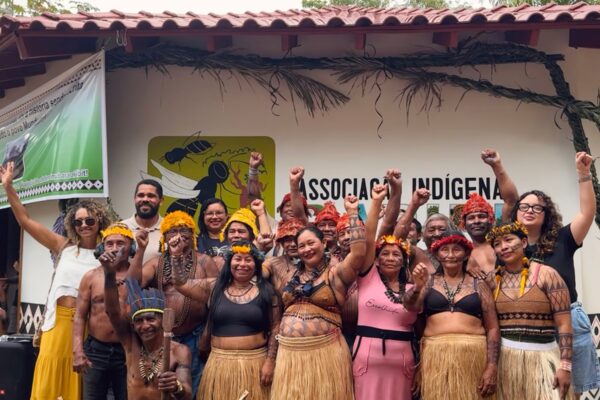
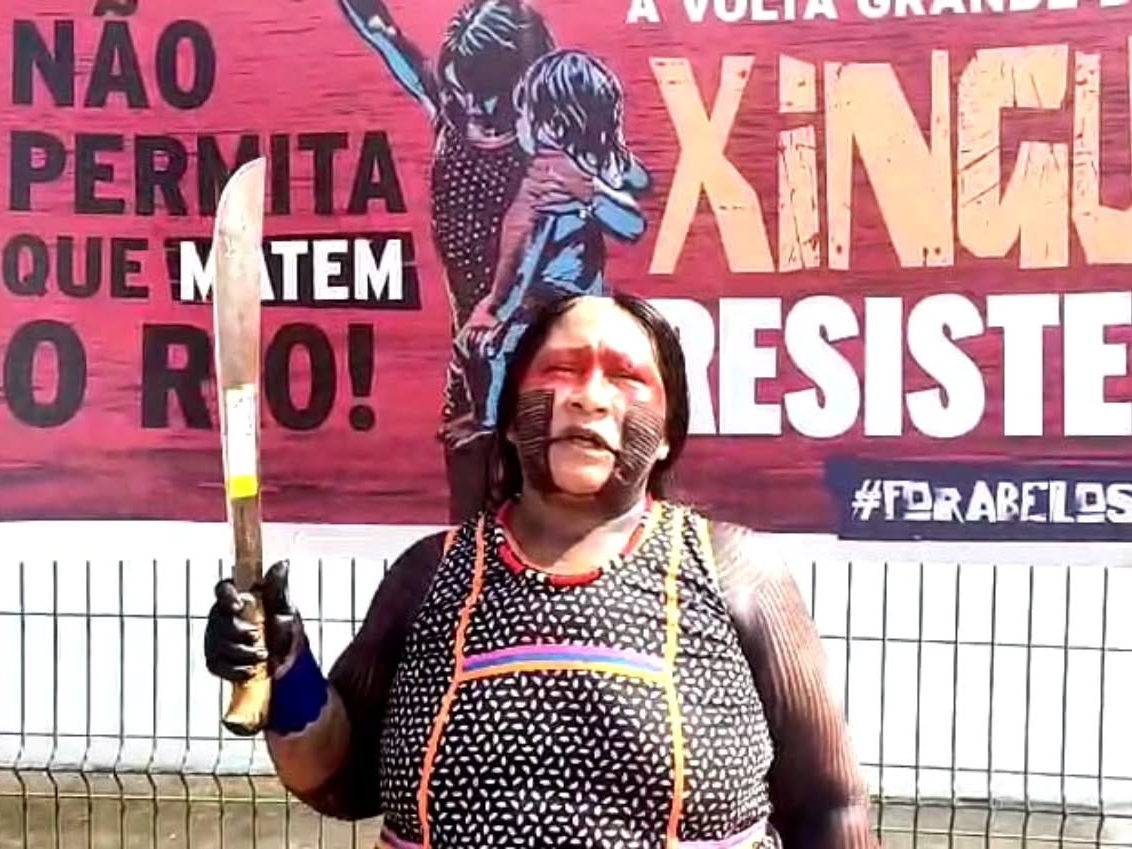
The annulment of Belo Sun’s consultation coincided with a major mobilization led by Indigenous women from the Middle Xingu region. For eight days, they occupied the regional office of Brazil’s Indigenous affairs agency, FUNAI, in the city of Altamira.
One of the central demands of the protest was opposition to the mining project. Members of the Xikrin people, who were not included in the company’s consultation process, demanded recognition of their right to be consulted.
As part of the mobilization, Indigenous women also sent a letter to the Canadian Embassy in Brazil calling on the Canadian government to investigate Belo Sun’s activities. In the letter, they warn that the project threatens their territories, food security, and ways of life, and urge Canada to stop supporting a company that acts against Indigenous peoples and the forest.
History of licensing failures and project risks
Independent analyses, including Belo Sun: A Risky Business published by Amazon Watch in 2022 and Minando Direitos (Mining Rights Under Threat) released by Brazil’s Ministry of Indigenous Peoples (MPI) during COP30, document persistent failures in Belo Sun’s licensing process.
These reports conclude that Indigenous communities in the Volta Grande do Xingu were never consulted in a free, prior, and informed manner, as required by Brazilian law and international standards. They also find that the licensing process failed to adequately assess cumulative and synergistic impacts linked to the Belo Monte dam, including the collapse of fisheries, drastic reductions in river flow, and widespread food insecurity affecting Indigenous and riverine communities.
The same studies warn of significant risks associated with the project’s proposed tailings dam and waste reservoirs, which could catastrophically impact the Paquiçamba and Arara da Volta Grande Indigenous Territories, both officially recognized since the 1980s, as well as surrounding traditional communities and rural settlements.