Amazon Watch

Mining Out of the Amazon

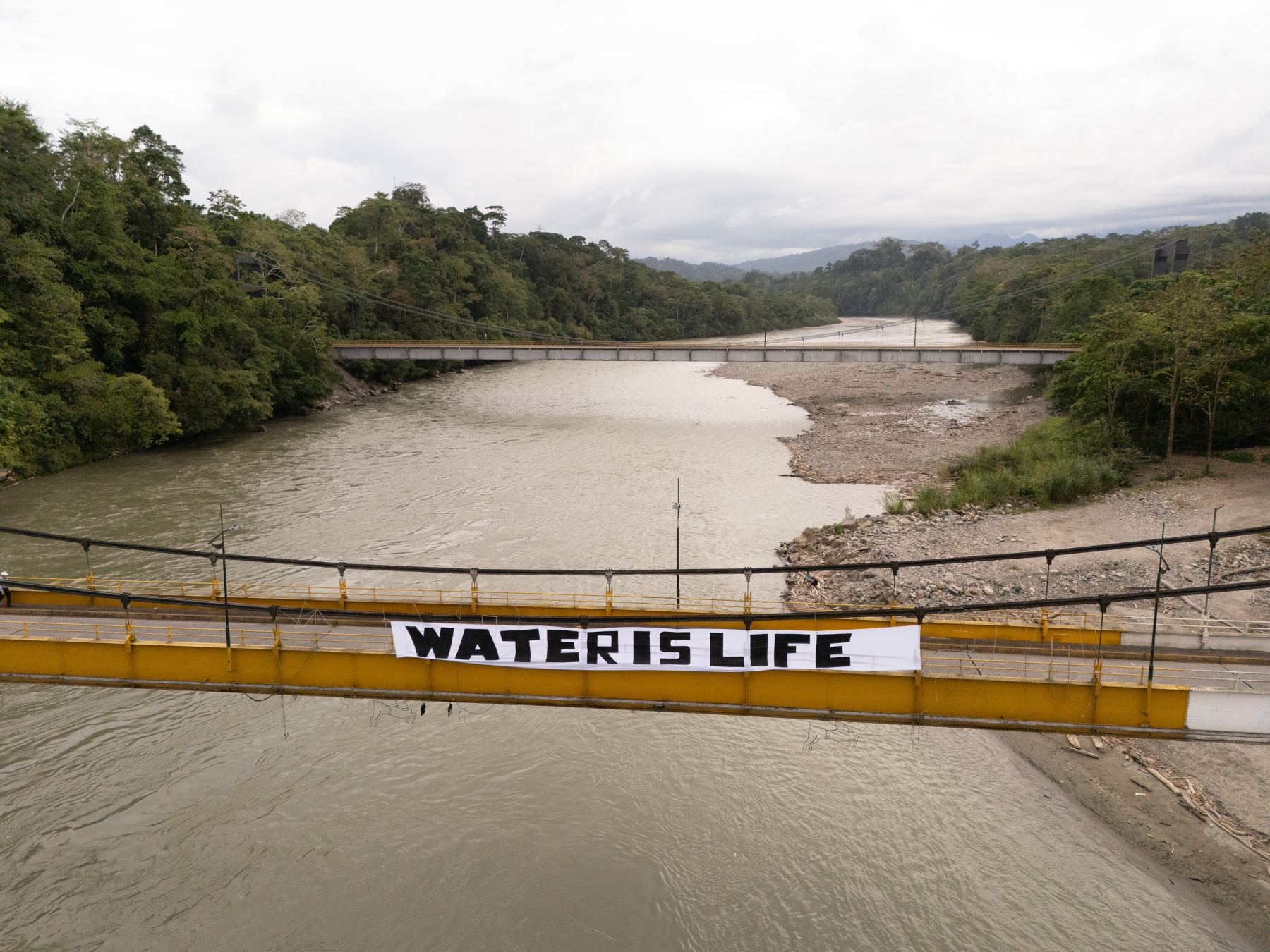
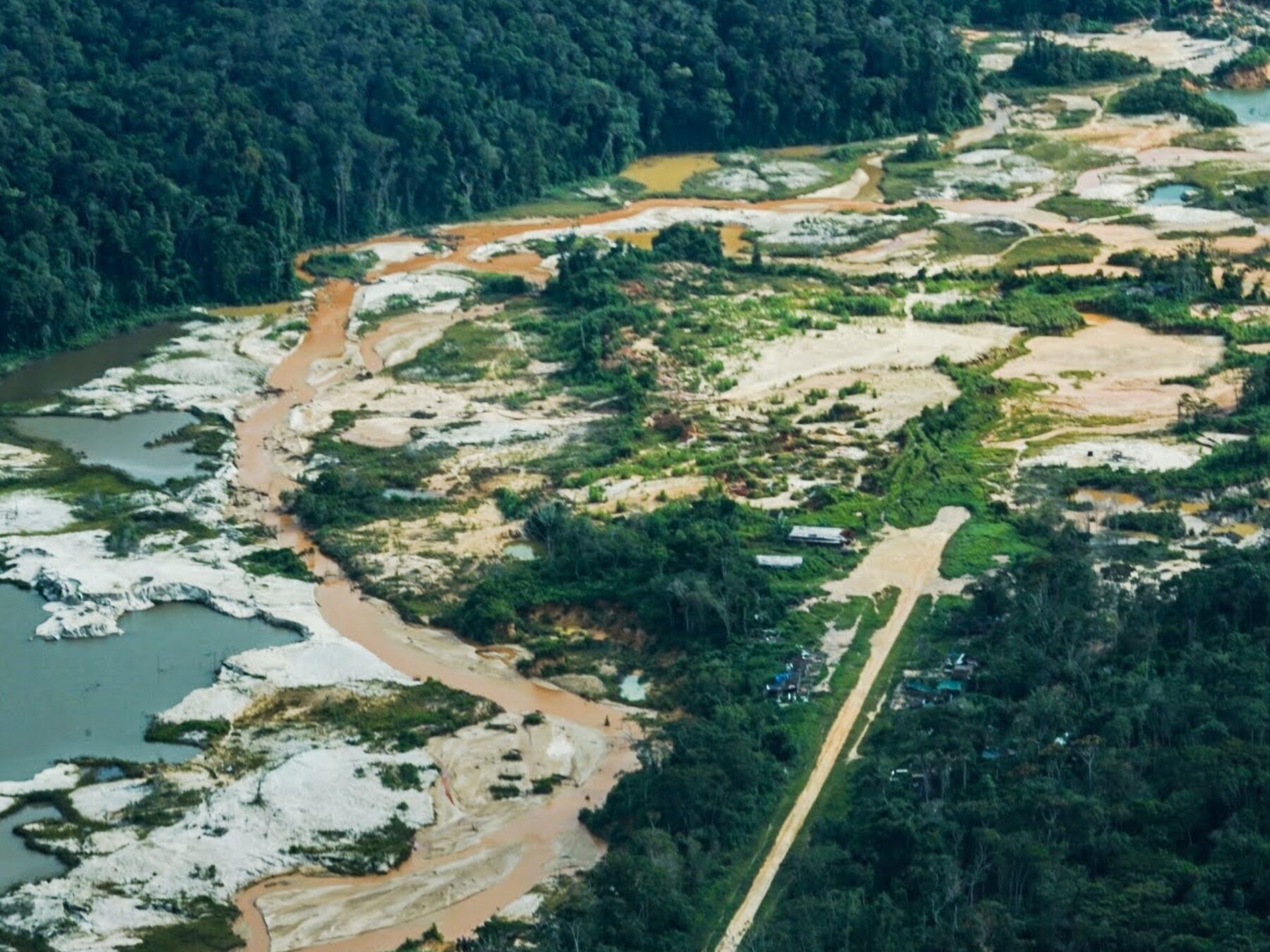
Mining in the Amazon has terrible effects on the livelihoods and health of Indigenous peoples and frontline communities as well as the overall balance of the Amazon’s biological diversity. Yet, mining giants with well-known track records of devastation and rights violations are eyeing Indigenous and traditional communities’ lands and other protected areas in the Amazon.

Despite committing to withdraw from all mining interests in Indigenous lands, multinational companies continue to bulldoze through communities and their territories to complete their mining projects. Banks and asset managers are once again behind this extractive surge by financing these company’s projects.
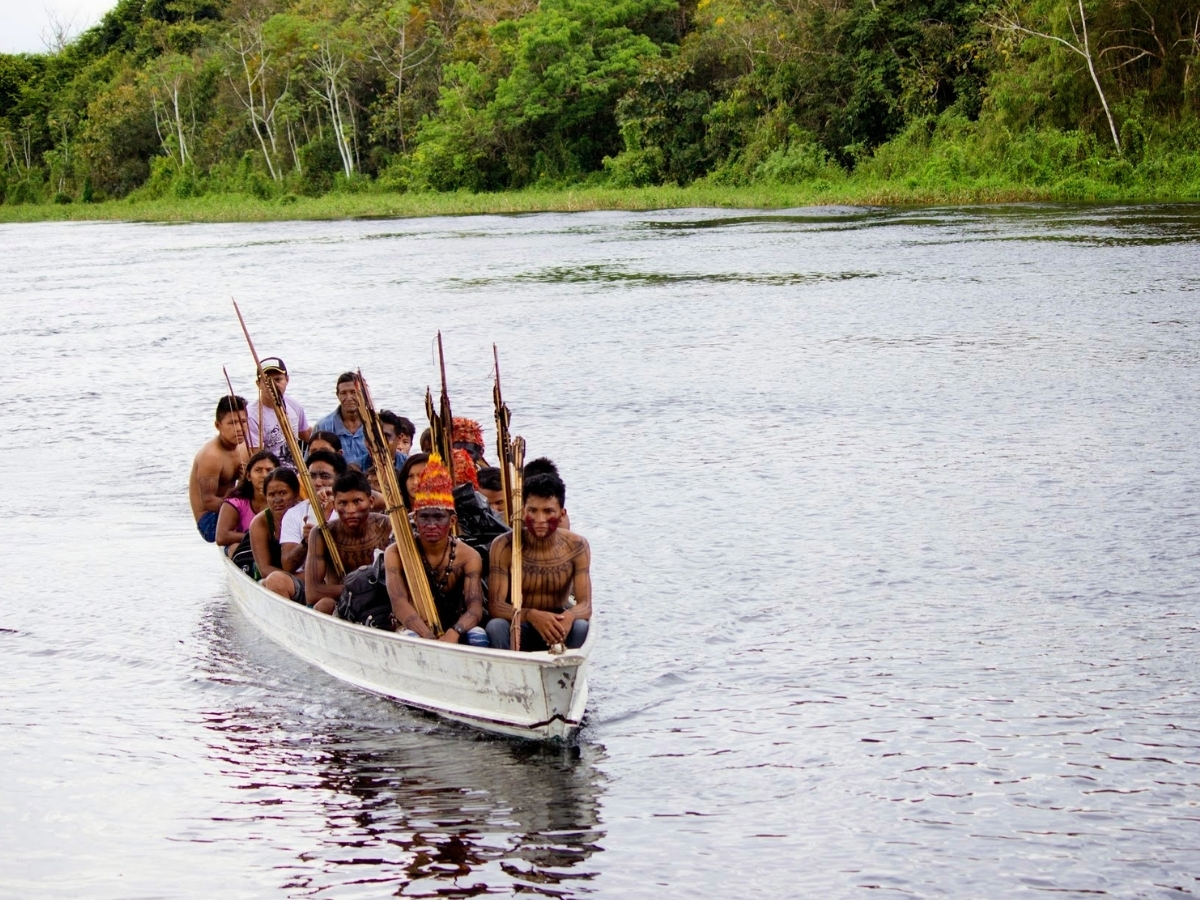
Indigenous Peoples Call on U.N. Action as Organized Crime Expands Across the Amazon

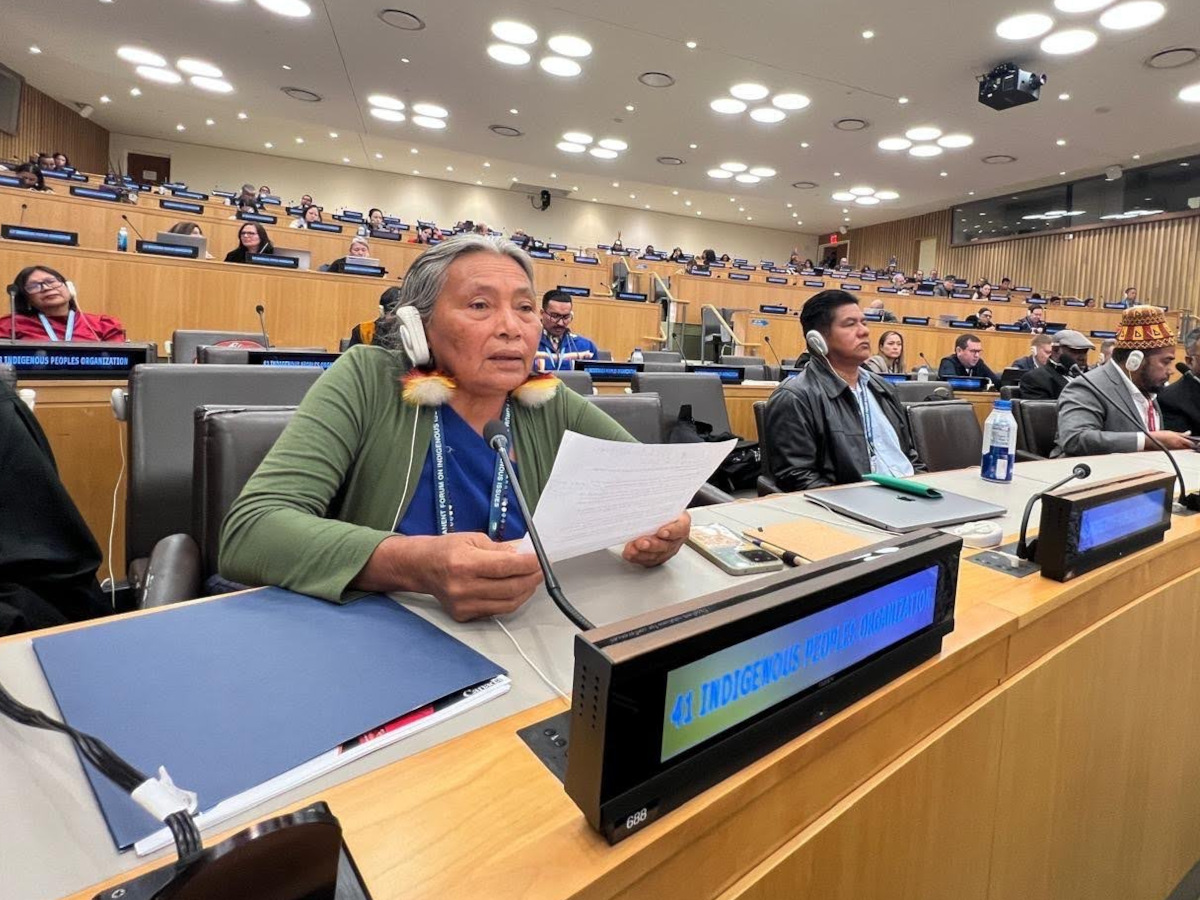
Indigenous leaders who gathered at the U.N. Permanent Forum on Indigenous Issues are demanding a decisive shift away from failed militarized responses toward rights-based approaches that center Indigenous territorial governance, autonomy, and community-led security systems in efforts to confront organized crime. They warn that current state responses are not only insufficient but, in many cases, actively deepen violence and insecurity in their territories.

Indigenous leaders who gathered at the U.N. Permanent Forum on Indigenous Issues are demanding a decisive shift away from failed militarized responses toward rights-based approaches that center Indigenous territorial governance, autonomy, and community-led security systems in efforts to confront organized crime.

A New Gold Rush Threatens the Amazon

Whenever gold returns to the center of global geopolitics, the Amazon comes back into the crosshairs. The war between the United States and Iran has put the metal back on the radar of markets, investors, and the extractive industry.

Amazon Watch and Allied Organizations Release Landmark Report on Amazon Crime

In the context of the United Nations Permanent Forum on Indigenous Issues, Amazon Watch, together with allied organizations, presents the first report to analyze how illicit economies and repressive government responses threaten the rights, territories, and physical and cultural survival of Indigenous peoples.

Indigenous Leaders Bring Amazon Crime Crisis to the UN

As militarized responses fail, Indigenous territorial governance proves vital

An urgent message is traveling from the Amazon to the United Nations. This week, Amazon Watch will accompany a delegation of Indigenous leaders from Peru and Ecuador to New York for the United Nations Permanent Forum on Indigenous Issues (UNPFII).

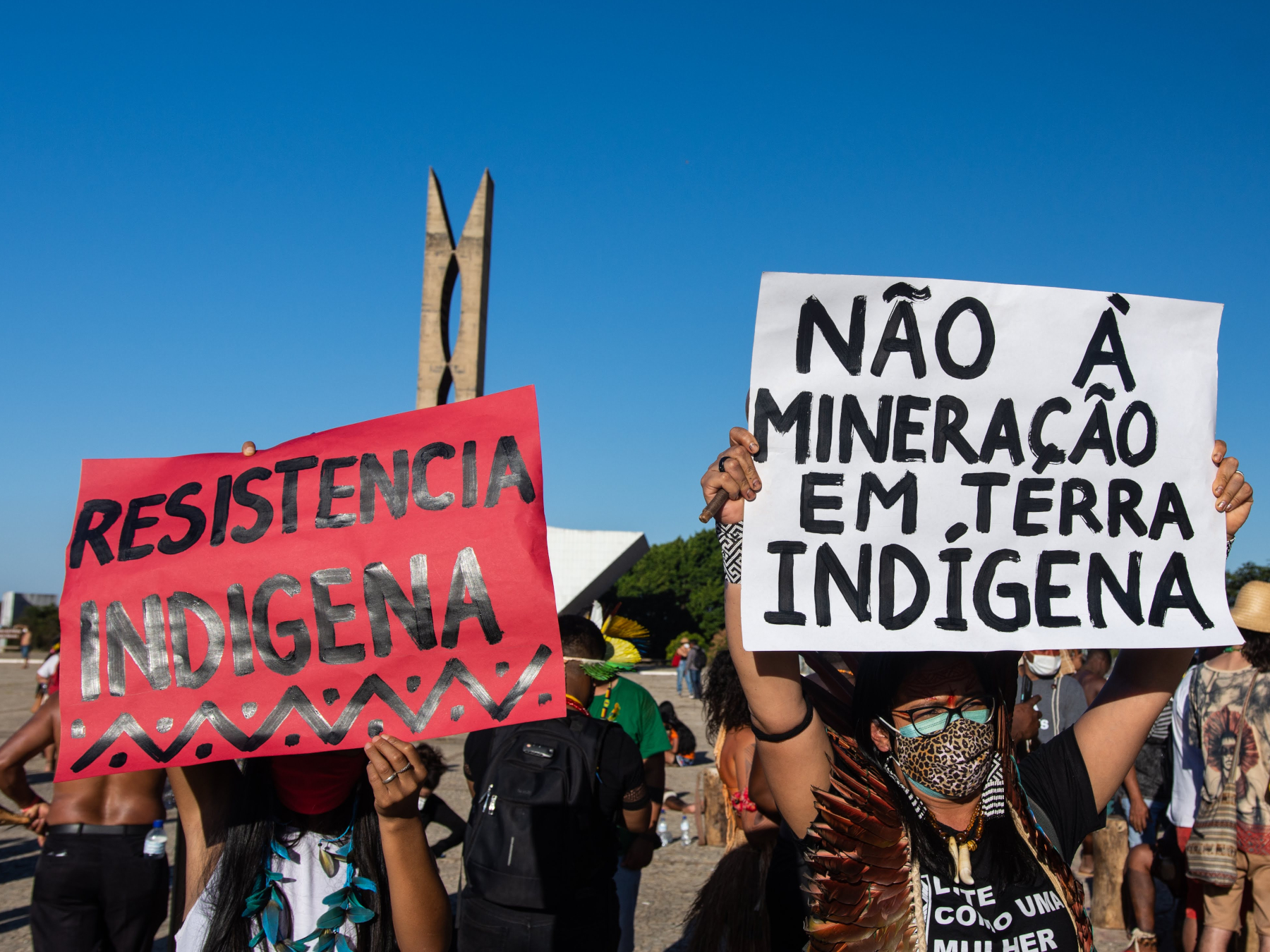
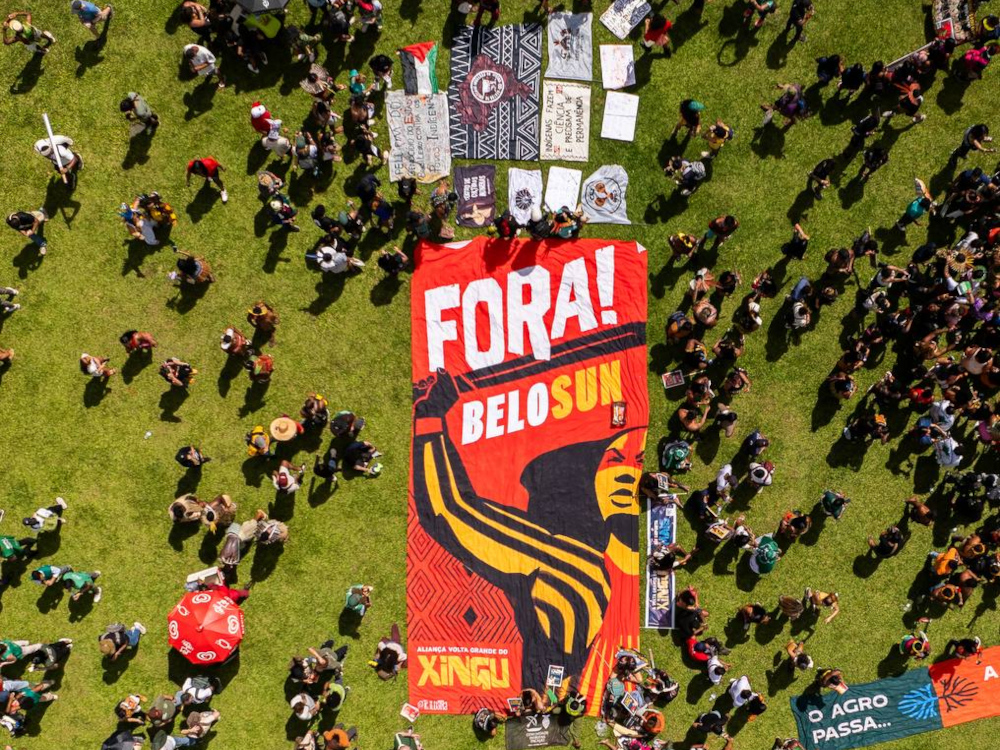
Major Indigenous Protest in Brazil Targets Belo Sun Gold Mine Project

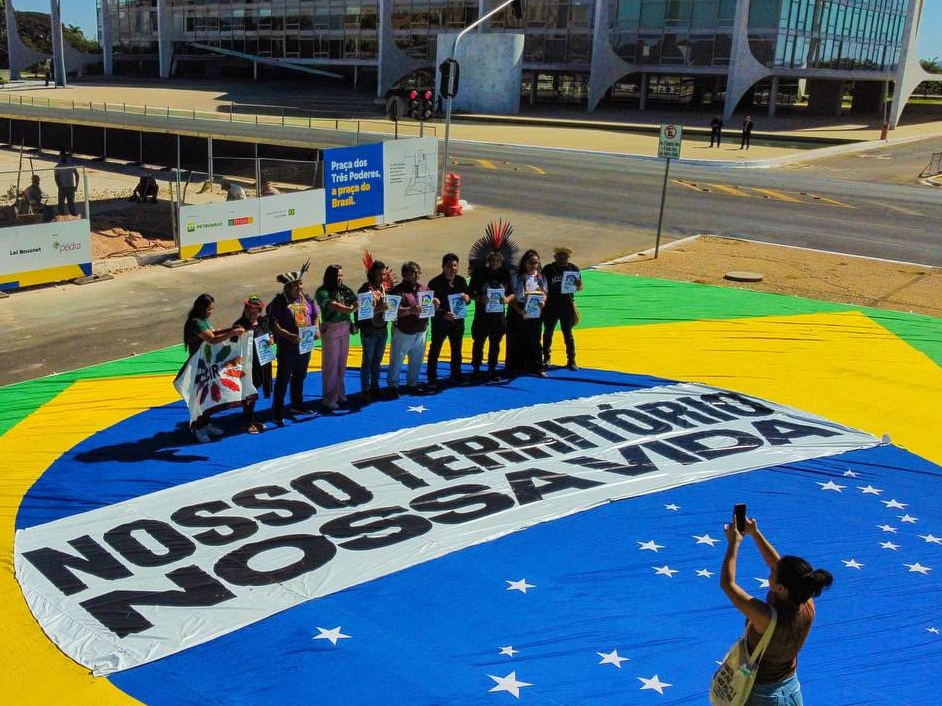
Thousands of Indigenous people marched in Brazil’s capital yesterday, during the second day of the 2026 Free Land Camp (ATL), the country’s largest Indigenous mobilization, to denounce land rights violations driven by large-scale mining, agribusiness, and logging projects.

Amazon Watch is building on more than 28 years of radical and effective solidarity with Indigenous peoples across the Amazon Basin.

DONATE NOW

Indigenous Protest Enters Second Week as Brazil Faces Pressure Over Amazon Waterway Decree

Munduruku leaders join growing Indigenous blockade against Amazon River dredging and privatization

On the 13th day blockading Cargill’s grain terminal in Santarém, Indigenous protestors are demanding in-person dialogue with Brazil's federal government, following its failure to send representatives to a meeting last week.

Amazonian Indigenous Blockade of Key Cargill Terminal Reaches One Week

For the past week, Indigenous peoples representing 14 ethnicities from the Lower and Middle Tapajós River region have blockaded facilities operated by agribusiness multinational Cargill in Santarém, protesting industrial interventions designed to accelerate agro-commodity exports. 

2026: A Year of Decision for the Amazon

The Amazon has reached an ecological tipping point. What happens in 2026 will help determine whether climate justice remains possible or becomes an empty slogan.

Indigenous Leadership and Collective Power in 2025

As climate denial gained renewed political traction and governments moved to restrict civic space, Indigenous peoples and grassroots movements across the Amazon advanced bold, collective visions for the future.

Ecuador Rejects Militarization and Backs Call for Accountability

President Noboa's defeat in the national referendum comes after weeks of mobilization and repression

By rejecting Noboa’s militarized reforms, Ecuadorians chose solutions that protect life and dignity instead of policies based on repression.

The Fight Against Climate Change Is Also a Fight Against Organized Crime

Belém COP cannot succeed without taking decisive action

Open Global Rights | Belém can be remembered as a turning point – when the world stopped treating the Amazon as a victim and began dismantling the criminal economies driving its collapse.

Standing With the Kakataibo

Resilience amid Peru’s crisis of corruption and organized crime

The Kakataibo have made it clear to us: they will not give up. Their fight to reclaim and defend their ancestral lands has lasted more than two decades, and this is simply another chapter in a long struggle for survival and justice.

Defending the Amazon Against Illegal Economies

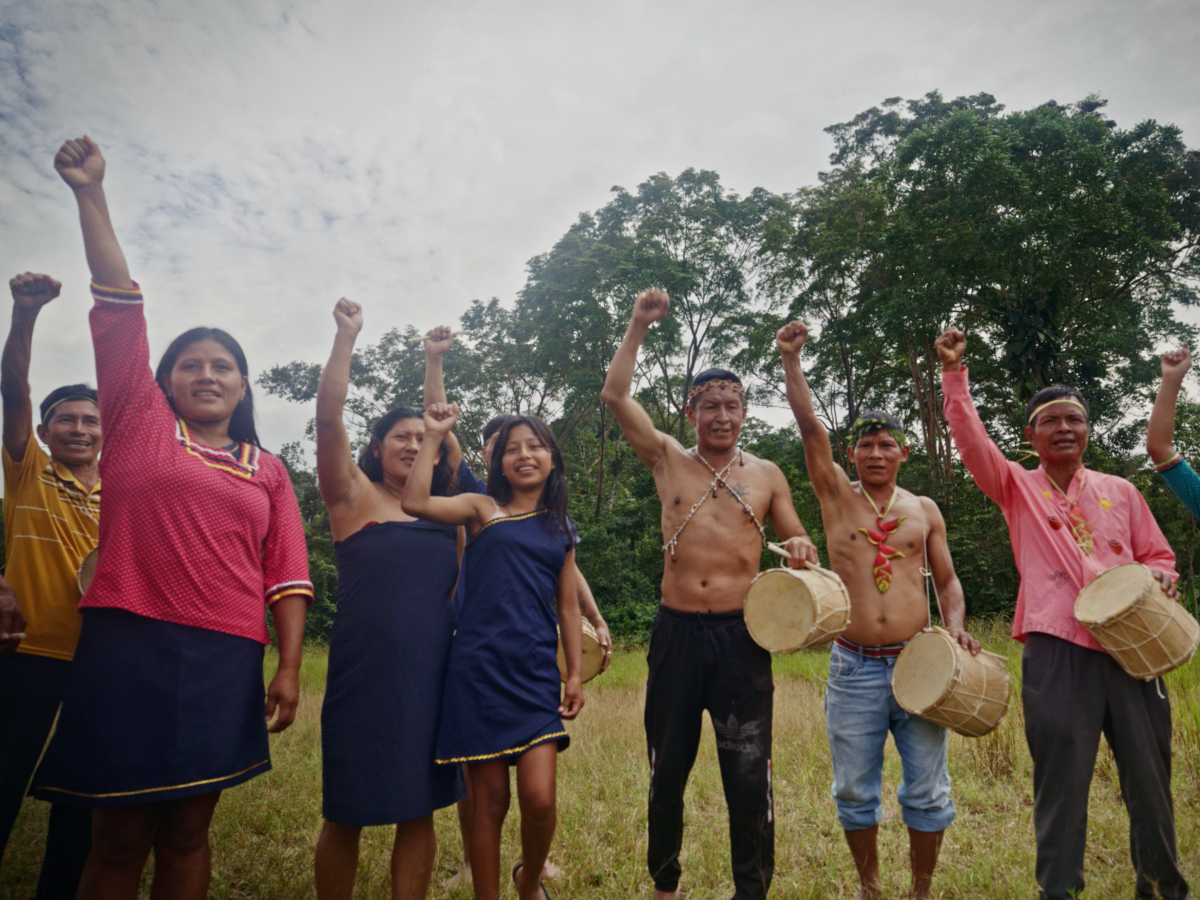
The Wampís Nation’s fight to defend their territory against an invasion of illegal mining

The Wampís’ fight is not just local, it’s global. Defending the Amazon means defending the planet.

Defending Mocoa in Southern Colombia

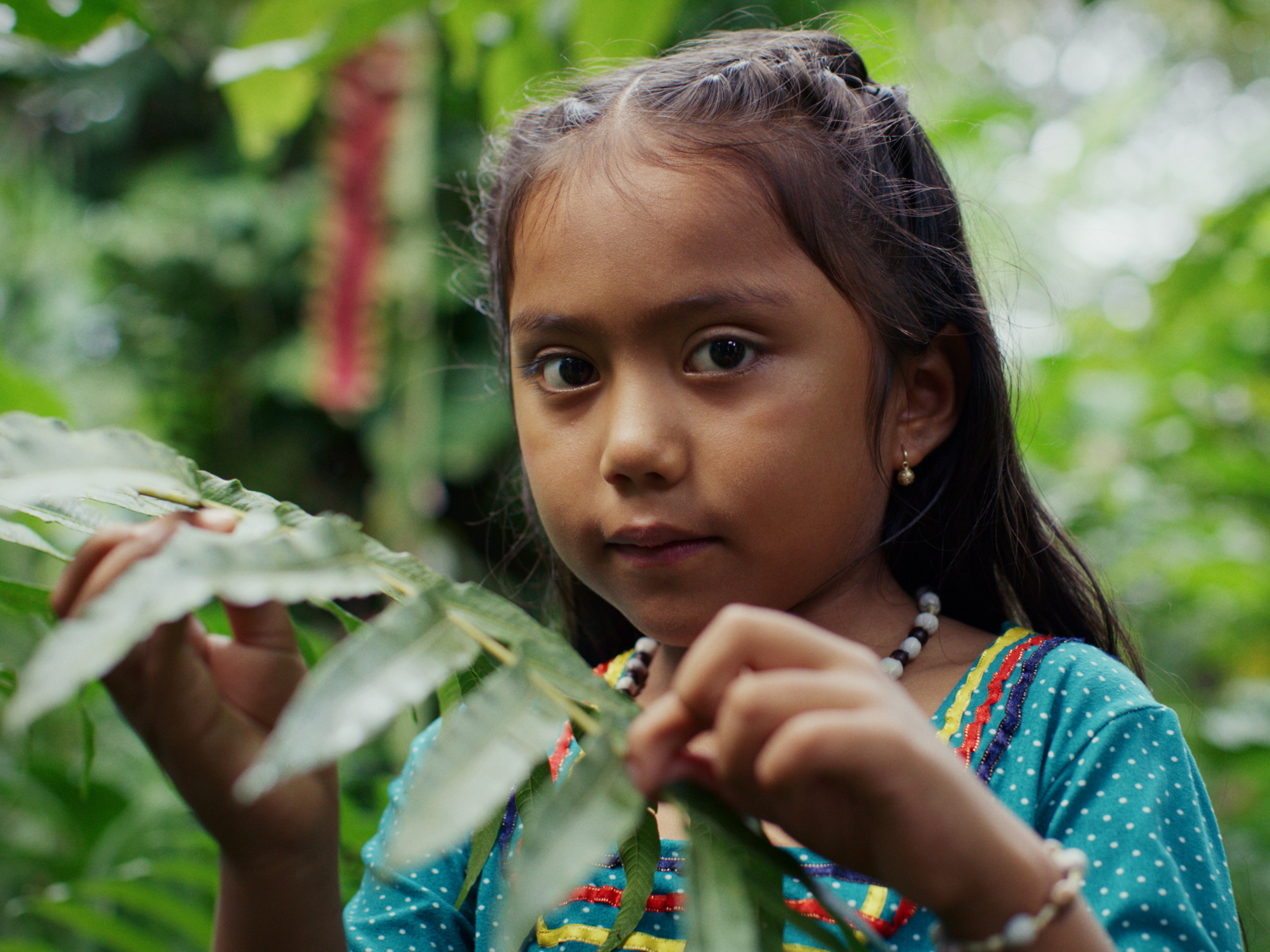
Art, culture, and children’s resistance against Giant Copper mining threat

“Mocoa is the most conserved territory, where the mountains hold the winds of the ancestors, which descend to embrace the Amazon.”

An Important People-Powered Win in Brazil, but the Fight Isn’t Over

A partial veto protects key environmental safeguards, but dangerous loopholes still put the Amazon at risk

With COP30 in Belém just months away, Brazil had a chance to send the world a bold message about its commitment to climate justice. Instead, it delivered a mixed one.