
Amazon Watch is honored to participate in the 20th Assembly of the Autonomous Territorial Government of the Wampis Nation, GTANW. The Wampis created this government ten years ago as a direct response to the Peruvian state’s abandonment of the region and as an expression of Indigenous self-government.
Why did the Wampis Territorial Government emerge, and why does it matter for the planet and the climate struggle?
Peruvian law does not recognize Indigenous Peoples or their ancestral territories as political entities with legal status. Only native communities are recognized, and these represent small fragments of a much larger collective territory. This structure divides Indigenous nations, weakens shared decision making, and limits their ability to plan projects that benefit the entire territory rather than many small, separated communities.
Autonomous territorial governments arise from the peoples themselves. Their communities voluntarily join a single assembly where they decide how to govern their territory collectively. These governments are grounded in international standards that Peru has signed, including ILO Convention 169, the United Nations Declaration on the Rights of Indigenous Peoples, and the American Declaration of the Rights of Indigenous Peoples. At the same time, they are rooted in the hundreds or even thousands of years of effective self-governance that these peoples have exercised in their territories.
Galois Flores Pizango, the vice pamuk (vice president) of the Wampis explains: “For us, the Wampis, autonomy means living in freedom and peace as we have inherited our territory. It means being free from pollution and deciding our own future, for ourselves, but also for all of humanity.”
The progress of the GTANW
Fifteen Amazonian peoples in Peru have chosen to form autonomous governments, yet the Wampis Nation is the most advanced. The government has been forced to recognize them in practice because of their strong community support. Since 2015, the Wampis have elected their president and vice president in two free elections. They also elect their delegated authorities in the two river basins that make up their territory, the Santiago River, Kanus, and the Morona River, Kankaim.
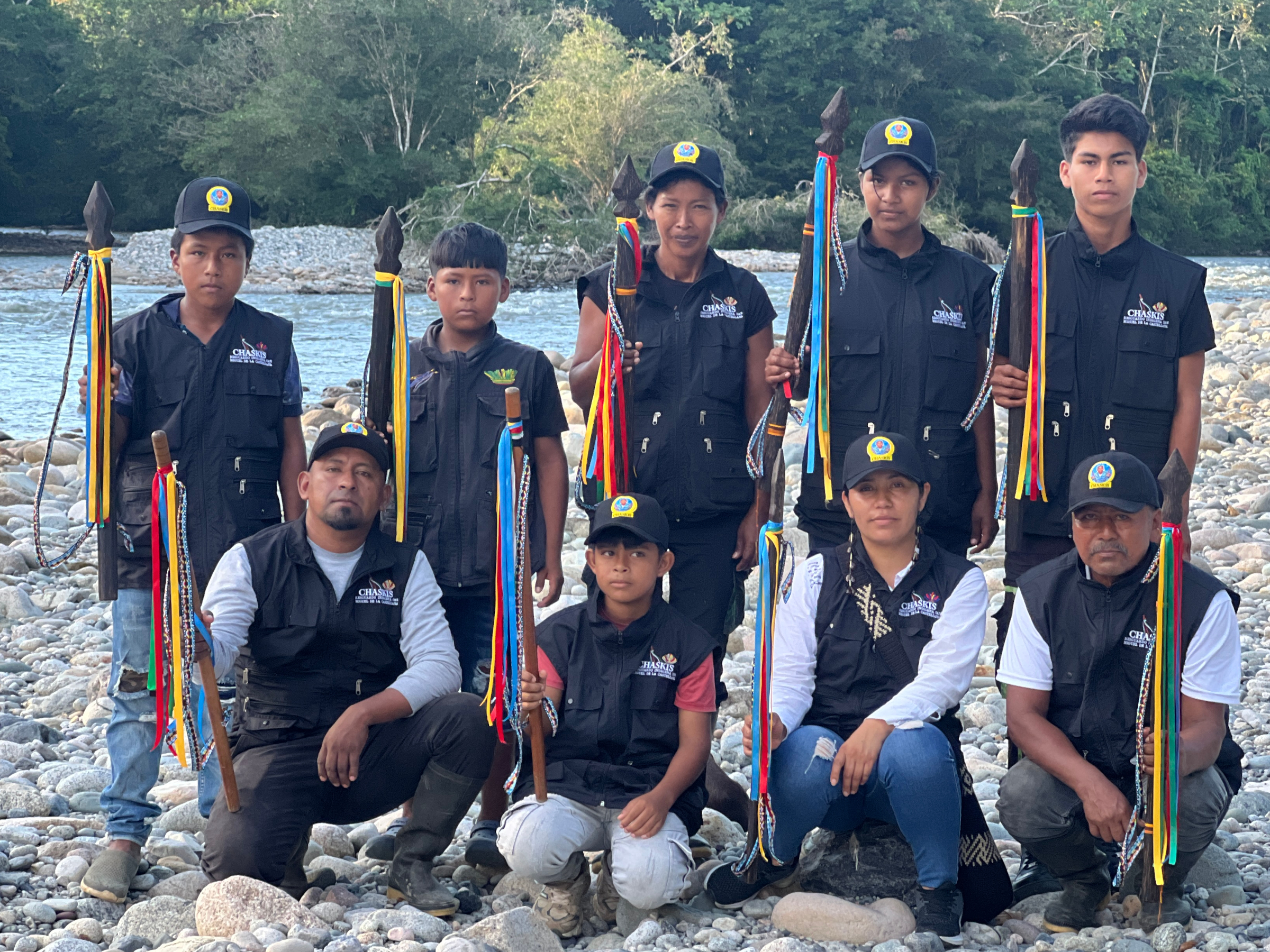
GTANW has enabled the Wampis Nation to design a life plan for their entire territory and begin implementing it. They have stopped new oil lots and mining concessions, mapped their forest resources to advance their model of good living, and trained hundreds of young leaders. They also created the Charip Indigenous Guard, which has dismantled mining camps, seized ammunition and chemical supplies, and blocked new dredges from entering their rivers.
Illegal and informal mining pose a growing threat
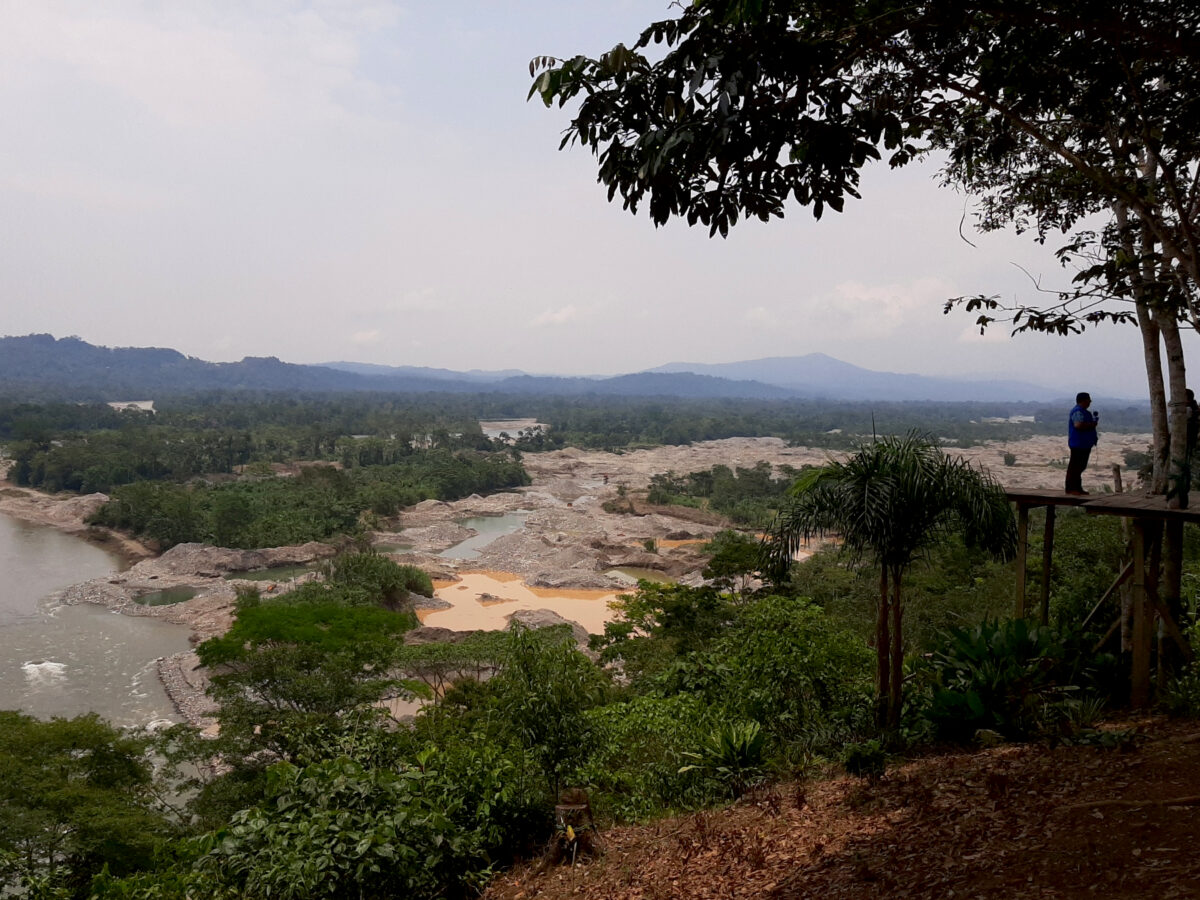
Even without large mining concessions, the Wampis now face serious threats from illegal mining and from smaller informal mining operations that hold provisional permits from the government. Both bring mercury contamination and armed criminal groups into Wampis territory.
These operations are often called small-scale, yet they deploy hundreds of dredges that remove riverbeds and banks and pollute the Amazon on an industrial scale.
As detailed in our report Amazon Underworld, illegal and informal mining in the region is controlled by organized crime networks that dominate the gold trade. These groups operate across Amazonian countries and combine gold mining with drug, wildlife, and land trafficking, along with other illegal economies.
GTANW is now a leading Indigenous force in Peru in the fight against illegal mining. The Charip Indigenous Guard has repeatedly intervened to stop miners and destroy dredges, despite the significant danger posed by heavily armed criminal groups. This conflict sometimes involves community members who join mining operations because of economic pressures or coercion, creating painful internal divisions.
The fight against oil
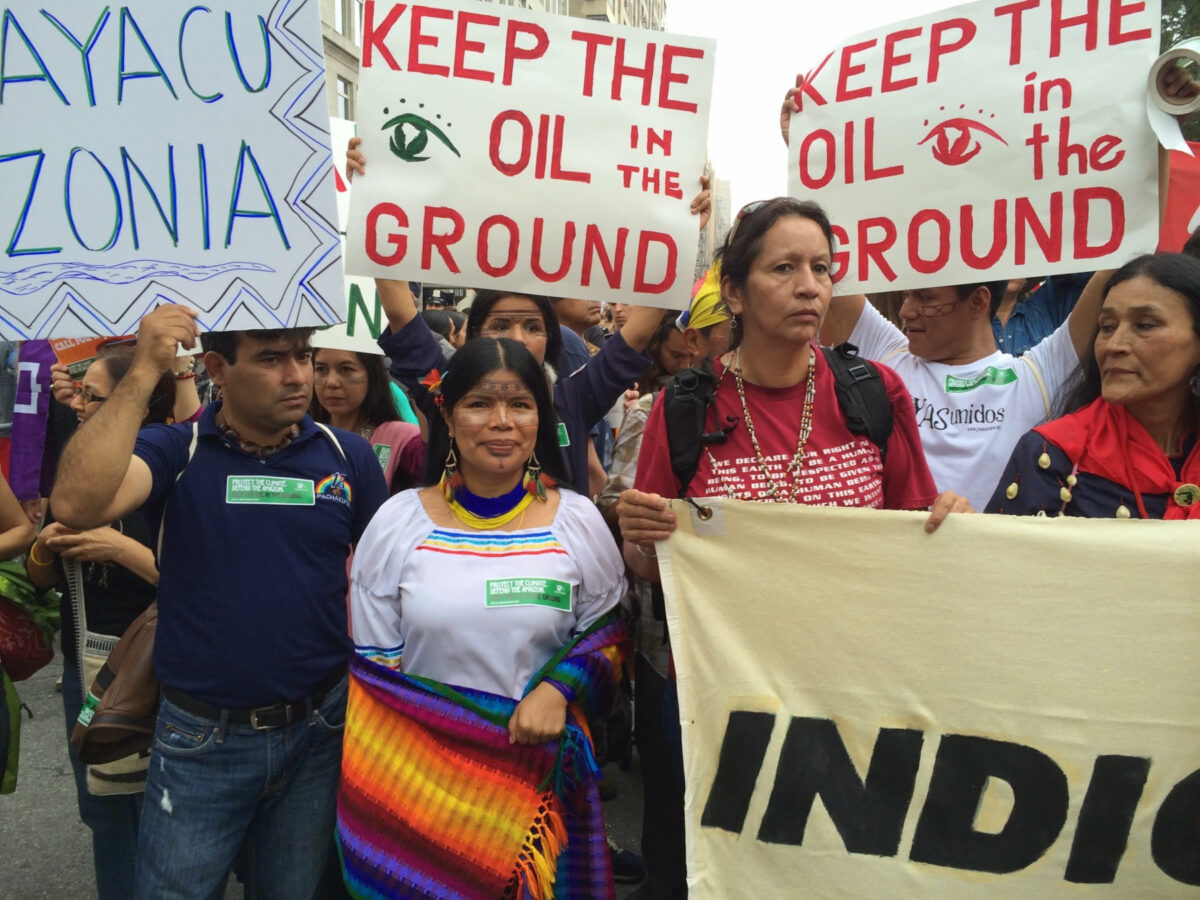
The Wampis Nation has rejected oil activity in its territory because it conflicts with their vision of good living, Tarimat Pujut. GTANW has consistently opposed Block 64, which crosses their rivers for oil transport. They have joined with the Achuar and the Chapra in this fight and have informed international financial institutions of their position.
Their opposition is rooted in decades of oil spills from the North Peruvian Pipeline and in the severe damage seen in neighboring communities that are still trying to address more than fifty years of contamination. The Wampis refuse to repeat that history, even as the Peruvian government continues to insist on tendering Block 64.
National and international impact
GTANW is not focused only on its own territory. It is also helping advance autonomous governments across the Amazon. The Wampis have formal agreements with eight other territorial governments in northern Peru and a major agreement with AIDESEP to promote autonomous governance for all Indigenous peoples.
The Wampis have also brought their message to international United Nations forums on Indigenous rights, climate change, and global finance. And their message is clear: there is no effective response to climate change or illegal economies without Indigenous Peoples, and full participation requires that their systems of self-governance be respected and guaranteed.
Our commitment at Amazon Watch
Autonomous territorial governments show that Indigenous Peoples are reclaiming their ancestral identity while creating new systems to respond to modern challenges. Yet many of the threats facing GTANW come from regional and global forces such as gold prices, drug trafficking, and international criminal networks that feed off demand in developed countries. They must also defend their collective rights against a government that is often indifferent or influenced by illegal economies.
Amazon Watch has supported GTANW in many ways. We provided collective healthcare during COVID, supported leadership training for youth, strengthened territorial defense, and helped advance organizational processes with allies. We have accompanied their resistance to the Peruvian government’s proposed oil activity and helped bring global attention to their fight against illegal mining. We hope this collaboration continues as the Wampis Nation advances toward its vision of good living, Tarimat Pujut.