Amazon Watch

Peru

Indigenous Peoples Call on U.N. Action as Organized Crime Expands Across the Amazon

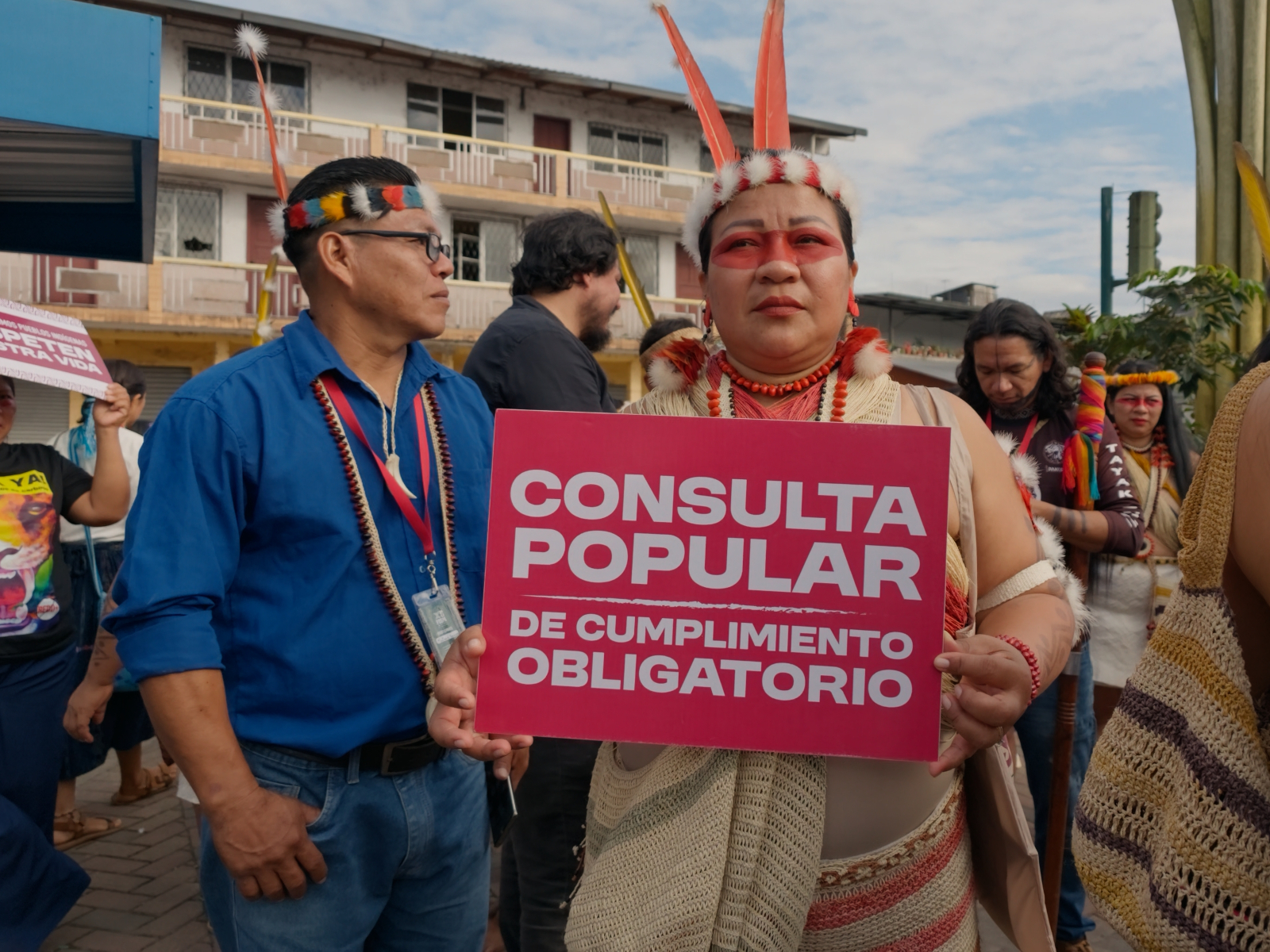
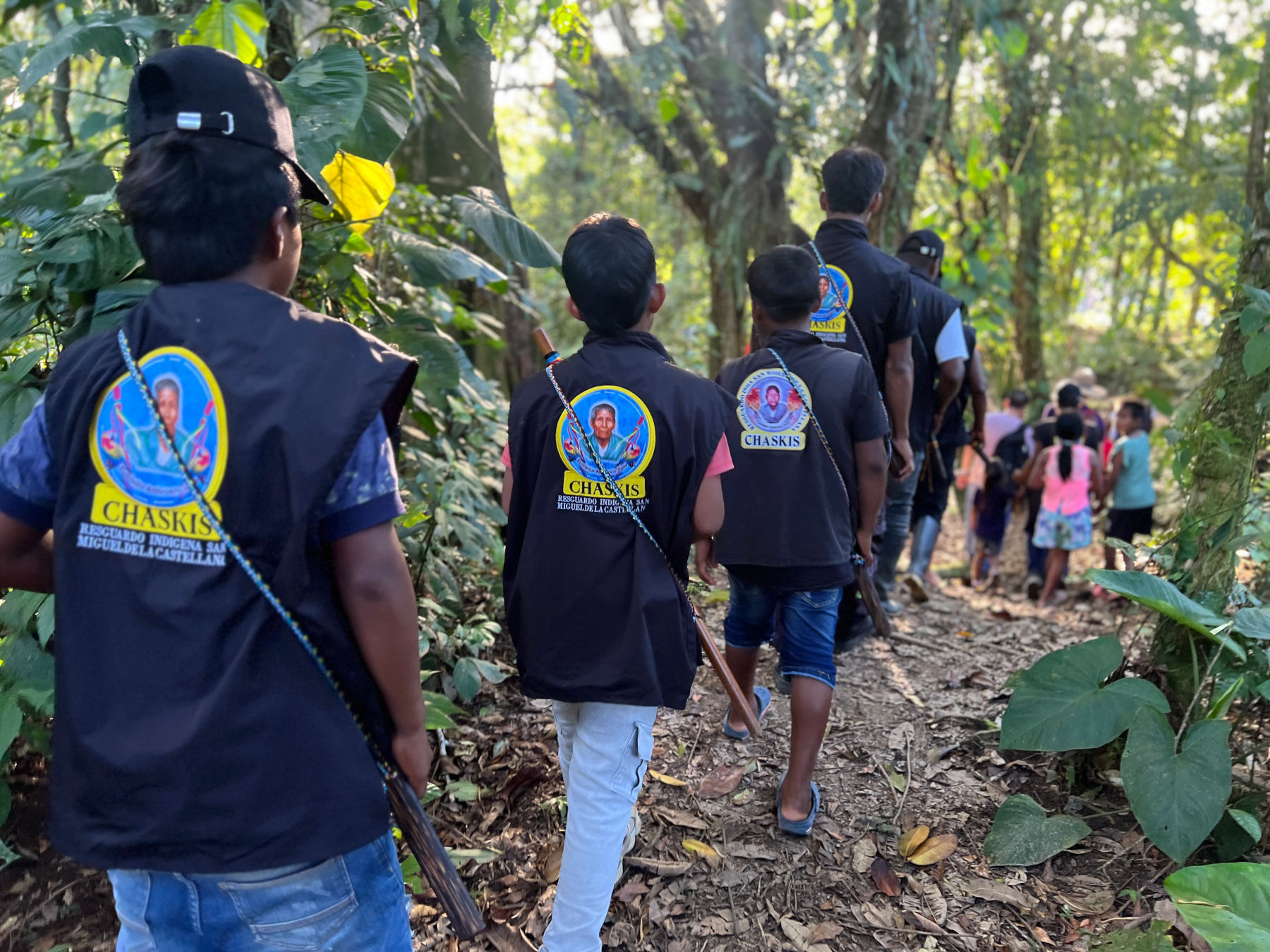
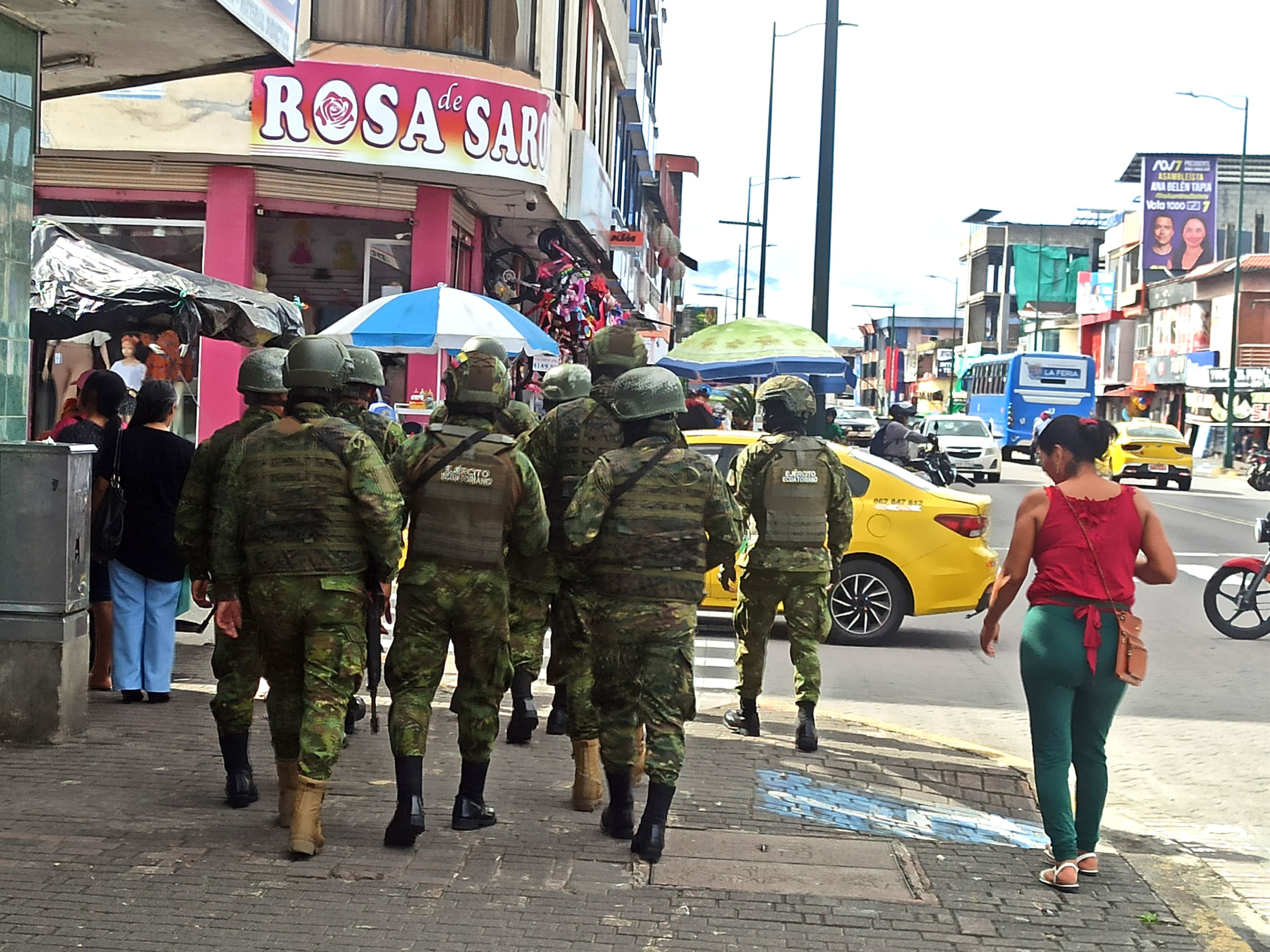
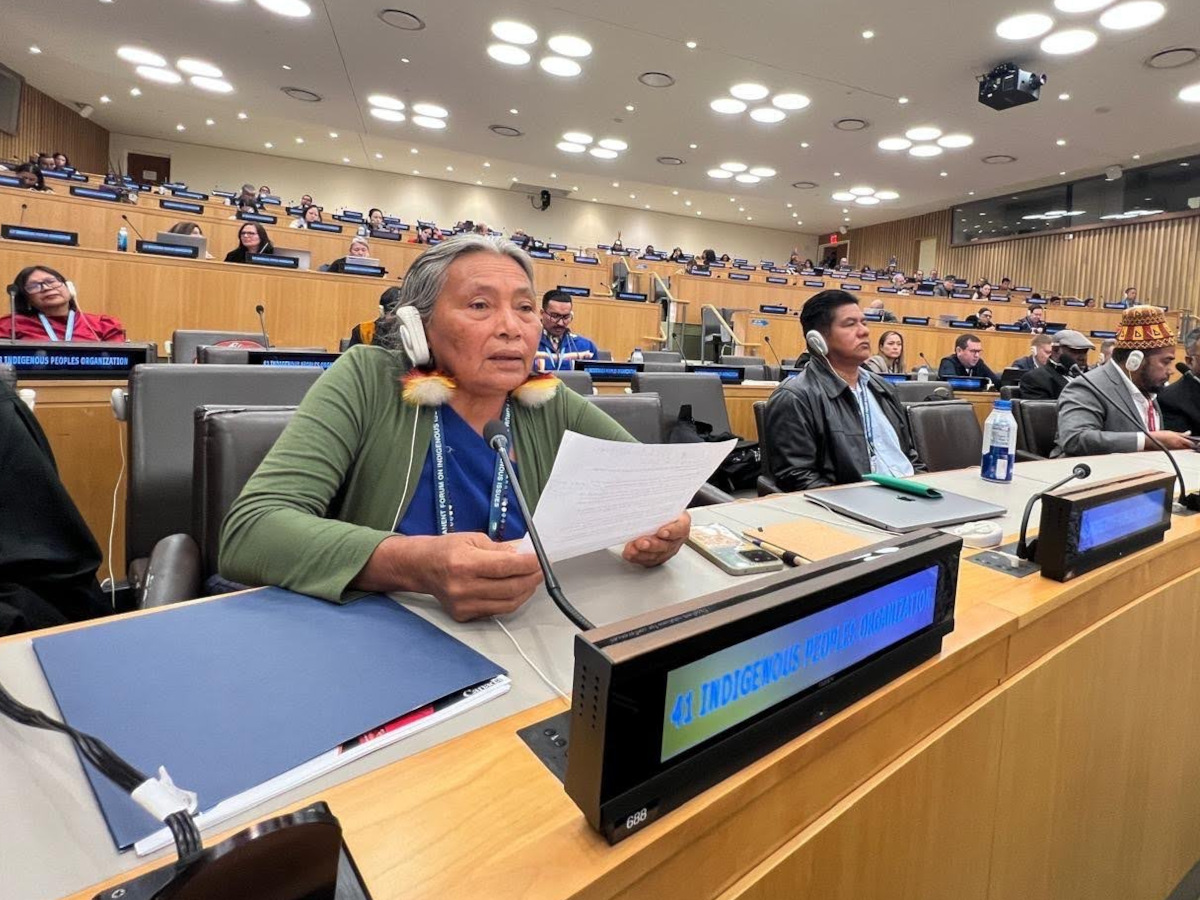
Indigenous leaders who gathered at the U.N. Permanent Forum on Indigenous Issues are demanding a decisive shift away from failed militarized responses toward rights-based approaches that center Indigenous territorial governance, autonomy, and community-led security systems in efforts to confront organized crime. They warn that current state responses are not only insufficient but, in many cases, actively deepen violence and insecurity in their territories.

Indigenous leaders who gathered at the U.N. Permanent Forum on Indigenous Issues are demanding a decisive shift away from failed militarized responses toward rights-based approaches that center Indigenous territorial governance, autonomy, and community-led security systems in efforts to confront organized crime.

Amazon Watch and Allied Organizations Release Landmark Report on Amazon Crime

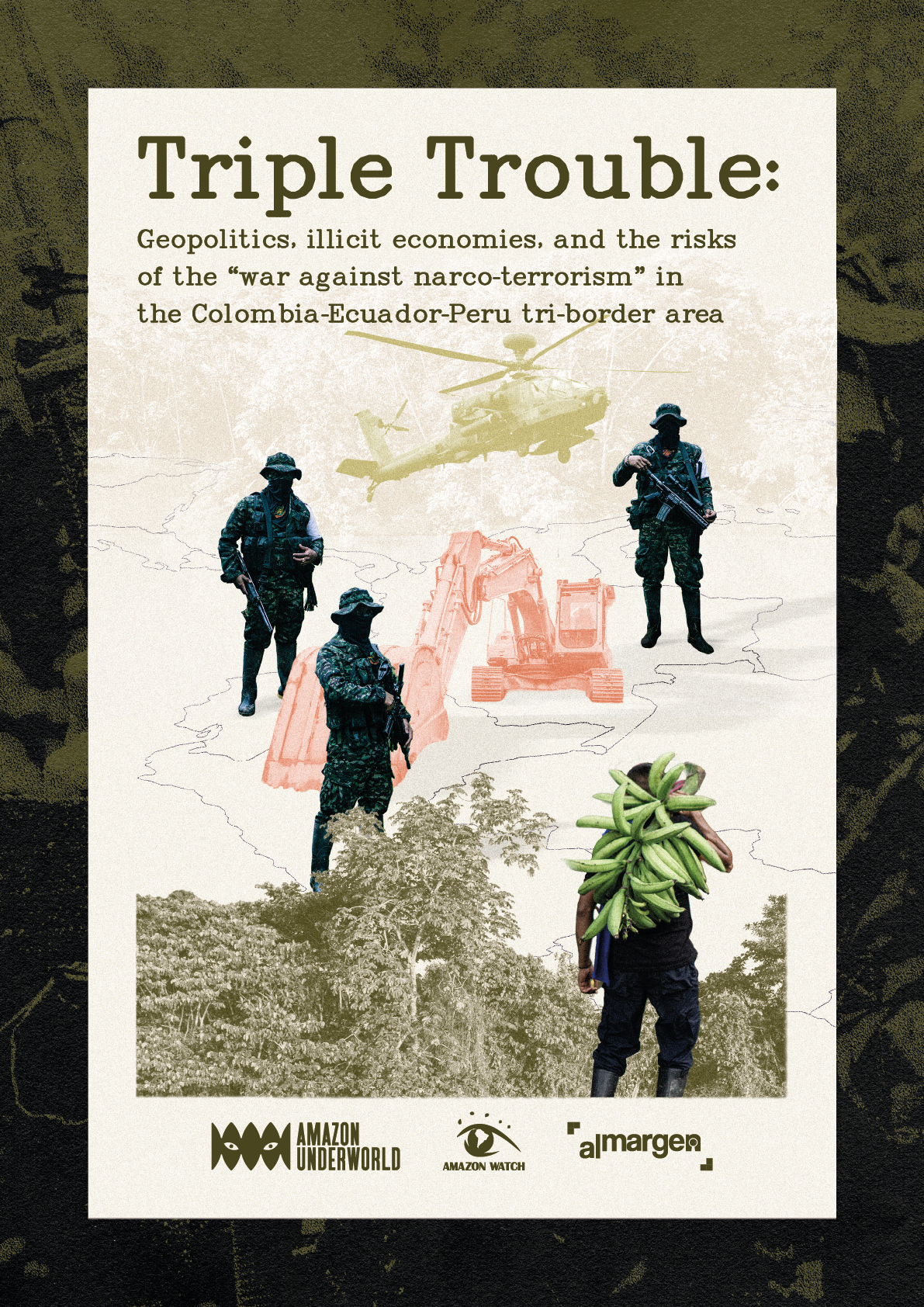
In the context of the United Nations Permanent Forum on Indigenous Issues, Amazon Watch, together with allied organizations, presents the first report to analyze how illicit economies and repressive government responses threaten the rights, territories, and physical and cultural survival of Indigenous peoples.

Indigenous Leaders Bring Amazon Crime Crisis to the UN

As militarized responses fail, Indigenous territorial governance proves vital

An urgent message is traveling from the Amazon to the United Nations. This week, Amazon Watch will accompany a delegation of Indigenous leaders from Peru and Ecuador to New York for the United Nations Permanent Forum on Indigenous Issues (UNPFII).

Territorios Indígenas Bajo Amenaza

La doble presión del crimen organizado y la militarización en la Amazonía

Este informe llama a una estrategia regional centrada en la protección ambiental, el fortalecimiento institucional del Estado y la gobernanza comunitaria.

Amazon Watch is building on more than 28 years of radical and effective solidarity with Indigenous peoples across the Amazon Basin.

DONATE NOW

Amazon Under Siege

How Crime and Militarization Threaten Indigenous Peoples

This report calls for a regional strategy centered on environmental protection, state-building, and community governance.

2026: A Year of Decision for the Amazon

The Amazon has reached an ecological tipping point. What happens in 2026 will help determine whether climate justice remains possible or becomes an empty slogan.

Indigenous Leadership and Collective Power in 2025

As climate denial gained renewed political traction and governments moved to restrict civic space, Indigenous peoples and grassroots movements across the Amazon advanced bold, collective visions for the future.

Small Steps Made, Big Leaps Needed: JPMorgan Chase Reveals Policy Shifts

World’s largest fossil financier responds following Indigenous-led bank advocacy against fossil fuel expansion in the Peruvian Amazon

The changes fall far short of what is needed to prevent violations of Indigenous peoples' rights and to halt large scale destruction of critical ecosystems like the Amazon biome.

The Amazon Does Not Need New Wars

U.S. security strategy revives a past the region is trying to overcome

El País | If history offers any lesson, it is this: every time the Amazon has been militarized in the name of order, the forest lost, its peoples lost, and democracy lost. Repeating that path is not a solution.

Major River Mobilization from the Amazon Arrives at COP30

More than 200 boats carrying Indigenous, riverine, and social movement leaders occupied Guajará Bay in a historic act for the Amazon and climate justice. Chief Raoni Metuktire reminded the world of a simple truth: “The forest lives because we are here. If they remove the people, the forest will die with them.”

“The presence of Indigenous Peoples at COP30 is very important, but the struggle doesn’t end here."

Indigenous Peoples Intercept Soy Barges on the Tapajós River

“There can be no real climate solution while Amazonian rivers are treated merely as grain corridors and the peoples of the Tapajós continue to be denied their right to free, prior, and informed consent.”

The peaceful protest was a powerful statement from Indigenous and traditional communities about the impacts of Brazil’s grain export corridors on rivers, fisheries, territories, and local livelihoods.

The Fight Against Climate Change Is Also a Fight Against Organized Crime

Belém COP cannot succeed without taking decisive action

Open Global Rights | Belém can be remembered as a turning point – when the world stopped treating the Amazon as a victim and began dismantling the criminal economies driving its collapse.

Endangered Amazonía

This report, a collection of 22 articles from Indigenous organizations, researchers, journalists, and international organizations, shows forest degradation and fires have not only pushed the Amazon beyond previous estimates of proximity to its tipping point, but that human activity has driven the forest beyond where mere protection of what remains...

Standing With the Kakataibo

Resilience amid Peru’s crisis of corruption and organized crime

The Kakataibo have made it clear to us: they will not give up. Their fight to reclaim and defend their ancestral lands has lasted more than two decades, and this is simply another chapter in a long struggle for survival and justice.

Defending the Amazon Against Illegal Economies

The Wampís Nation’s fight to defend their territory against an invasion of illegal mining

The Wampís’ fight is not just local, it’s global. Defending the Amazon means defending the planet.

The Rainforest Spoke. Amazonian Legislators Listened.

The Parliamentarians for a Fossil-Free Amazon call for a moratorium on new oil and mining projects – starting with Indigenous territories.

In the face of inaction and paralysis of countries in making significant progress to address the climate crisis and its principal driver – fossil fuels – a worldwide coalition of legislative leaders has taken matters into their own hands, demonstrating what true climate leadership can look like.

The Money Trail

Behind fossil fuel expansion in Latin American and the Caribbean

This report shines a spotlight on companies that are exploring and developing new fossil fuel reserves or building new fossil infrastructure, and it reveals which banks and investors are backing the expansion of this dirty and dangerous industry across Latin America and the Caribbean.