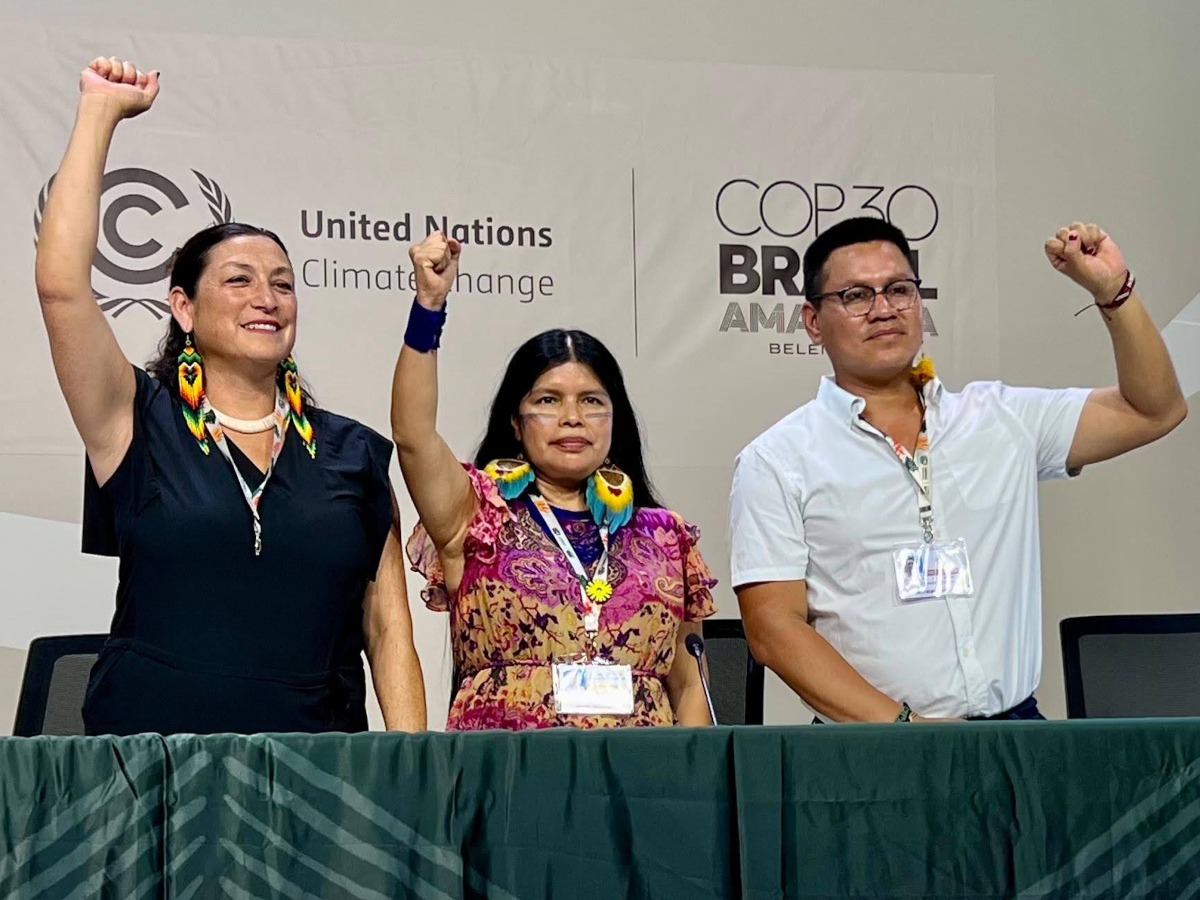
At COP30 in Brazil, one thing stood out. Indigenous Amazonian peoples and movements drove the only meaningful progress that emerged from the negotiations. Their leadership broke through a venue crowded with 1,600 fossil fuel lobbyists, roughly one in every 25 participants, who filled the blue zone where the official talks took place.
After weeks of discussions about protecting forests and moving away from fossil fuels, the final results fell short. They lacked the ambition needed to meet the scale of the climate and Amazon crisis. Even so, the text included explicit references to Indigenous rights in the just transition work program. Negotiators also created the Belém Action Mechanism, or BAM, to guide work toward a low carbon transition. Governments representing 80 percent of the world’s population supported it, although BAM included no deadlines or operational measures. These modest steps were possible only because Indigenous leaders traveled from remote territories, in some cases navigating rivers for weeks, to ensure their voices were present. Their participation strengthened the legitimacy that Indigenous nations have built through decades of resistance.
The rise of Amazonian movements shaped the political moment. The Yakumama Flotilla, made up of dozens of canoes that traveled for weeks from Andean Amazon territories, arrived in Belém, Brazil, carrying a clear message: Halt extractivism and commit to a just transition. They joined hundreds of local boats and created a powerful symbol of unity and resistance along the city’s riverbanks.
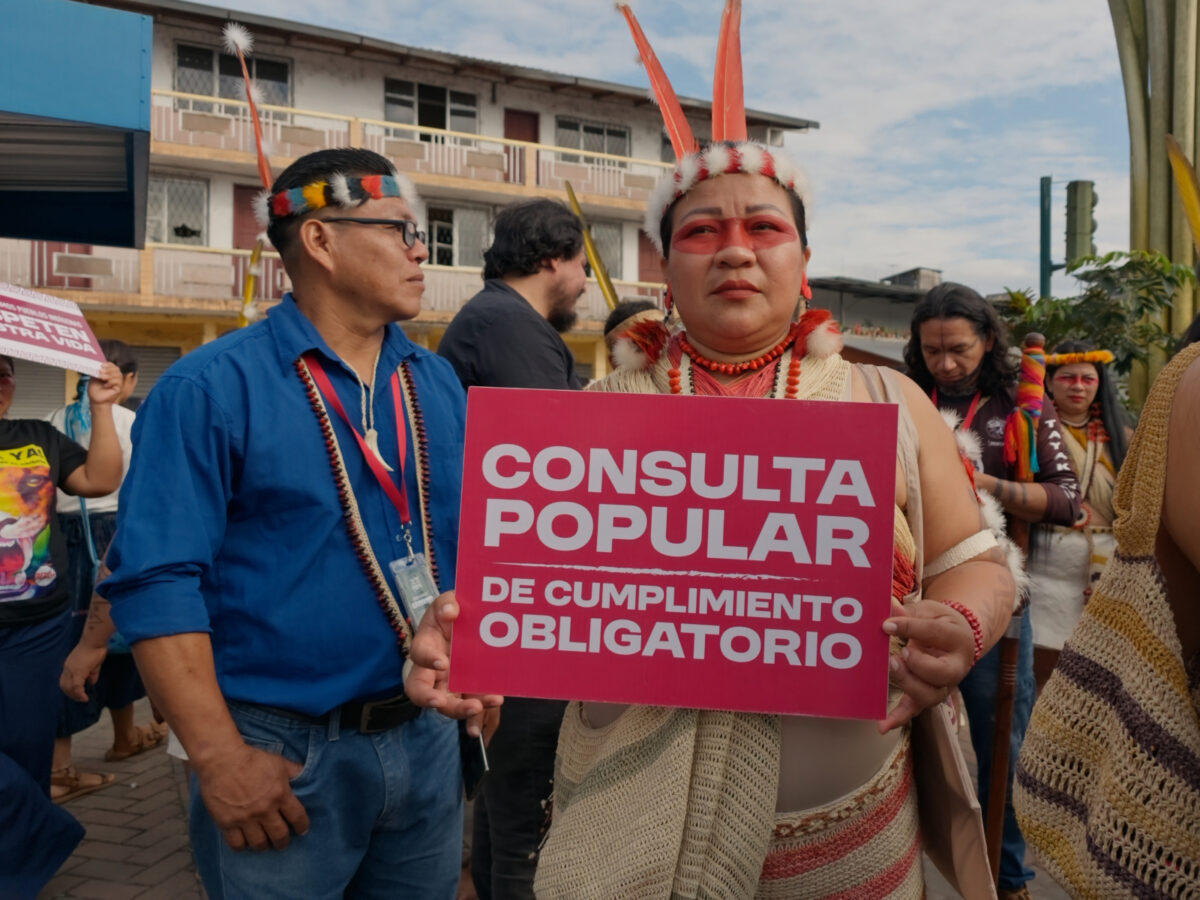
At the same time, the Answer Caravan brought hundreds of Indigenous, riverine and social movement leaders from the Tapajós River on a multi-deck vessel. They delivered a direct message to Brazilian and international agribusiness: Stop the destructive expansion of agroindustry across the Amazon and Cerrado and respect the rights and territories of forest peoples. Their efforts culminated in a massive river action called the Barqueata, joined by more than 200 vessels carrying upwards of 5,000 people. Days later, more than 70,000 marched through Belém demanding an end to the fossil fuel era and full respect for Indigenous rights. These were not side events. They were coordinated demonstrations of people power that forced negotiators and global media to take Amazonian demands seriously.
Yet an uncomfortable truth remains. Governments and corporations that should lead the global move away from fossil fuels continue to fail, with few exceptions. Colombia announced it will approve no new oil or mineral extraction in its Amazon, and 18 countries have now joined the Fossil Fuel Treaty initiative. Still, most governments, including Brazil, continue to delay decisions that could prevent further climate chaos and safeguard the well-being of current and future generations.
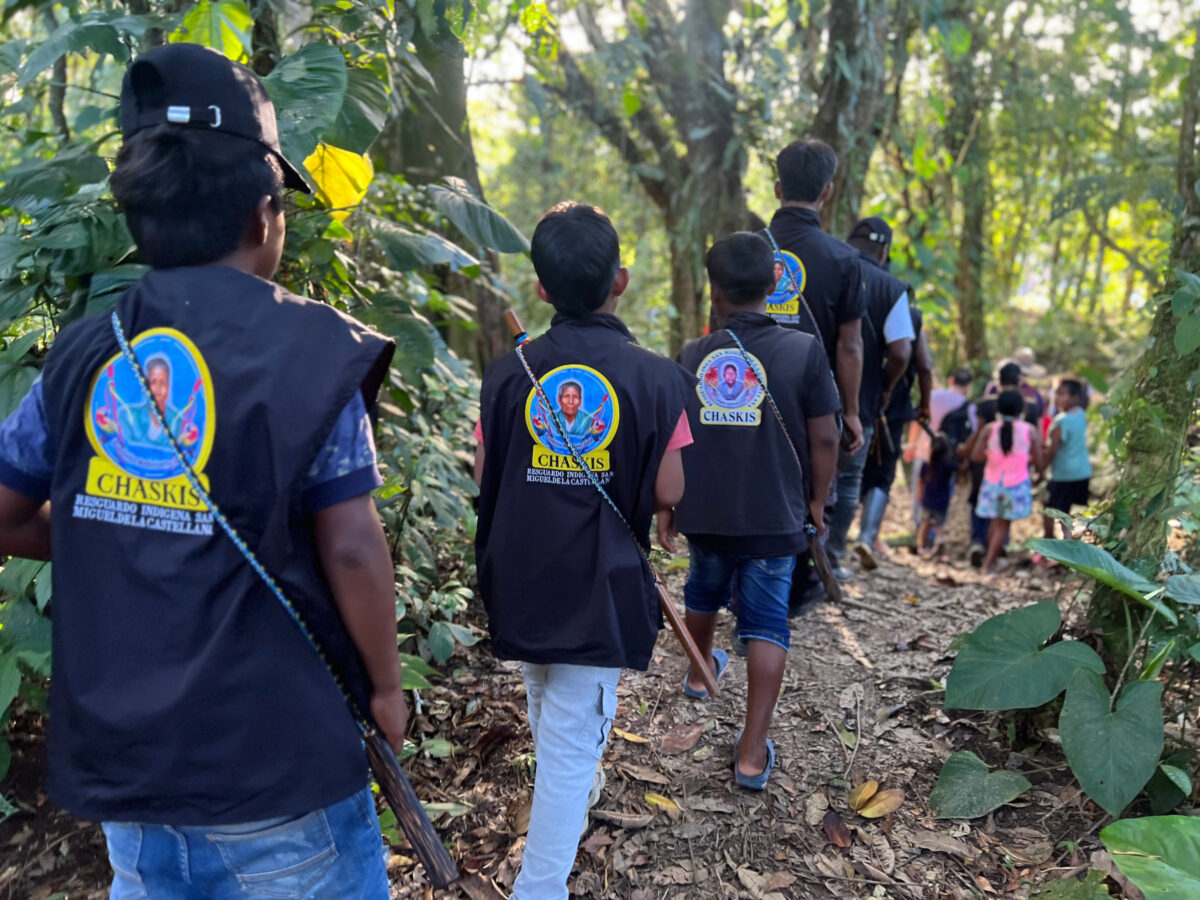
Indigenous territories, where peoples govern and defend the Amazon and other ecosystems, model leadership and halted dozens of fossil fuel projects. In recent years the U’wa people in Colombia pushed out Occidental Petroleum and won a key ruling; the Kichwa of Sarayaku stopped drilling plans and affirmed the right to free, prior and informed consent; the Waorani of Pastaza halted a government oil concession in their territory; a Yasuní referendum led by Indigenous and social movements ordered hundreds of wells closed on their lands; and the Wampís, Achuar and Chapra peoples of Peru forced seven oil companies out of their territories. These victories are fossil fuel phase out in practice.
There are signs of hope. Colombia’s government issued the Belém Declaration on the Transition Away from Fossil Fuels at COP30 and is convening the “Just Transition Away from Fossil Fuels” conference in Santa Marta in April 2026, co-organized with the Netherlands. This summit aims to build a transparent and courageous intergovernmental process to advance a fossil fuel phase out, free from the limitations of the COP structure. This diplomatic opening exists because Indigenous and frontline communities continue to defend their territories and show what is possible.
The path forward is simple and urgent. Governments must declare the Amazon and Indigenous territories no-go zones for fossil fuels. This is both possible and necessary. With political courage and partnership with Indigenous peoples, Amazonian governments can help chart a global strategy to end the fossil fuel era. A real phase-out must start in the territories where the decisive battle for the planet’s future is already underway.
Leila Salazar López is executive director of Amazon Watch.
Patricia Gualinga is a Kichwa Indigenous leader from Sarayaku, member of Mujeres Amazonicas Women’s Collective and an elected member of the U.N. Permanent Forum on Indigenous Issues.