Prosecutors challenge ruling amid allegations of intimidation, flawed impact studies, and violations of Indigenous consultation rights
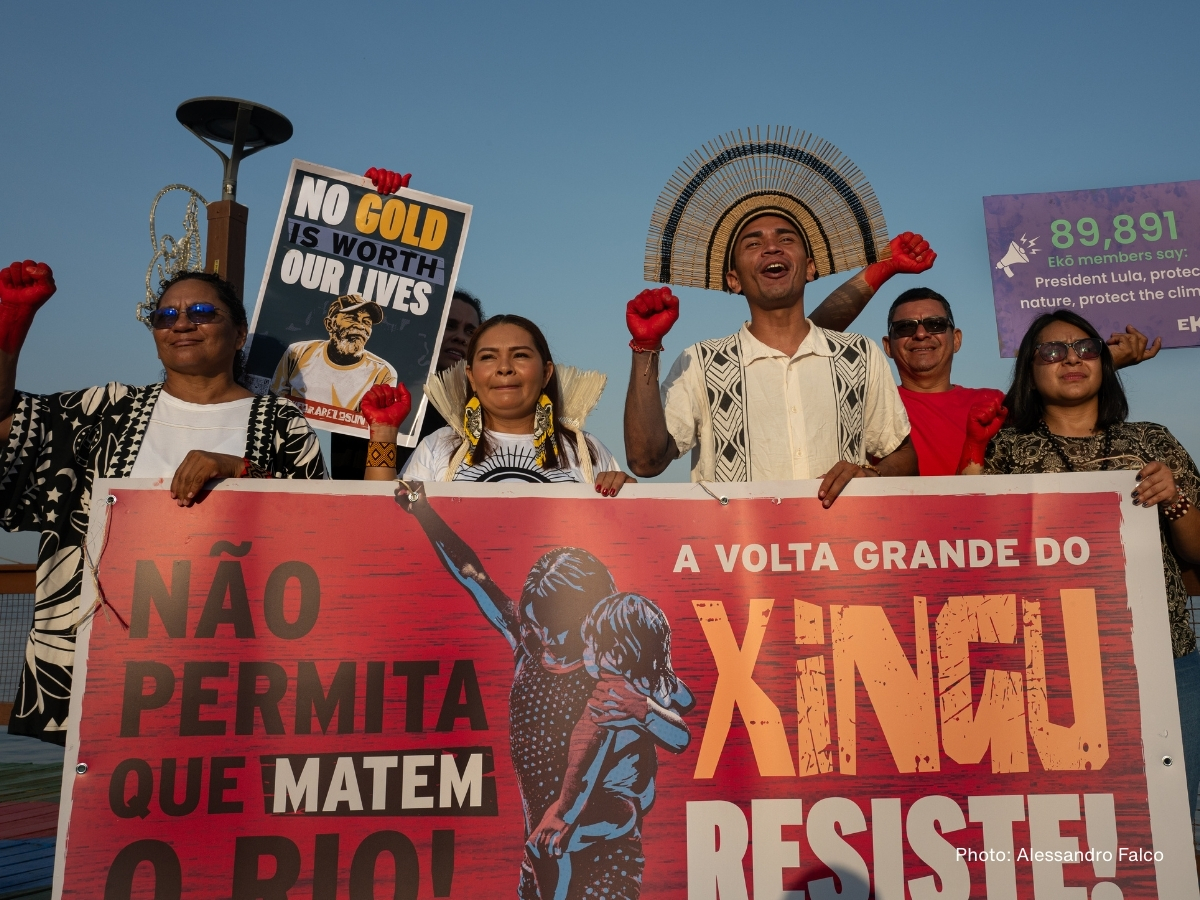
Altamira, Brazil – On February 13, a judge in Brazil’s first circuit court (TRF-1) ruled in favor of reinstating Belo Sun’s installation license for what would be Brazil’s largest open-pit gold mine on the banks of the Amazon’s Xingu River, despite the company’s failure to consult threatened Indigenous communities and unresolved concerns over the many socio-environmental risks the mega-project poses in the region. Prosecutors at Brazil’s Federal Public Ministry (MPF) immediately appealed the ruling, citing gaps in the company’s Indigenous Component Study and the lack of valid consultations with threatened communities, as required by Brazilian legislation and international human rights commitments.
As Belo Sun ramps up efforts to fabricate local consent for its mega-mine, the Korina Juruna Indigenous Association of Pakissamba Village (AIKOJUPA) issued a formal complaint last weekend accusing the company of serious misconduct in its engagement with affected communities. AIKOJUPA sent its complaint to the MPF and Brazil’s national Indigenous agency FUNAI. The complaint denounces Belo Sun’s irregular meetings with communities, where the company attempted to coax representatives to retract formal positions condemning the company’s failure to properly consult them while presenting insufficient impact assessments.
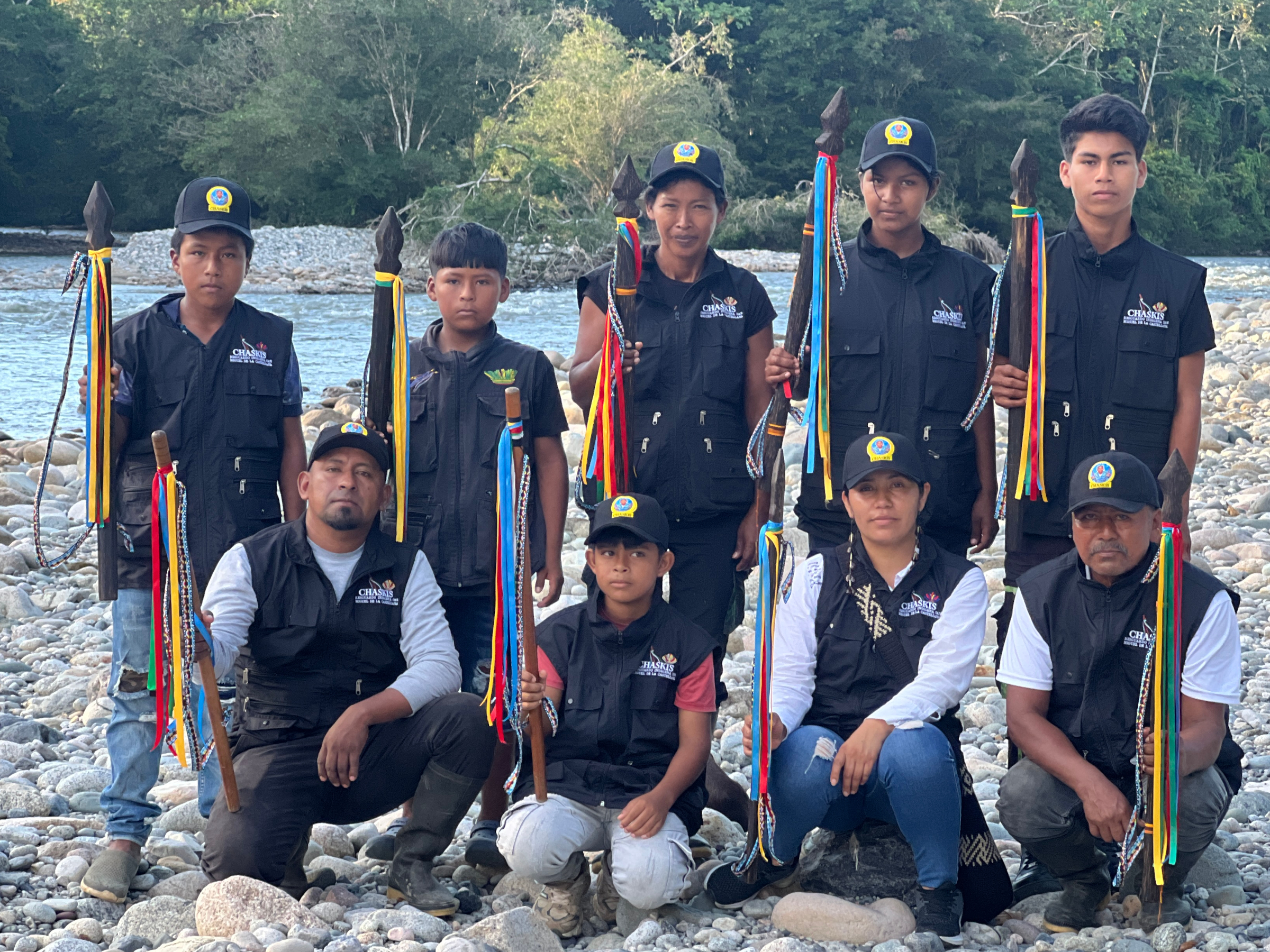
According to the complaint, Belo Sun evaded official requirements for community engagement and pressuring and intimidating local leaders. Company representatives entered villages without required formal invitations or institutional or legal oversight and attempted to conduct negotiations in an irregular manner. “They want to talk to just a few people, without listening to the communities as a whole. We are feeling pressured by this project,” said Eliete Pakissamba, president of AIKOJUPA.
“We are already suffering the impacts of the Belo Monte dam, with the river level dropping rapidly and harming fish spawning and navigation. If another project of this scale comes, the Volta Grande will not withstand it,” said Eliete Pakissamba, highlighting the acute threat the planned mega-mine poses to lower Xingu River and its peoples.
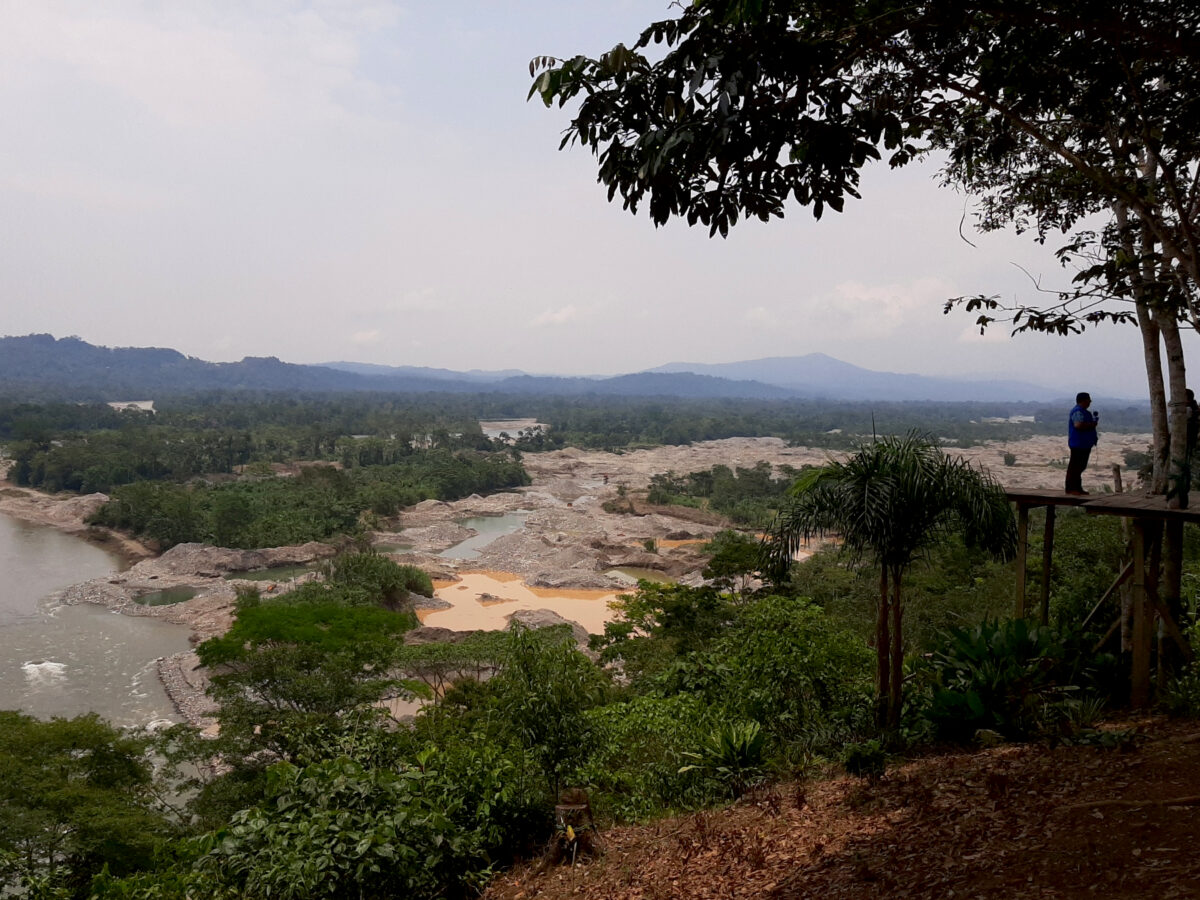
The region ranks among the most biodiverse stretches of the Brazilian Amazon and is home to Indigenous, riverine, and farming communities that depend directly on the Xingu for fishing and agriculture, and on the forest for their physical, cultural, and economic survival. Installing a massive mining project in this sensitive region increases the risk of irreversible impacts on the territories of Indigenous peoples and traditional communities already suffering severe impacts from the Belo Monte dam.
Experts warn that the TRF-1 judge ruled in favor of Belo Sun’s license despite ongoing controversies over the project’s environmental studies and the lack of formal dialogue with threatened populations. Convention 169 of the International Labor Organization (ILO169) requires signatories, such as Brazil, to ensure the Free, Prior, and Informed consultation with traditional communities whose lands and ways of life face threats from projects, in a manner that is transparent and culturally appropriate.
In its complaint, AIKOJUPA demands a rigorous investigation into Belo Sun’s conduct immediate measures to prevent the company from directly approaching their communities without proper institutional oversight. The Indigenous association emphasizes that protecting the ecosystem of the Volta Grande do Xingu is essential to guaranteeing the collective rights of all who depend on the forest and the river to sustain their ways of life.
The Volta Grande project poses extensive socio-environmental risks in the region. Large-scale gold mining involves the use of highly toxic substances such as cyanide, threatening water quality, aquatic fauna, and the food security of local populations. The project also includes construction of a large tailings dam directly adjacent to the Xingu River, which raises the risk of catastrophic and irreversible accidents, such as Brazil’s Mariana and Brumadinho tailings dam failures.
Another critical issue involves cumulative impacts on the Volta Grande. The region already suffers diverse impacts from the Belo Monte mega-dam, which diverts more than 80% of the Xingu’s natural flow through an artificial canal to the dam’s powerhouse and leaves the Xingu’s “Big Bend” region in permanent drought. Data from Brazil’s Independent Territorial Environmental Monitoring (MATI) recorded recurring events between 2023 and 2026 in which river levels fluctuated abruptly, disconnecting fish spawning areas, exposed eggs to dry conditions, and caused massive fish die-offs. In this context of hydrological instability, the arrival of Belo Sun’s mega-mine could push the region to a critical threshold of social and environmental collapse.