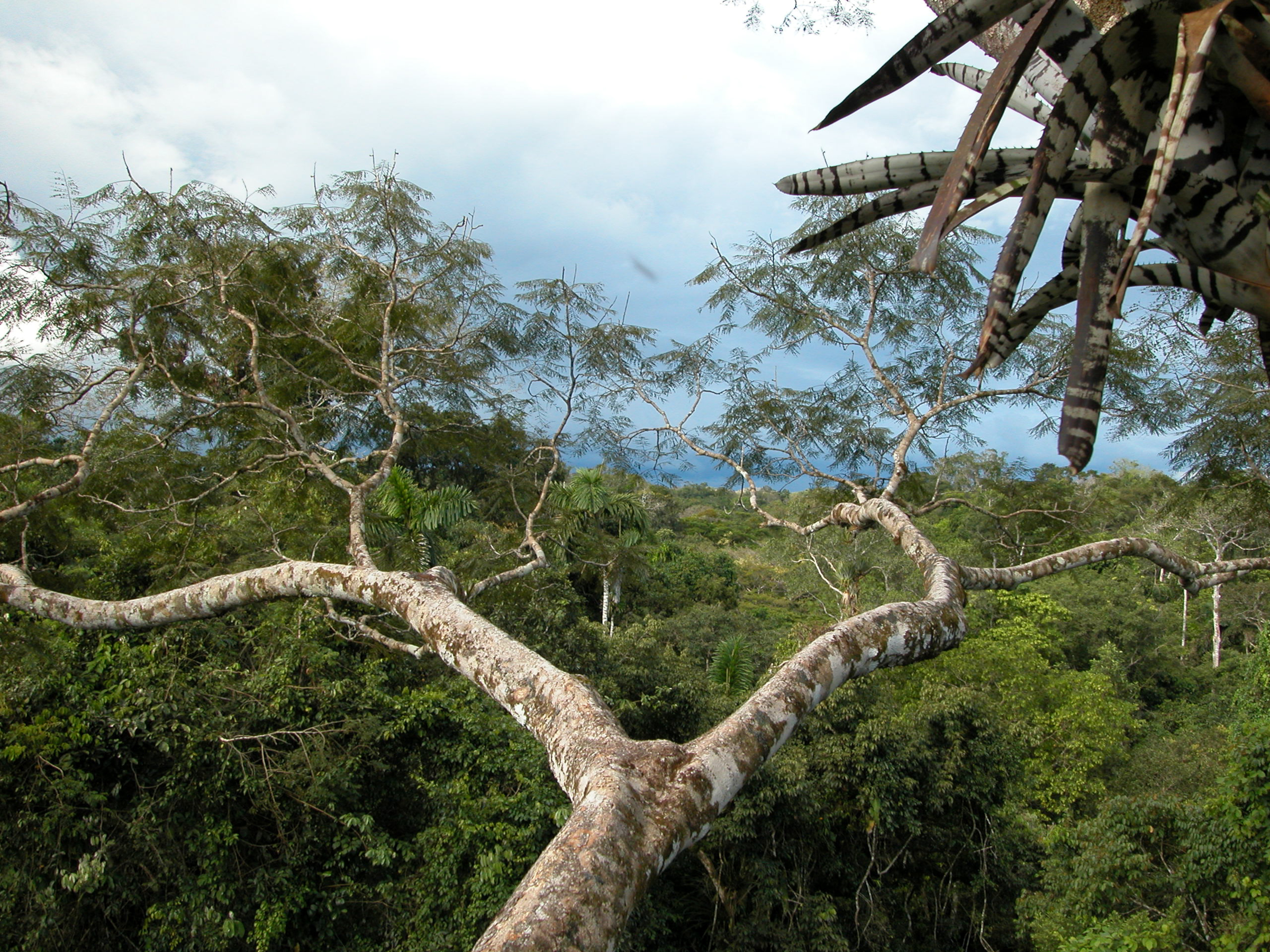
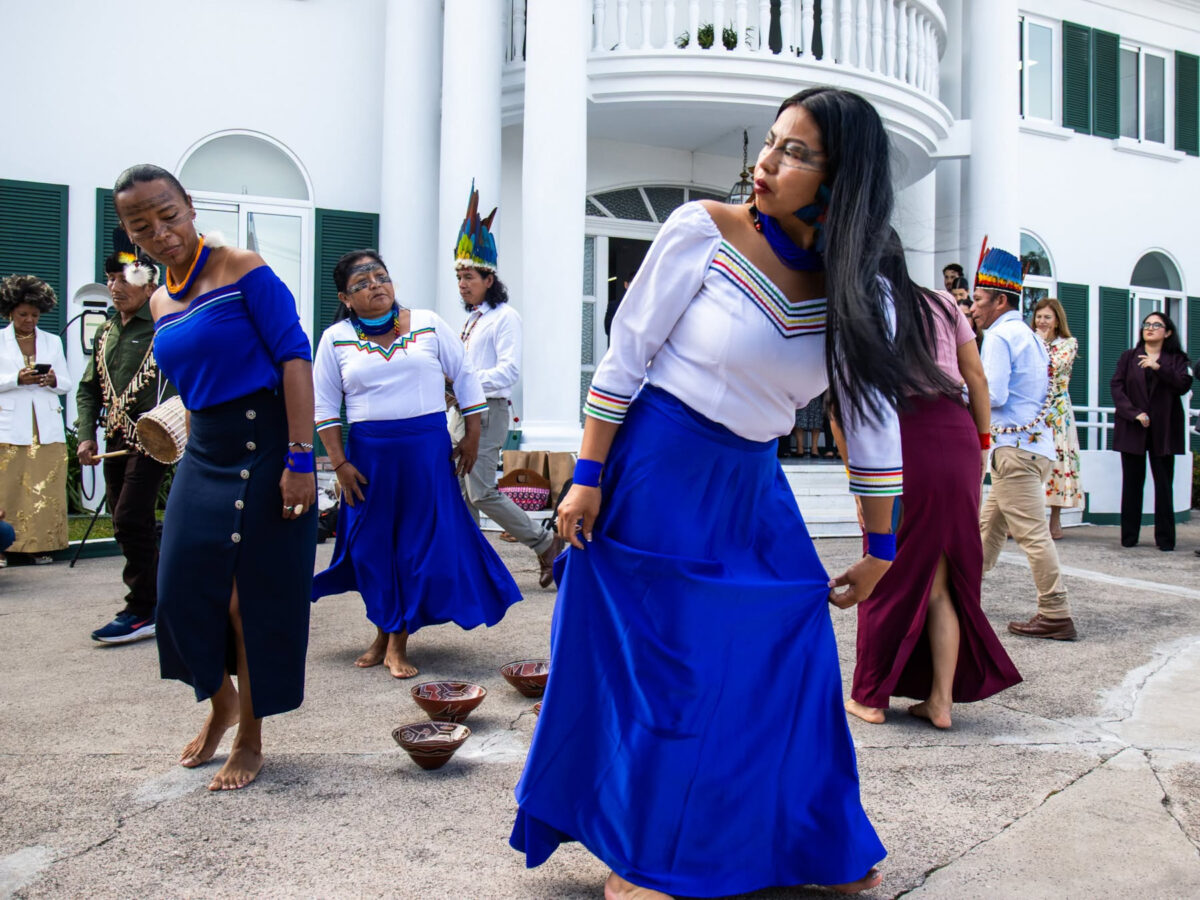
More than two decades ago, helicopters, soldiers, and oil workers descended on the territory of the Kichwa people of Sarayaku, in the heart of the Ecuadorian Amazon. Backed by the Ecuadorian government, the Argentinian oil company CGC sought to open their ancestral territory to oil exploration – without their consent.
For Sarayaku, this was an existential threat – one that put their forests, rivers, sacred sites, and entire way of life at grave risk. It also raised a question that still defines the struggle across the Amazon today: whether Indigenous peoples’ right to refuse oil extraction on their own lands will ever truly be respected.
Sarayaku answered with resistance.
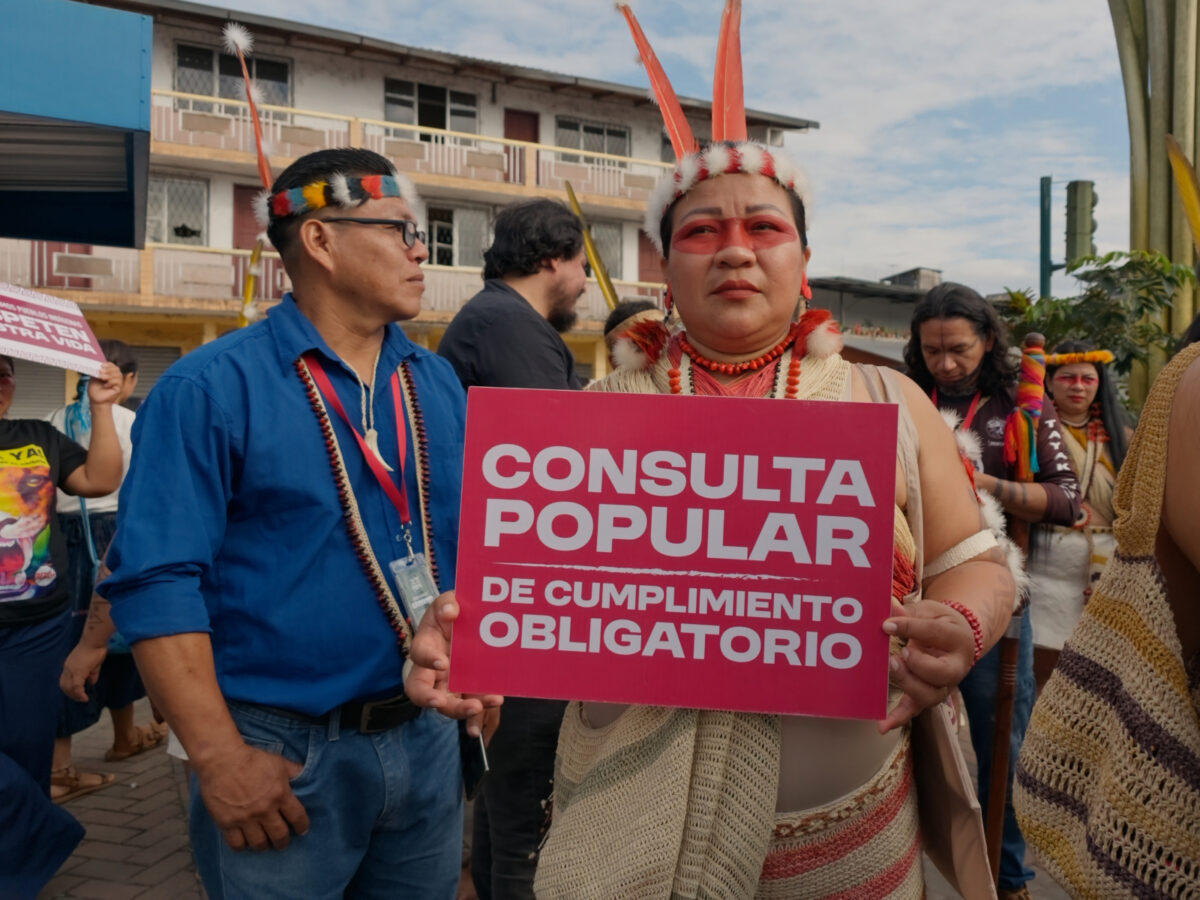
Women, men, youth, and community authorities organized mobilizations, blocked the company’s entry, and denounced the violations of their rights internationally. At moments of razor sharp tension, they confronted armed forces and risked violence to stop the oil industry from advancing. Amazon Watch accompanied this struggle through its most difficult stages, helping to mobilize international solidarity and amplifying Sarayaku’s voice when their territory and safety were under threat.
In 2012, after years of tireless resistance and a landmark legal battle, Sarayaku secured one of the most significant victories for Indigenous rights in the Americas. The Inter-American Court of Human Rights ruled that Ecuador had violated their rights by permitting oil activities without Free, Prior, and Informed Consent (FPIC) – a right enshrined in the Ecuadorian constitution since 2008.
The ruling did more than vindicate Sarayaku’s history. It effectively established an oil moratorium over their territory. The oil project never advanced, the crude stayed in the ground, and the forest remained standing.
For Amazon Watch and our End Amazon Crude campaign, Sarayaku stands as one of the most powerful examples of what it means to stop oil expansion in the Amazon. The community’s resistance blocked the opening of a new extractive frontier, kept millions of barrels of oil in the ground, and protected thousands of hectares of Amazonian forest from the roads, deforestation, contamination, and territorial pressure that accompany oil extraction.
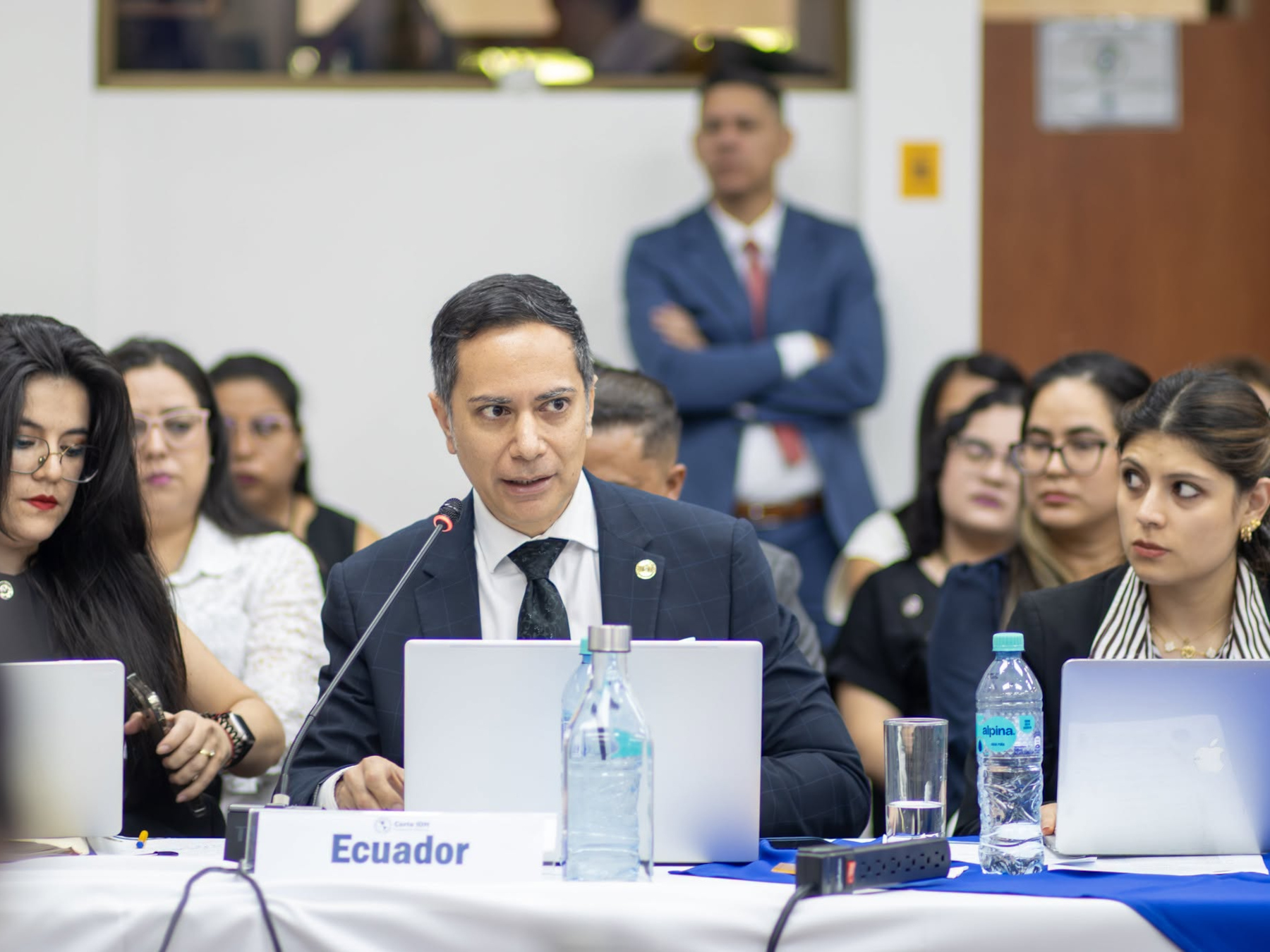
Yet fourteen years after the ruling, Ecuador still has not made things right. The government has failed to remedy the violations the Court identified, and Sarayaku remains threatened by the prospect of renewed oil exploration on their territory.
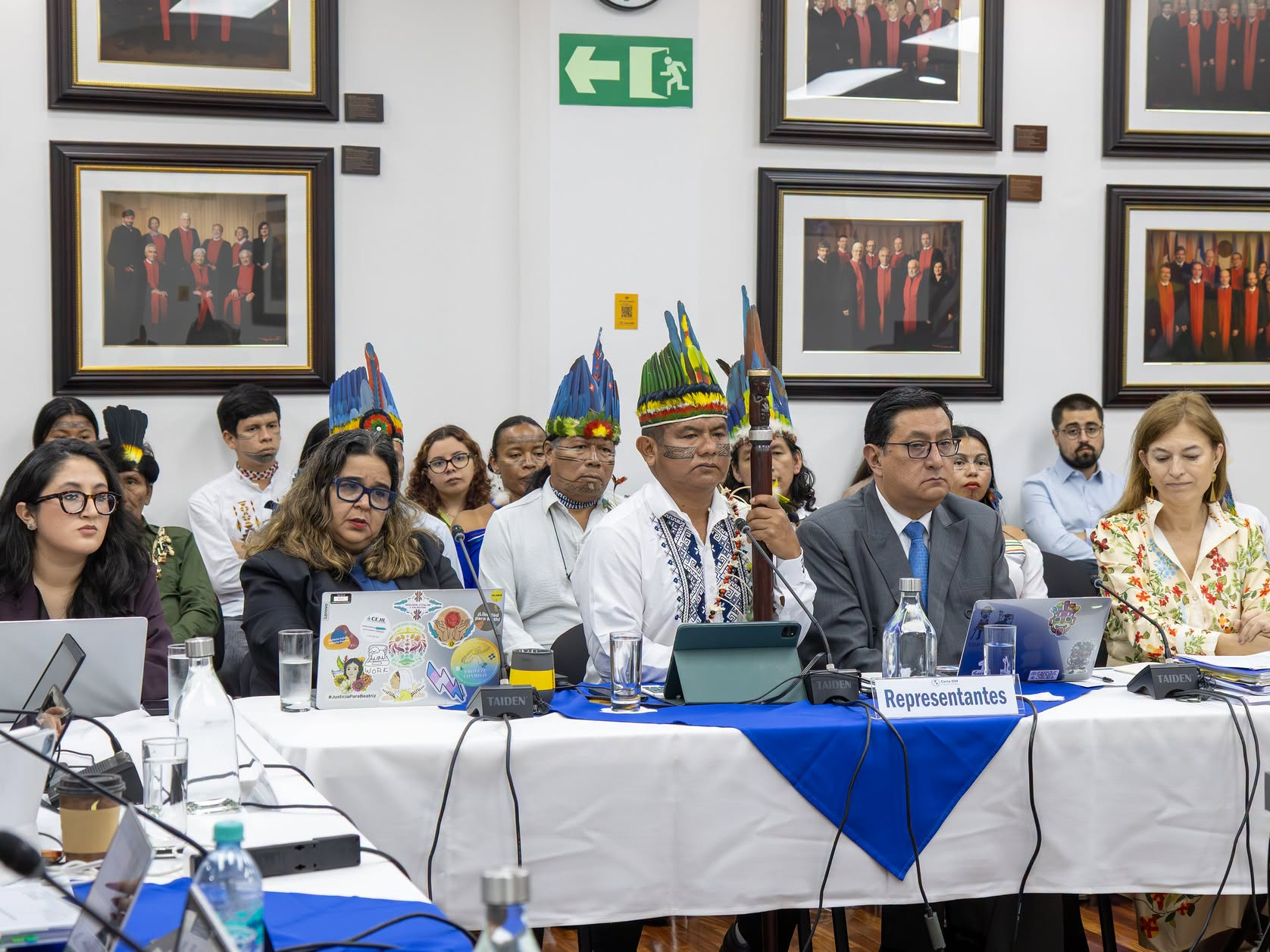
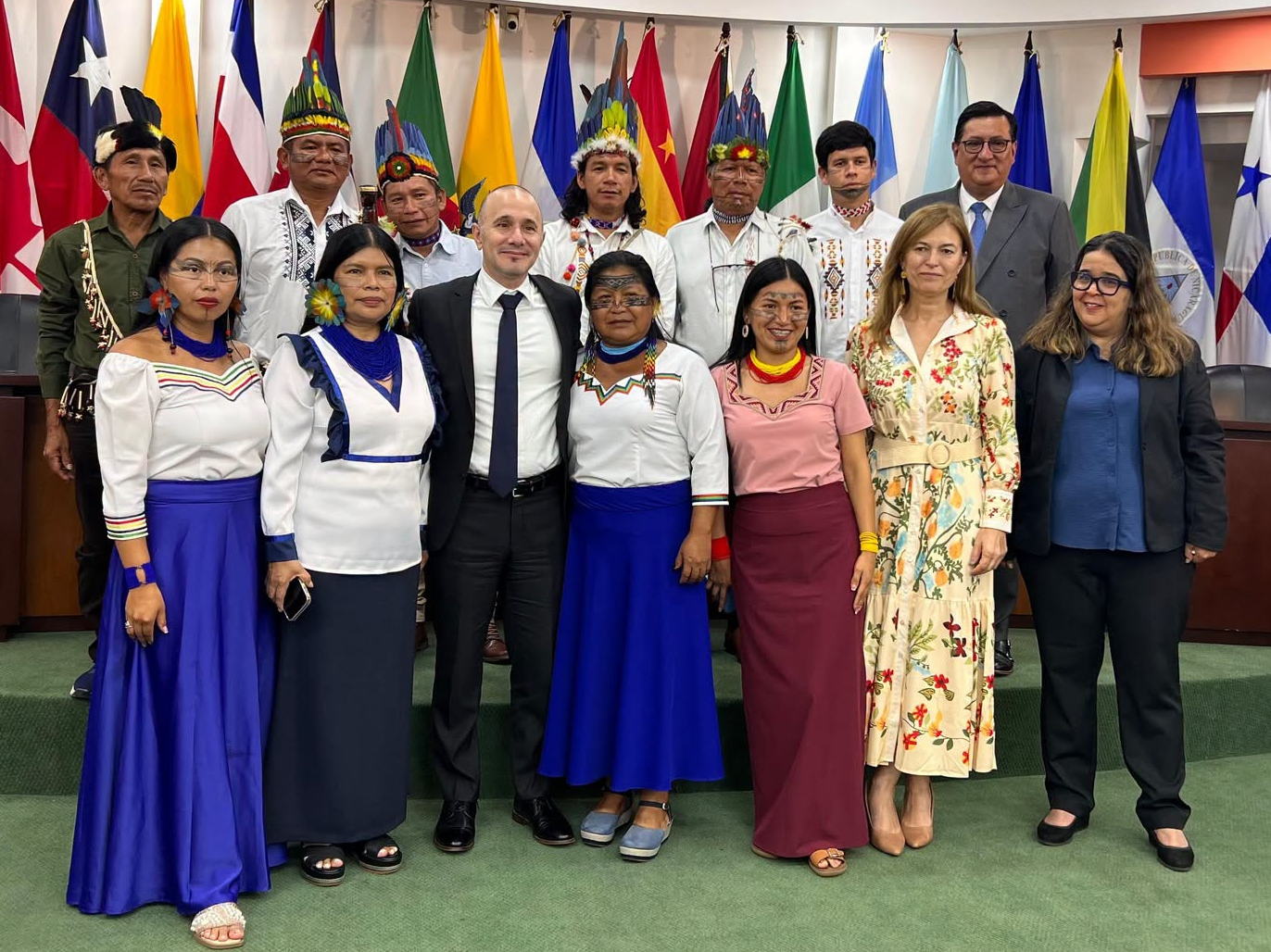
At a recent monitoring hearing before the Inter-American Court, held on June 18 in Costa Rica, Sarayaku denounced Ecuador for defying the Court’s order. The government has still not guaranteed adequate mechanisms for Free, Prior, and Informed Consent, despite the 2012 ruling that confirmed their rights had been violated. And it is yet to remove a ton and a half of pentolite explosives that CGC abandoned across 25,000 hectares of Sarayaku’s territory during oil exploration twenty years ago. The area where the explosives remain buried cannot be inhabited, cutting Sarayaku off from land central to their spiritual and cultural life.
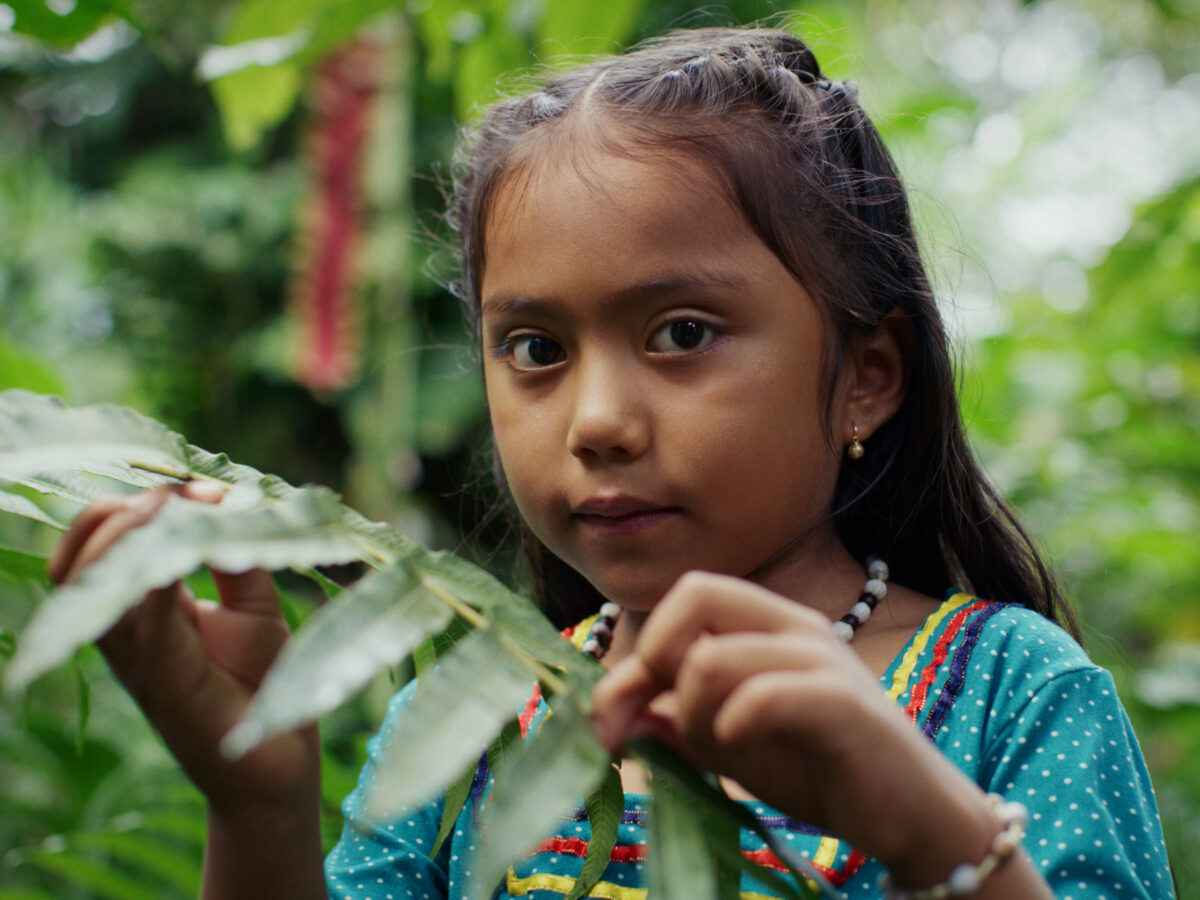
Today, as a result of Ecuador’s continued failure to comply with the judgment, the Sarayaku people, with the support of Fundación Pachamama and CEJIL, are asking the Court to order Ecuador to formally recognize their territory as Kawsak Sacha, or Living Forest: a territory understood as a living, conscious entity and a subject of rights. The proposal seeks to acknowledge the ongoing harm inflicted on the Sarayaku forest and its right to regenerate, establish permanent protection against future extractive threats, and advance an alternative vision of the relationship between peoples, nature, and development.
As governments and companies continue pushing new oil concessions across the Amazon, Sarayaku’s proposal raises an urgent question for the global energy transition: how can the world confront the climate crisis while continuing to open new territories to fossil fuel extraction?
Sarayaku answers it simply. The path forward does not lie in expanding the oil frontier. It lies in protecting the territories that remain. What began as local resistance against an oil company became a landmark legal victory, a concrete contribution to climate defense, and an inspiration for Indigenous and environmental movements worldwide.
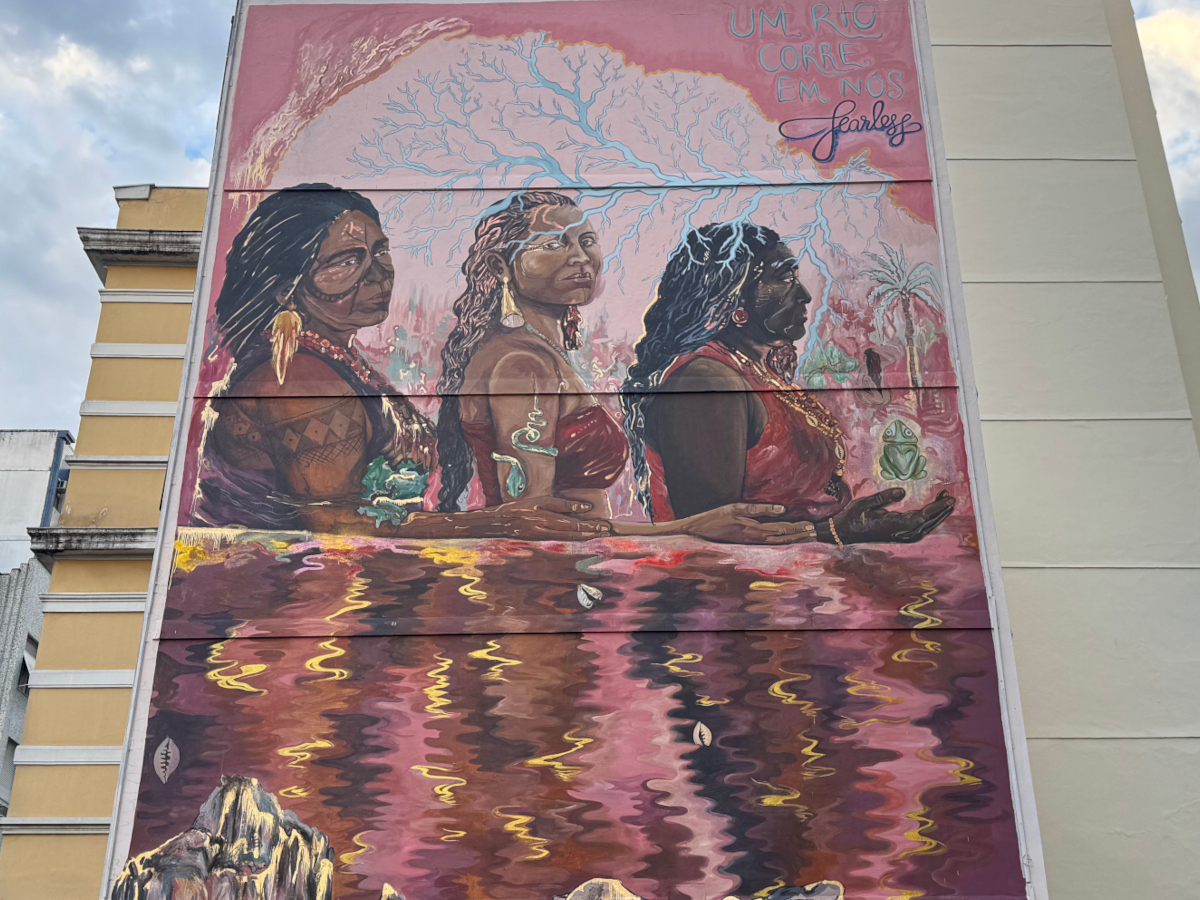
Amazon Watch continues to stand with the Kichwa people of Sarayaku in this new chapter. We support their fight for answers rooted in their territory, their cosmovision, and the rights of nature. Their decades of struggle and resistance proved that Indigenous peoples have the right to decide the fate of their own lands. Now, their vision of Kawsak Sacha offers a roadmap toward a future where the Amazon is not a sacrifice zone for the oil industry, but a living territory deserving protection for the generations to come.