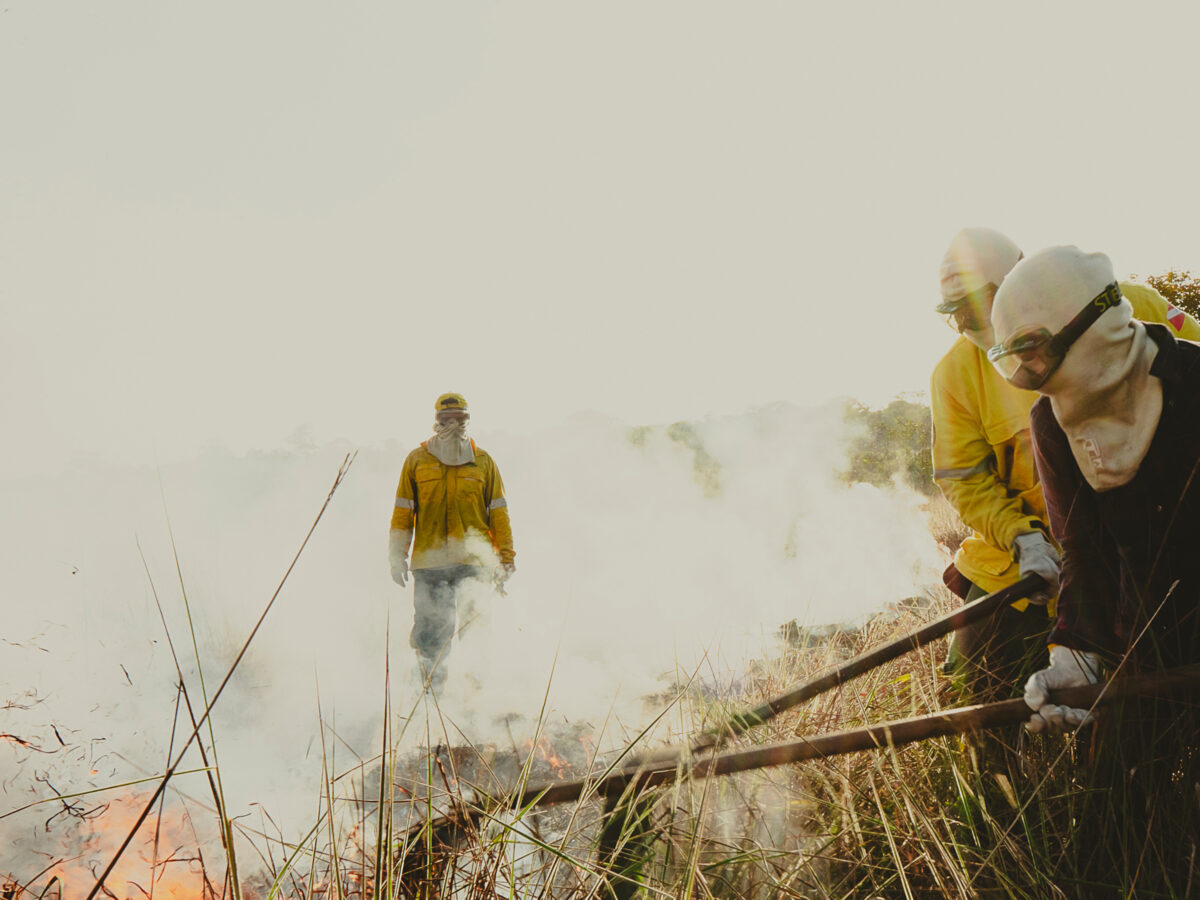
This month, news broke that El Niño has officially begun. Scientists predict a strong likelihood that this year’s El Niño, a naturally-occurring climate phenomenon driven by warmer-than-average sea surface temperatures in the Pacific, will intensify into a super El Niño, with ocean temperatures spiking at least 2°C above normal. It will arrive in a world already pushed to its warming limits.
For the Amazon rainforest, that matters enormously. The phenomenon is expected to bring prolonged droughts, declining river levels, heightened wildfire risk, and increased hardship for Indigenous communities. Impacts that, as recently as 2024, proved devastating for the Amazon and its peoples.
When the rivers run dry
When the 2024 El Niño reached the Amazon, it fueled the region’s worst wildfires in two decades and one of the most severe droughts on record. Rivers that Indigenous peoples and riverine communities depend on for food, water, and transportation dried up, leaving thousands of people isolated.
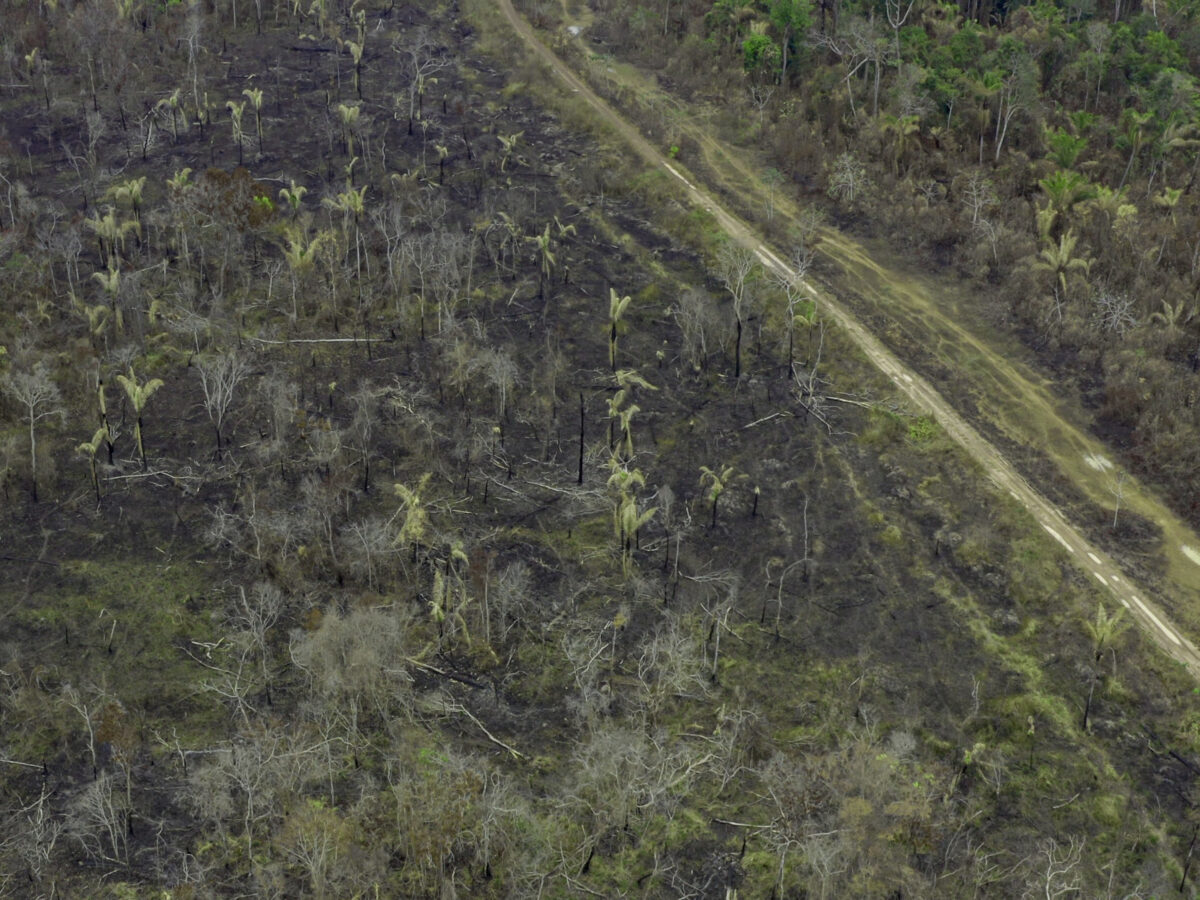
In 2024, more than 17 million hectares of Amazon rainforest – an area roughly the size of Uruguay – were affected by wildfires. Humans started most of those fires, and El Niño conditions intensified them. And while forest degradation driven by wildfires, logging, and drought now affects roughly 40% of the Amazon, during 2024 degradation increased at roughly three times the rate that deforestation declined, abruptly undoing years of hard-won progress to protect the forest.
The fires that rage through the Amazon cause damage that takes decades to repair, releasing enormous amounts of carbon that accelerate climate change. For Indigenous and riverine communities, this is daily life.
“Fires in the Peruvian Amazon have even reached Indigenous territories. Now, in addition to dealing with third-party invasions, we also face forest fires, which are on track to further devastate the Amazon. This is why we have been saying for many years that extractive industries are heating up the planet, and directly affecting Amazonian territories, especially the Indigenous peoples who inhabit the Peruvian Amazon.”
Julio Cusurichi, Shipibo leader and member of the National Council of AIDESEP in Peru
The forests that survive are Indigenous
Every El Niño is dangerous. But this one will arrive in a fundamentally hotter world. The last eleven years have been the warmest on record, and a warmer baseline means the same climate pattern hits harder – intensifying droughts, fires, and ecosystem stress beyond what previous El Niño events produced.
The communities on the front lines of that reality are also the ones least responsible for it. Indigenous peoples have contributed the least to the global climate crisis yet they bear some of its heaviest consequences.
But the forests they manage tell a different and important story. Research consistently shows that Indigenous-managed territories experience significantly lower rates of deforestation and fire than surrounding areas. Indigenous-led land stewardship and community-based fire management reduce wildfire risk, making their governance one of the most effective tools available to prevent fire.
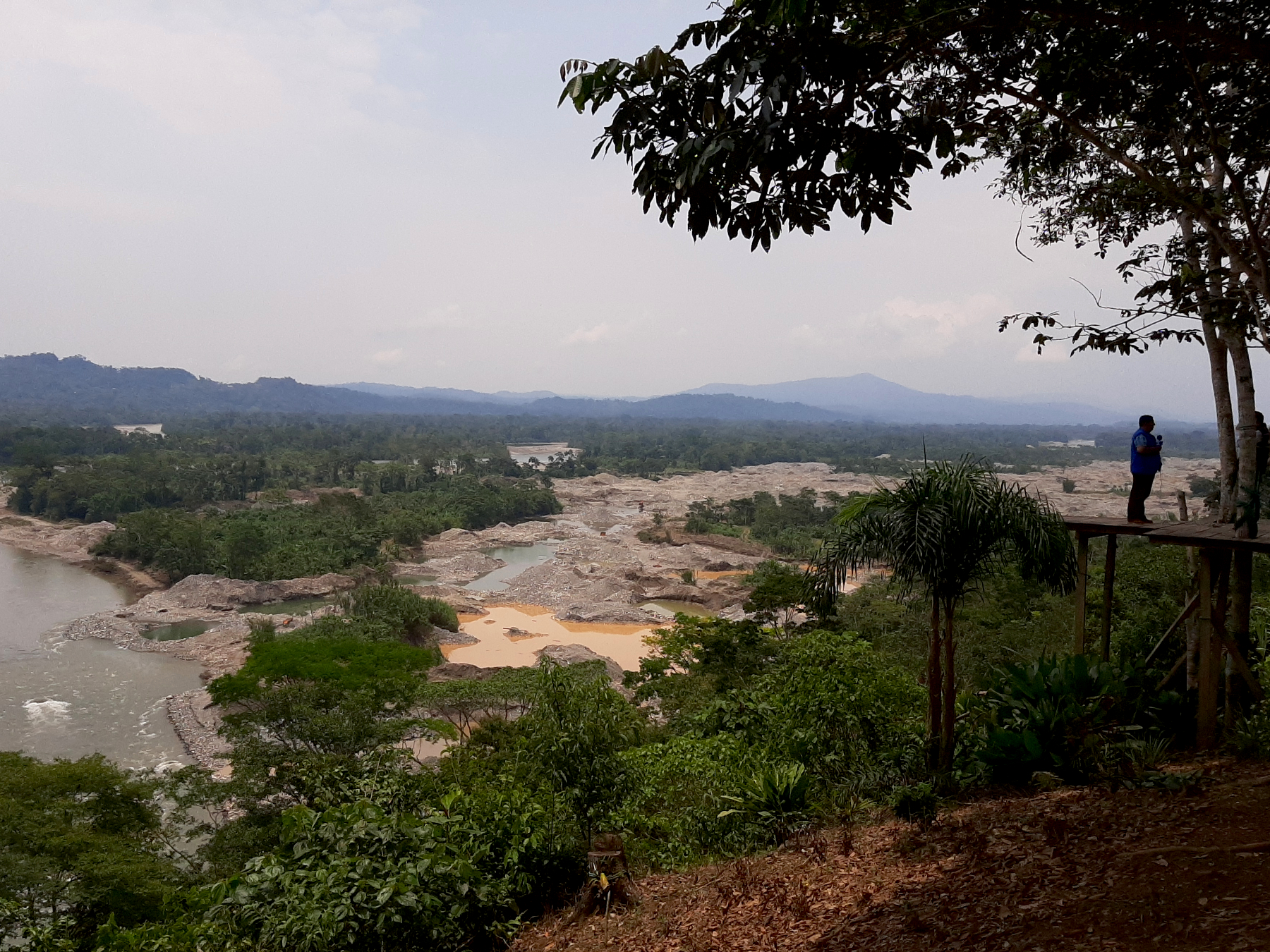
While climate change and El Niño-driven drought create the conditions for fires to spread, it is extractive industries, logging, mining roads, and expanding agriculture that often ignite them in the first place. Securing Indigenous peoples’ land rights addresses both – protecting standing forest from deforestation and preventing the clearing and road-building that provide the spark.
This is not simply an argument. Satellite data support it, peer-reviewed research documents it, and communities live it every day.
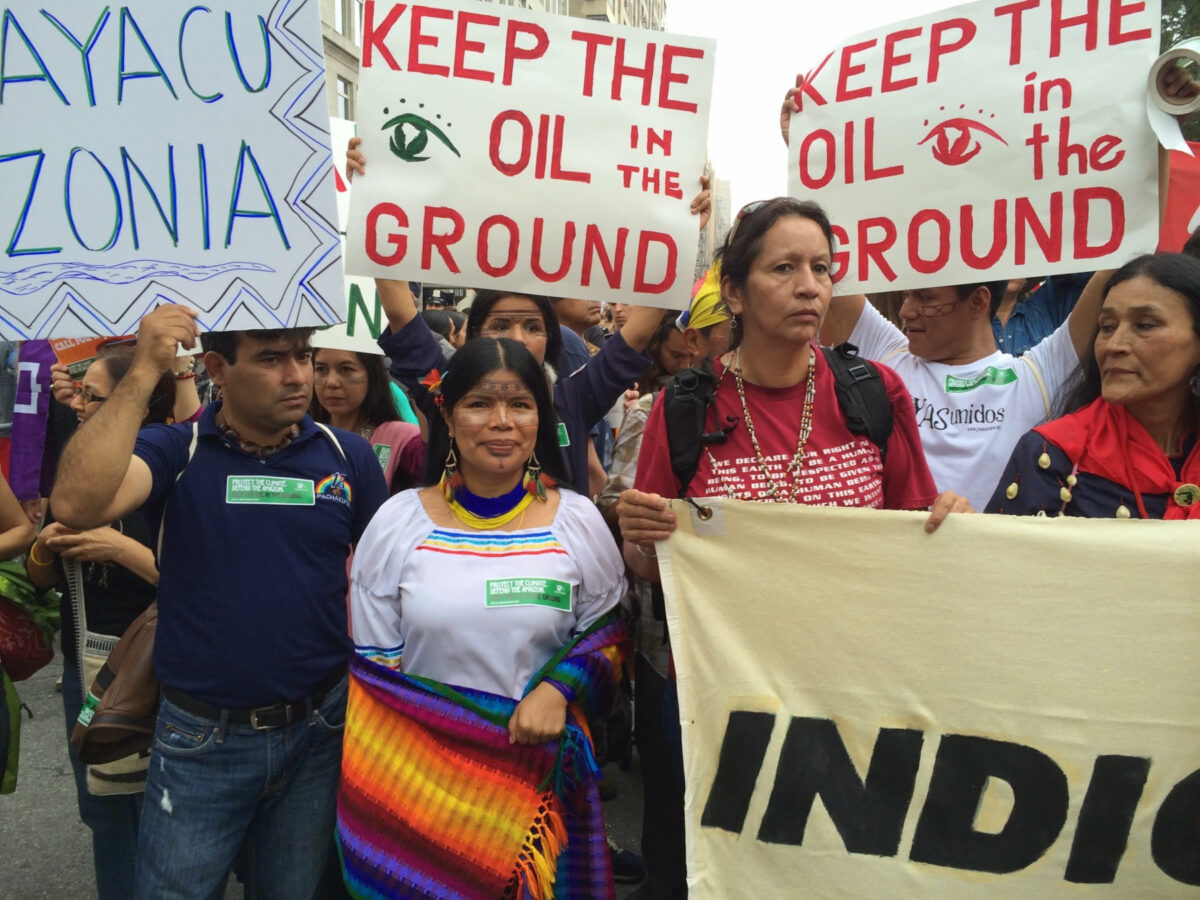
“Indigenous peoples are demanding the right to have their lands demarcated and if they do not succeed, the planet will not endure. The Amazon’s rivers are drying out at levels we’ve never seen, leaving villages without water, and this is all due to climate change. Why climate change? Because agribusiness wants more land for soy and cattle, and miners want to take our land for gold and other minerals.”
Alessandra Korap Munduruku, Goldman Environmental Prize Winner and Coordinator of the Munduruku Pariri Association
Why the world cannot wait
There is a point beyond which the Amazon cannot recover and scientists warn we are moving rapidly toward it. Continued deforestation combined with rising global temperatures could irreversibly transform vast areas of living rainforest into degraded savanna, unraveling the water cycles that sustain agriculture across South America, releasing billions of tons of stored carbon, and pushing the Amazon from a carbon sink into a carbon source.
The world can still change this trajectory, and the window to do so is now, before the fires are already burning. Forest fire activity is likely to be elevated across the Amazon as El Niño develops in 2026, but the most severe impacts will arrive with a lag. This means that the Amazon’s most dangerous fire season may still lie ahead in the second half of 2027.
Amazon Watch has been preparing. During the 2023-2024 fire crisis, we launched an Amazon Fire Response Fund to channel immediate support to Indigenous and local volunteer fire brigades across the Amazon, mobilizing funds for partners in Peru, Bolivia, and Brazil, and providing fire safety equipment, food, water, transportation and support for coordinators on the ground. Through the Amazon Defenders Fund, designed for flexible, rapid-response funding that reaches communities directly without bureaucratic barriers, we are investing in long-term resilience, supporting Indigenous organizations to build capacity for future fire seasons alongside broader solutions to stop deforestation, including land titling and territorial governance.
A future where forests thrive and Indigenous rights are respected is possible. But it requires acting with far greater urgency than the world has managed so far. The Amazon’s defenders are ready. The question is whether the rest of us will stand with them.