
Organized crime is closing in on one of Peru’s most threatened Indigenous reserves. This decision could change that.
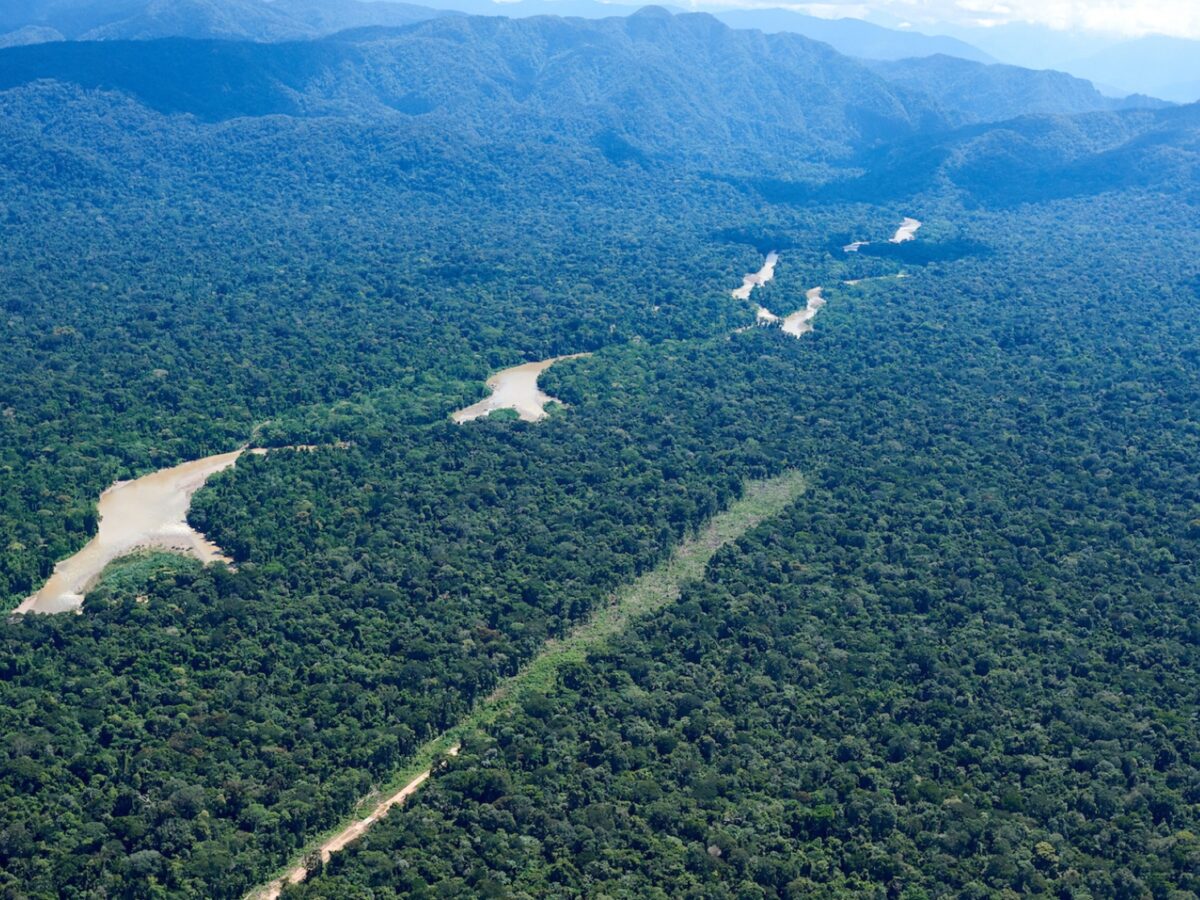
The Inter-American Commission on Human Rights (IACHR) has issued a clear mandate, ordering the Peruvian State to protect the Kakataibo people living in voluntary isolation in the Kakataibo Indigenous Reserve. Spanning the departments of Ucayali, Huánuco, and Loreto, the 149,000-hectare reserve was established in 2021 to protect Kakataibo communities who have chosen isolation since the violence of the rubber boom era. Today, organized crime and illicit economies are closing in on their territory.
This outcome was hard won. Leaders and guards from the Kakataibo Federation took extraordinary risks to make the crisis visible. As narcotrafficking networks expanded deeper into their ancestral forests – opening clandestine airstrips, accelerating deforestation, and threatening their relatives living in isolation – Kakataibo authorities patrolled, monitored, and demanded state overflights to document the illegal activity on their lands. Speaking out publicly exposed them to intimidation and retaliation. Yet they persisted.
Indigenous organizations made this victory possible. The legal teams of the Interethnic Association for the Development of the Peruvian Rainforest (AIDESEP) and the Regional Organization of AIDESEP Ucayali (ORAU) built the case, brought evidence before the IACHR, and secured urgent protection measures for the reserve and its inhabitants, converting years of territorial defense into concrete international action.
The precautionary measures mark the beginning of a new phase. The Peruvian State must now enter into dialogue with Indigenous organizations and the IACHR to define how it will meet its obligations. If it fails to comply, or implements the required measures inadequately, the case can escalate into a formal petition, potentially becoming an international legal claim against the State.
Indigenous forest guardians have long defended these forests with little support. If effectively implemented, these measures can change that – strengthen monitoring, significantly increase coordinated patrols in and around the reserve, and build the kind of state-Indigenous collaboration that can form a real barrier against narcotrafficking incursions, protecting the integrity of the reserve.
The gravity of the situation cannot be overstated. Indigenous peoples living in voluntary isolation are uniquely vulnerable: even brief external contact can expose them to diseases for which they have no immunological defenses. Sustained exposure to illegal activities and state inaction creates conditions that could lead to their physical disappearance. While no explicit intent to exterminate may exist, some legal scholars have argued that such scenarios can amount to a form of “genocide by omission” – a concept that remains debated, but underscores the extreme level of risk these communities face.
The importance of this decision extends beyond human rights protection. The Kakataibo Indigenous Reserve safeguards a vast expanse of Amazon rainforest that plays a vital role in stabilizing regional climate systems, protecting extraordinary biodiversity, and maintaining carbon storage at landscape scale. As deforestation linked to illegal economies continues to advance, protecting the reserve is essential not only for the survival of isolated Kakataibo families, but also for defending one of the Amazon’s most critical climate frontlines.
Precautionary measures from the IACHR carry meaningful legal weight – the State is required to implement them, and failure to comply can trigger international accountability. But experience across the region shows that these protections do not enforce themselves. They require sustained vigilance, coordination, and continued advocacy.
Kakataibo organizations are already preparing for what comes next: pressing the Peruvian government to fulfill its obligations, expand monitoring flights, strengthen territorial control, and support joint patrol strategies with Indigenous guards on the ground. Their leadership remains indispensable.
This decision is a powerful recognition of what Kakataibo communities have long said: defending their territory is defending life itself. With continued support and pressure, these measures can help keep narcotrafficking networks out of one of Peru’s most threatened reserves and protect forests that matter to all of us.