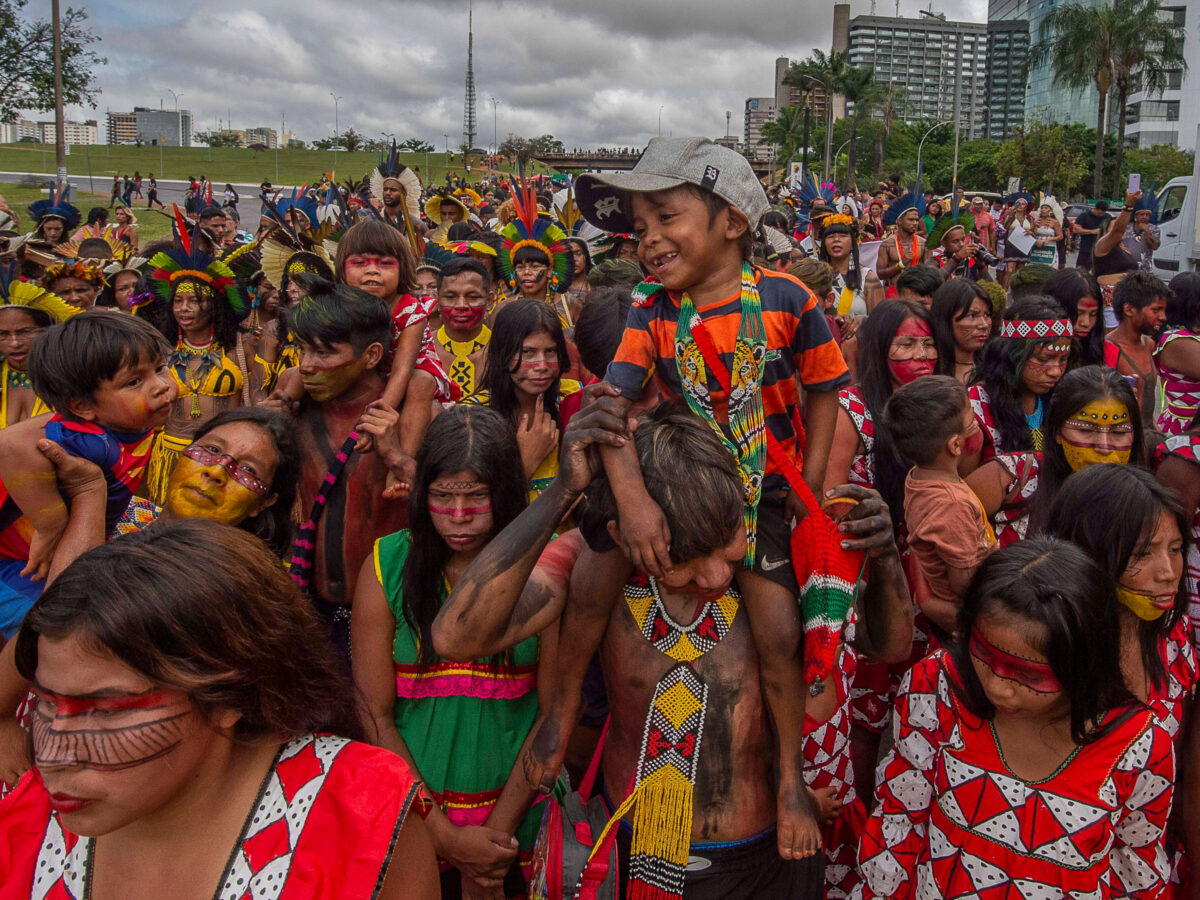
Brazilian voters delivered a historic victory for the Amazon and Indigenous rights on Sunday, October 25, reelecting President Luiz Inácio Lula da Silva and rejecting a return to the devastating environmental policies of the Bolsonaro era.
Lula defeated far-right candidate Flávio Bolsonaro with 51.8% of the vote, securing another four years of leadership that recognizes the importance of protecting the Amazon rainforest and the rights of Indigenous Peoples.
The election prevented a Bolsonaro administration that threatened to dismantle hard-won environmental protections, halt Indigenous land demarcation, and accelerate mining and other extractive projects across the Amazon. It also demonstrated the power of Indigenous and grassroots movements to defend their rights and Brazil’s democracy.
For Indigenous communities defending their territories, and for the thousands of Amazon Watch supporters who stand alongside them, this is a victory worth celebrating. But it is also a reminder of why our collective work remains so urgent.
While Lula’s reelection preserves critical environmental protections and opportunities for dialogue with Indigenous Peoples, a newly empowered far-right Congress threatens to undermine those gains. Powerful interests remain determined to open the Amazon to mining, industrial agriculture, and destructive infrastructure projects.
Indigenous voters overcome barriers to defend their future
Behind the national election results are extraordinary stories of Indigenous determination and organizing.
To vote in the second round of Brazil’s presidential election, 118 members of the Parakanã Indigenous people traveled for a day and a half by river and road to reach Altamira, in the state of Pará. In the first round, many had been unable to reach the polls because of a lack of fuel. Their story, reported by SUMAÚMA, was one of many examples of Indigenous mobilization that marked Brazil’s presidential race. While the country followed polls and debates, Indigenous communities had to address a more basic question before choosing a candidate: how to get to the polls.
Data from Brazil’s Ministry of Indigenous Peoples showed that voter abstention among Indigenous people reached 26%, above the national average. After the first round, when Flávio Bolsonaro – the candidate who had promised to halt Indigenous land demarcations and loosen environmental regulations – finished ahead, Indigenous leaders mobilized their villages, organized transportation, and publicly denounced the difficulties they faced, demanding action from public authorities.
The Ministry of Indigenous Peoples and the Association of Brazil’s Indigenous Peoples (APIB) called on electoral authorities to take action. After repeated demands, a Brazilian court ordered the federal government to provide free transportation, food, and interpreters for Indigenous voters. There was a political reason behind all this effort.
The threat of Bolsonaro’s political movement returning to the presidency made this election particularly important. Under Jair Bolsonaro’s administration, Indigenous land demarcations were halted, environmental enforcement was weakened, and illegal mining expanded into Indigenous territories.
Indigenous mobilization was part of the collective effort that secured Lula’s reelection. It would be impossible to attribute the outcome to any single group, but it would also be a mistake to overlook the organizing efforts of Indigenous Peoples to participate in the election.
The victory preserves channels for dialogue and territorial protection policies restored in recent years. However, that does not mean the problems are solved. Projects that threaten Indigenous territories already had the support of sectors within Lula’s administration, including Ferrogrão, a proposed mega-railway that would cut through the Amazon rainforest to transport grain.
A victory for the Amazon, but serious threats remain
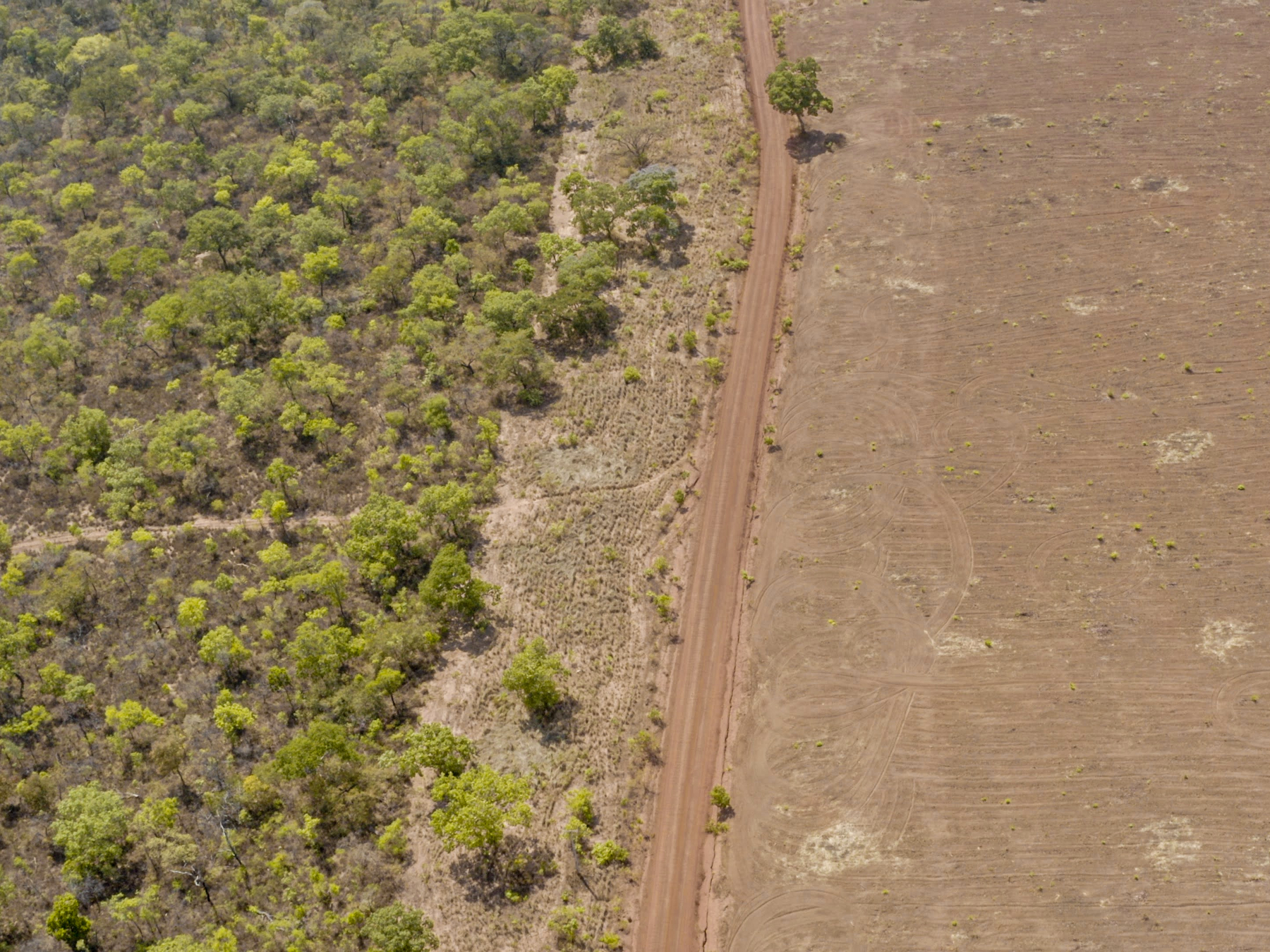
Lula’s reelection also preserves the possibility of building on important environmental gains. According to Brazil’s National Institute for Space Research (INPE), Amazon deforestation fell 41.8% between August 2025 and July 2026, reaching 333,500 hectares, the lowest level since recordkeeping began in 1988.
These gains demonstrate what is possible when governments strengthen environmental enforcement and recognize Indigenous territorial rights. But sustaining that progress will require continued pressure from Indigenous movements and their allies.
While Lula won the presidency, Brazil’s far right strengthened its position in Congress. The Liberal Party (PL) won 121 seats in the Chamber of Deputies and is projected to hold 28 of the Senate’s 81 seats beginning in 2027, making it the largest party in both chambers. Its growing influence threatens legislation that would weaken environmental protections and open Indigenous territories to mining and other destructive industries.
Following the first round, APIB warned that the election had strengthened the anti-Indigenous agenda in Congress and called for intensified Indigenous mobilization.
As Alessandra Korap Munduruku, coordinator of the Munduruku Pariri Indigenous Association and Goldman Environmental Prize winner, warned:
“Lula’s victory prevents a president who promised to halt Indigenous land demarcation from taking office, but our territories are far from safe. We have demanded that Lula’s government respect our decisions and listen to Indigenous Peoples before advancing projects that affect our rivers and forests. Congress has become more dangerous for us, and we must remain organized. Our struggle does not end with an election’s outcome.”
The challenges ahead include accelerating Indigenous land demarcation, combating illegal mining, protecting environmental defenders, and ensuring that major infrastructure and extraction projects respect Indigenous Peoples’ right to Free, Prior, and Informed Consultation.
What Lula’s victory means for the fight against Belo Sun
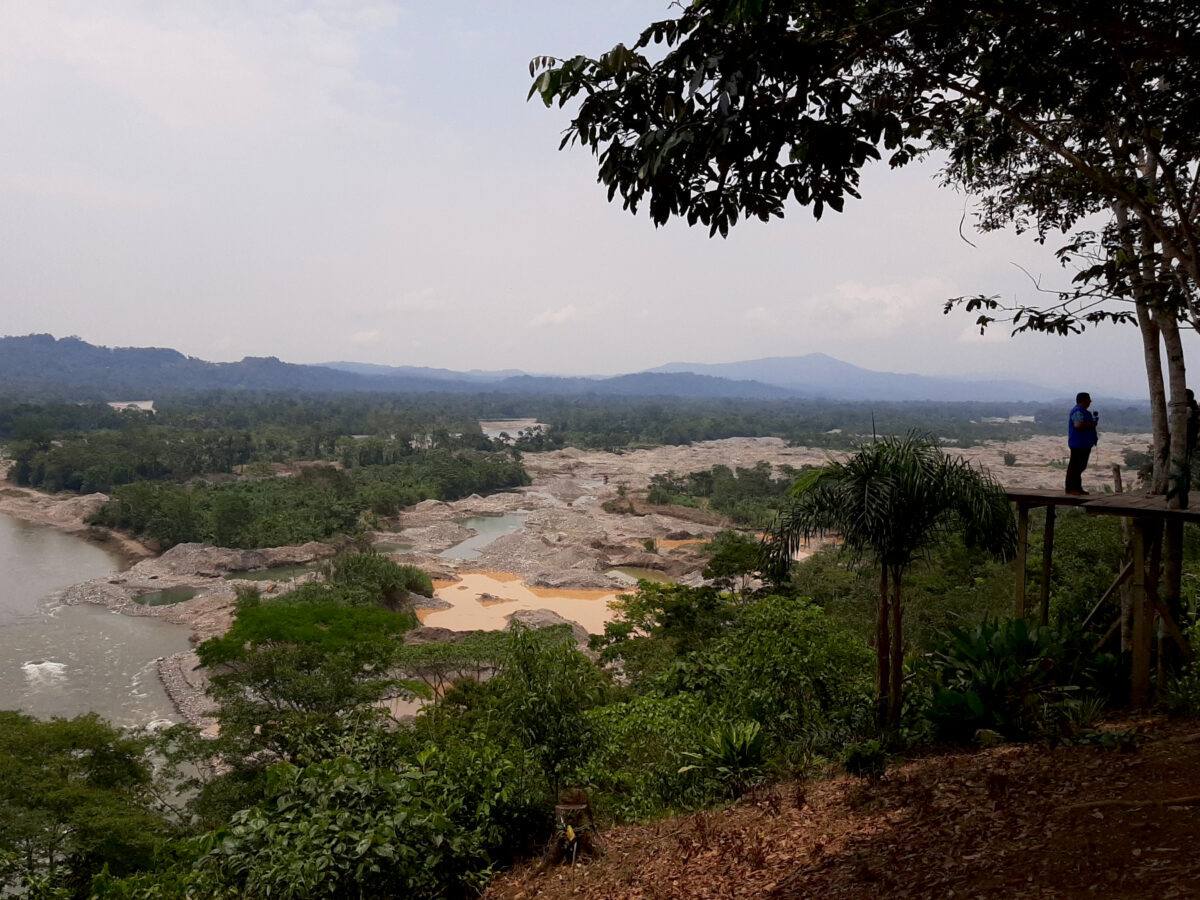
Just days before the election, Indigenous communities in the Xingu River basin celebrated another major victory. On October 19, Brazil’s Supreme Court reinstated the suspension of the installation license for Canadian mining company Belo Sun’s proposed massive open-pit gold mine in the Volta Grande do Xingu.
The ruling followed more than a decade of Indigenous resistance to a project threatening communities in a region already devastated by the Belo Monte hydroelectric dam. It reinforced Indigenous consultation rights and protections against destructive development.
Lula’s reelection is particularly significant for FUNAI, Brazil’s Indigenous affairs agency, which plays a critical role in the mine’s future. At a June 2026 hearing, FUNAI was given responsibility for determining which Indigenous communities must be included in environmental impact studies and protection plans, including those outside formally demarcated territories. A Bolsonaro victory could have weakened FUNAI’s commitment to these requirements, easing Belo Sun’s path forward.
Concerns remain at the state level, where Pará’s environmental agency, SEMAS, oversees the mine’s licensing. The incoming administration’s appointment of Vinicius Borba, who previously represented ranchers accused of illegally occupying Indigenous land, raises questions about enforcement of consultation requirements.
The court’s decision does not permanently cancel the mine, and Belo Sun continues to pursue the project. Continued scrutiny of federal and state authorities will be essential to ensuring that political interests do not override Indigenous rights.
Together, the victories at the ballot box and in the courts demonstrate the power of sustained Indigenous organizing to defend territories and hold governments accountable.
The struggle for Indigenous rights continues
Brazil’s election unfolded amid growing pressure from powerful political and economic interests, including attempts by the Trump administration to expand its influence in Brazil and concerns about the role of major technology platforms in the electoral process. Reports that Meta restricted Lula’s campaign accounts while its algorithms promoted Bolsonaro’s content raised questions about digital interference, although Meta denies interfering in the election.
Despite these pressures, Indigenous communities and grassroots movements helped defend Brazil’s democratic process. Bolsonaro’s rejection of the election results, however, underscores the need for continued vigilance.
And while Lula’s victory prevents a return to the environmental policies of the previous Bolsonaro administration, his government must still be held accountable for projects and policies that threaten Indigenous territories.
Protecting the Amazon requires more than preventing the worst outcomes. It requires respecting Indigenous self-determination, strengthening territorial protections, and ensuring that Indigenous Peoples have a decisive voice in decisions affecting their forests and rivers.
A victory worth celebrating, and defending
For Amazon Watch and our supporters, these developments offer powerful reminders of why sustained solidarity with Indigenous movements matters.
Many of you have contributed recently to support Brazil’s Indigenous movement, helping strengthen the organizing, advocacy, and resistance that make victories like these possible.
The determination of Indigenous voters who traveled for days to reach the polls reflects the same commitment that drives communities defending the Xingu River, resisting destructive mining, and demanding recognition of their territorial rights across the Amazon.
Their courage and persistence show that change does not happen through elections alone. It comes from years of organizing, defending communities, challenging powerful interests, and refusing to abandon the struggle for justice.
Lula’s reelection and the recent suspension of Belo Sun’s mine permit offer reasons for hope. But with a more hostile Congress, continued pressure from extractive industries, and major infrastructure projects threatening Indigenous territories, the work ahead remains urgent.
Amazon Watch will continue standing alongside Indigenous partners as they defend their rights, protect their territories, and demand that Brazil’s government turn its commitments into lasting action.
This victory belongs to the Indigenous movements and communities who organized to defend their future. Our responsibility now is to help ensure that their victory translates into lasting protection for Indigenous Peoples and the Amazon.