Brasília, Brazil – Indigenous communities defending the Amazon’s Xingu River have won a major victory in their decade-long fight against Canadian mining company Belo Sun. On October 19, Brazil’s Supreme Court reinstated the suspension of Belo Sun’s installation license, delivering a significant setback to plans for one of the country’s largest open-pit gold mines.
Chief Justice Edson Fachin found that Belo Sun had failed to demonstrate full compliance with the environmental and Indigenous rights requirements necessary to proceed.
Belo Sun Mining Corp. (TSX: BSX) shares plunged more than 20% at the market open until trading was halted to prevent a crash. The company’s value depends entirely on this one project, so the ruling set off alarm bells for its investors.
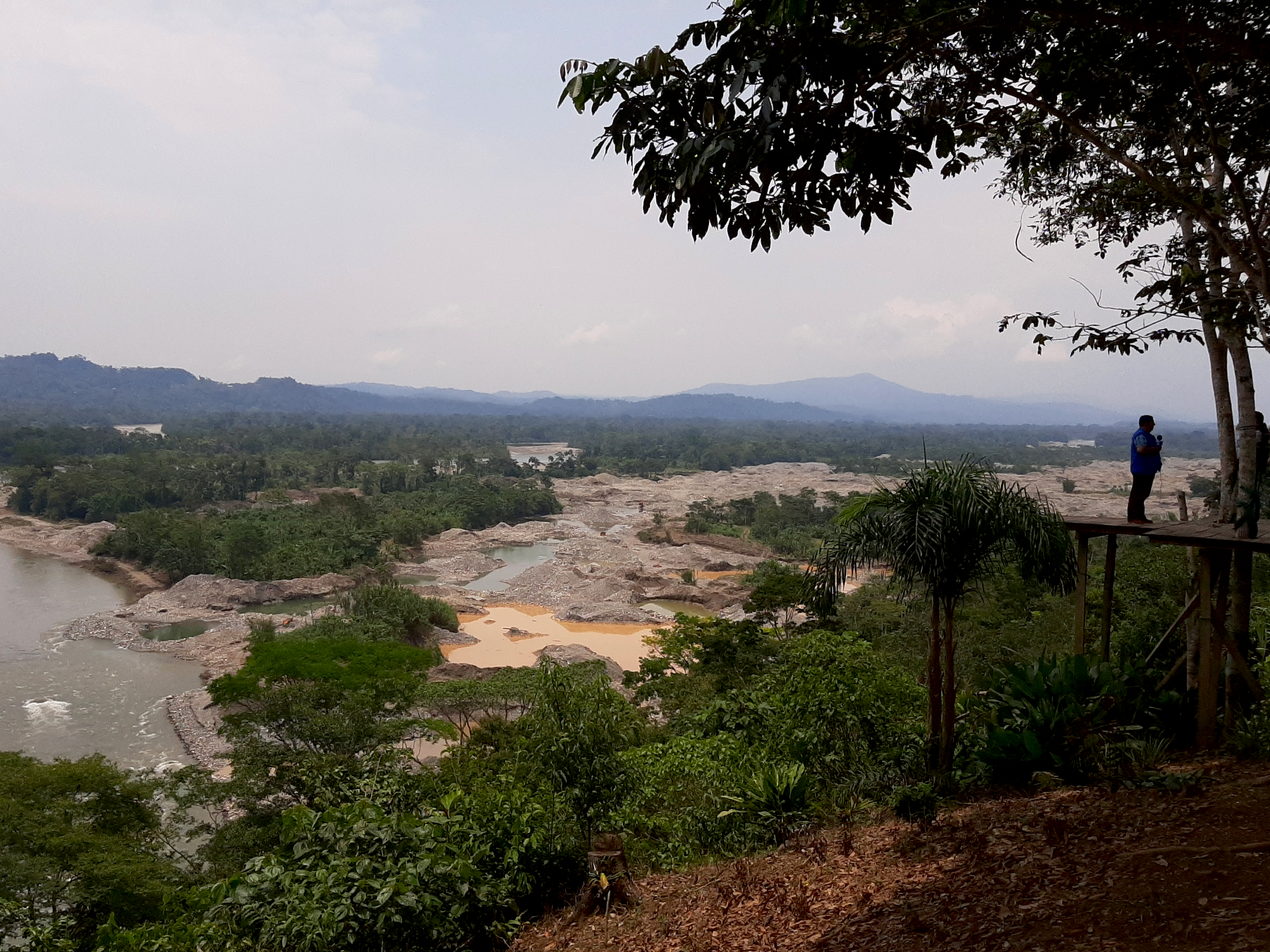
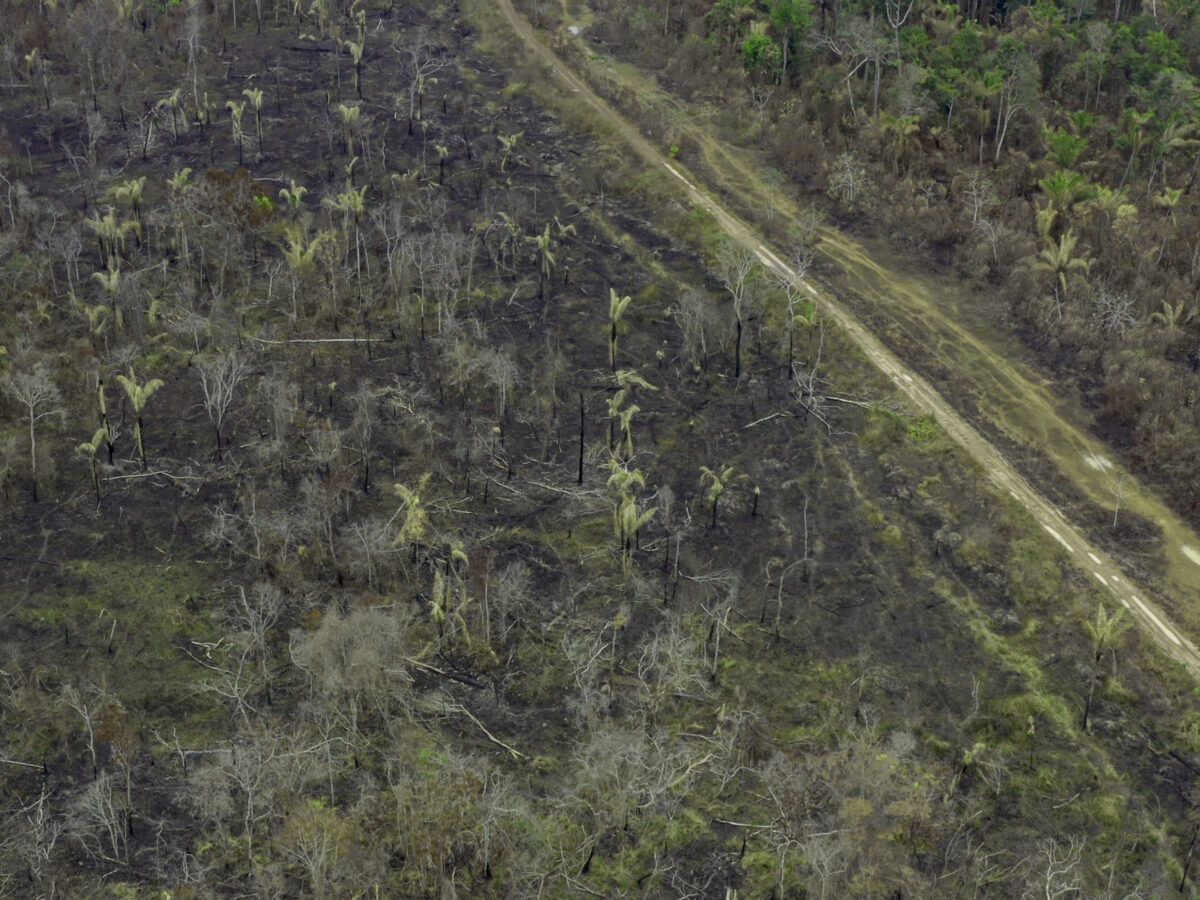
Belo Sun’s proposed Volta Grande gold mine would bring open-pit mining to a stretch of the Xingu River in Pará already profoundly altered by the Belo Monte mega-dam. Indigenous Peoples and traditional communities warn that the mine would compound the dam’s grave impacts on the region, threatening their territories, livelihoods, and ways of life.
The Alliance for the Volta Grande do Xingu, a coalition opposing the mine, hailed the ruling as a victory for Indigenous resistance. The coalition warned that the stakes extend beyond the Xingu: allowing major projects to proceed without protecting Indigenous rights could weaken safeguards across the Amazon.
“This victory comes at a particularly concerning moment for Indigenous rights in Brazil,” the Alliance said in its statement. “The far right’s gains in the 2026 elections have strengthened factions in Congress committed to weakening environmental safeguards and opening Indigenous lands to mining.”
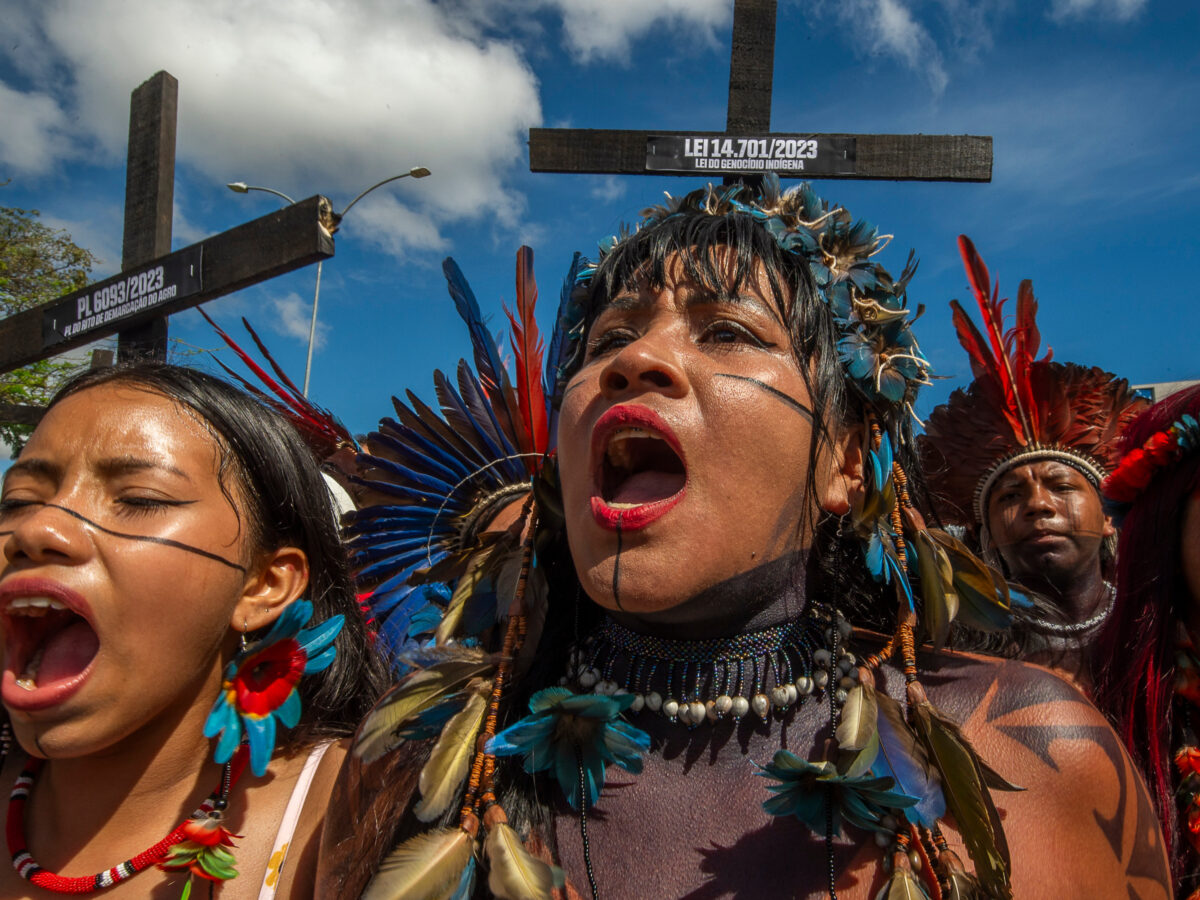
“Now we have gained time to organize, grow stronger, and show the world that what this mining company is saying is a lie: we were not consulted,” said Eliete Juruna, a leader of the Middle Xingu Indigenous Women’s Movement. “There are Indigenous people here resisting and demanding that our territory remain free from mining. Belo Sun, out!”
Indigenous women have kept pressure on authorities. In February, more than 140 demonstrators occupied a regional FUNAI office to demand the revocation of Belo Sun’s permit.
The ruling represents a setback for the Toronto Stock Exchange-listed mining company. Belo Sun had regained its installation permit through a February court decision. In April, the company told investors that the permit would remain valid until 2029. In September, the company reaffirmed its confidence in the project’s legality. The Supreme Court’s decision reverses that permitting gain and puts unresolved environmental and Indigenous rights requirements back at the center of the project’s future.
Fachin identified persistent gaps in studies of the mine’s impacts on Indigenous Peoples and unresolved questions about free, prior, and informed consultation, a right recognized under International Labour Organization (ILO) Convention 169 and under the United Nations Declaration on the Rights of Indigenous Peoples (UNDRIP). Brazil’s Indigenous affairs agency, FUNAI, identified inadequate coverage of Indigenous communities in the studies and insufficient assessment of how the mine and Belo Monte dam would affect the region together.
Legal victory follows international mobilization
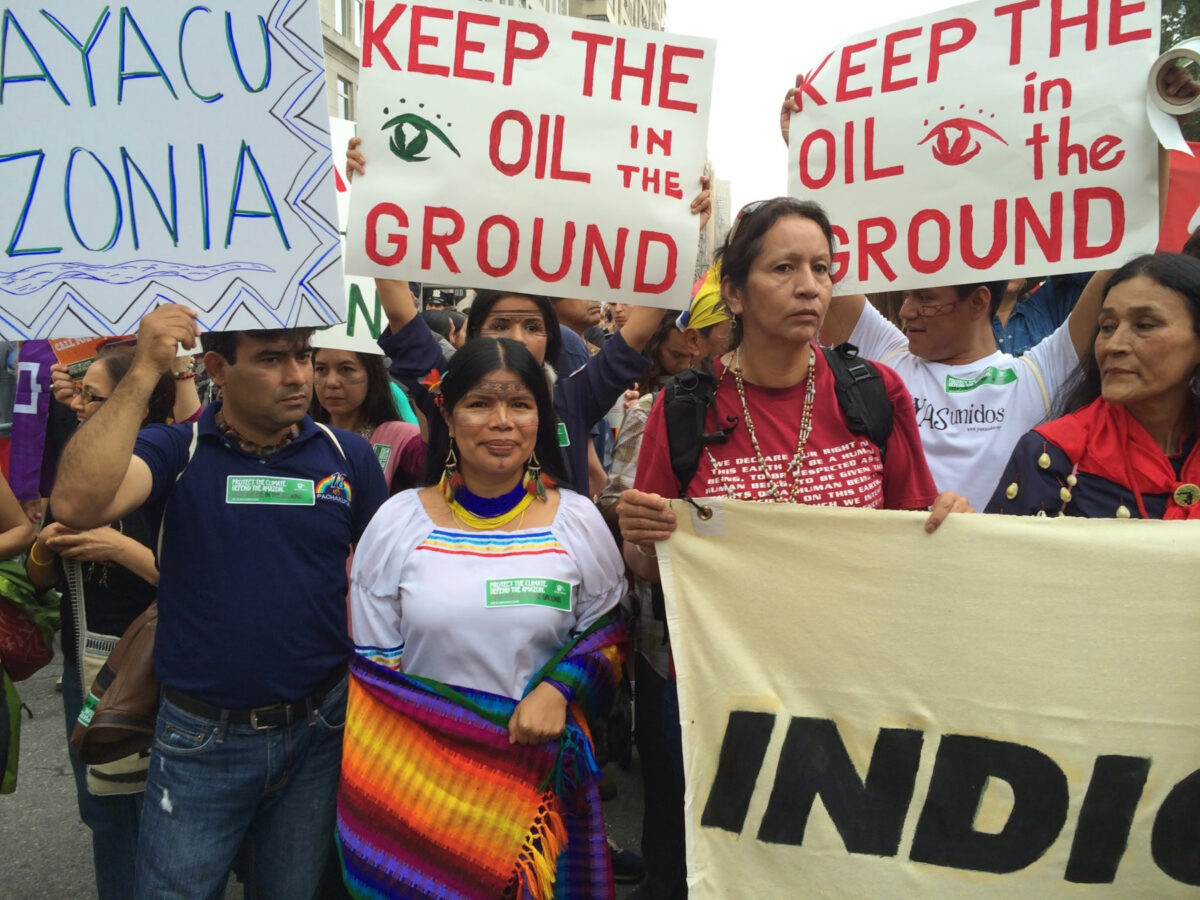
In September, Indigenous leader Juma Xipaia took the fight to Climate Week in New York City, denouncing the project before an international audience. Actor and environmental activist Leonardo DiCaprio amplified her message by sharing a video of the action.
The victory buys communities time, but the legal battle is not over. The suspension is provisional, and its duration depends on whether a federal court approves an agreement now under consideration.
Diogo Cabral, an attorney with the Xingu Vivo Movement, said a settlement allowing the project to resume remains unlikely because of objections from federal prosecutors and unresolved concerns identified by FUNAI.
“Maintaining a permit for Belo Sun would constitute a clear violation of International Labor Organization (ILO) Convention 169,” Cabral said.
Indigenous Peoples and allied organizations insist that authorities must not restore the permit while violations of territorial protections and consultation rights persist.
“FUNAI has maintained that protections must cover all affected Indigenous communities, including those outside formally demarcated territories. Political shifts must not undermine those safeguards or clear a path for Belo Sun at the expense of Indigenous rights. This victory demands continued vigilance: federal and state authorities must uphold Indigenous rights, not bow to pressure to advance the mine,” said Ana Alfinito, Amazon Watch Brazil Legal Advisor.