Belém, Brazil – Thursday, October 1, is the deadline for the Trump administration to respond to questions from 31 members of the U.S. Congress about its actions regarding Brazil’s elections. Led by Democratic Representative Delia Ramirez of Illinois, the lawmakers’ letter asked whether Washington will respect the electoral process and recognize the results that Brazil’s electoral authorities certify. The deadline falls just days before the first round of voting on October 4. Candidates include President Luiz Inácio Lula da Silva, who is seeking reelection, and Senator Flávio Bolsonaro, who has maintained a series of contacts with members of the Trump administration in recent months.
The lawmakers’ concerns echo a report by the Brazilian Intelligence Agency (ABIN) warning of the risk of U.S. influence or interference in Brazil’s elections and of a possible escalation of U.S. pressure on the country.
Trump hosted Flávio Bolsonaro in the Oval Office in May. Flávio is the son of former President Jair Bolsonaro, who went to prison following a conviction for an attempted coup. According to Reuters, their meeting included discussions on tariffs, organized crime and interest in rare earths and critical minerals. Trump also hosted Lula at the White House that same month as part of a bilateral agenda between the two governments.
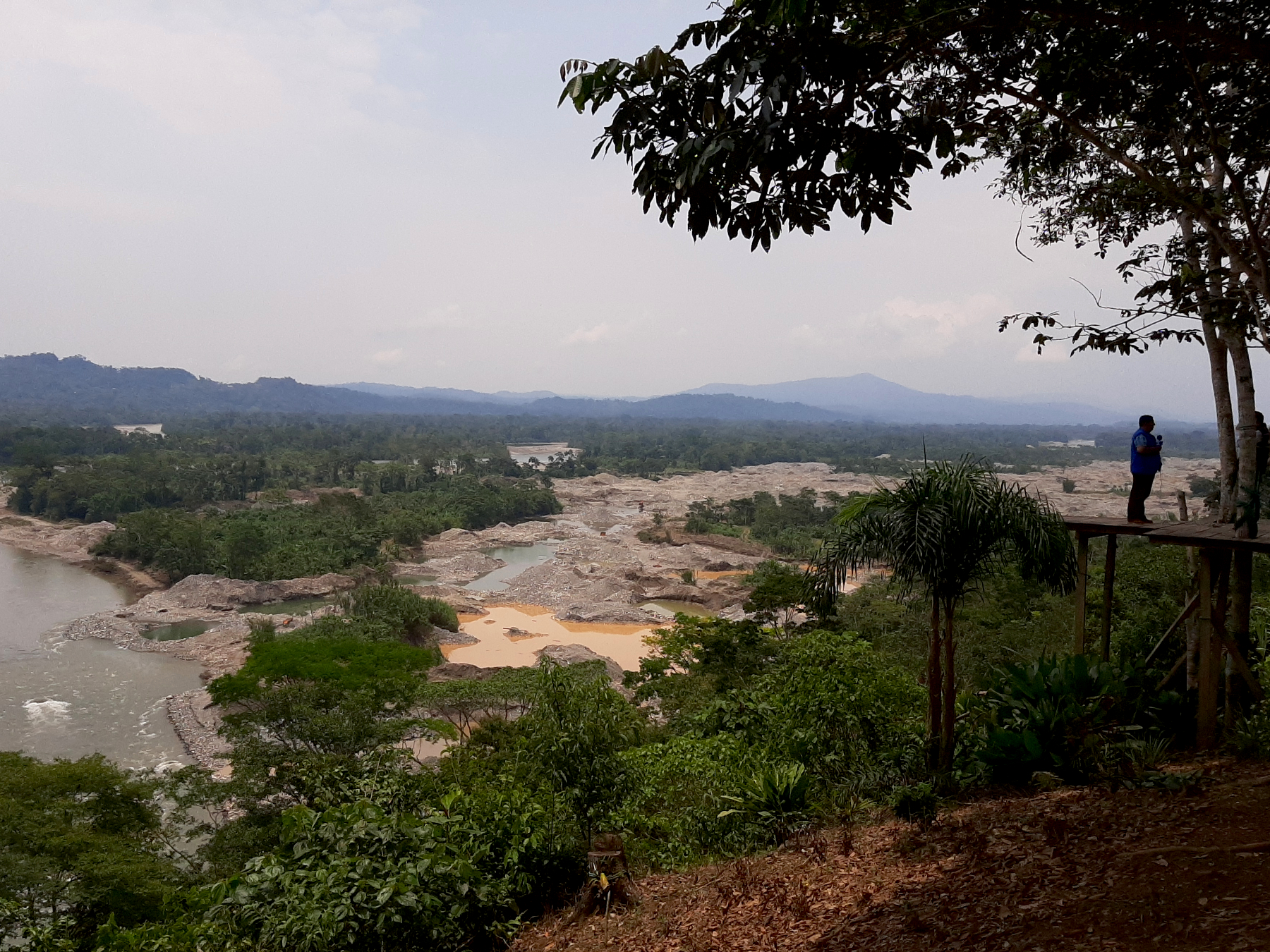
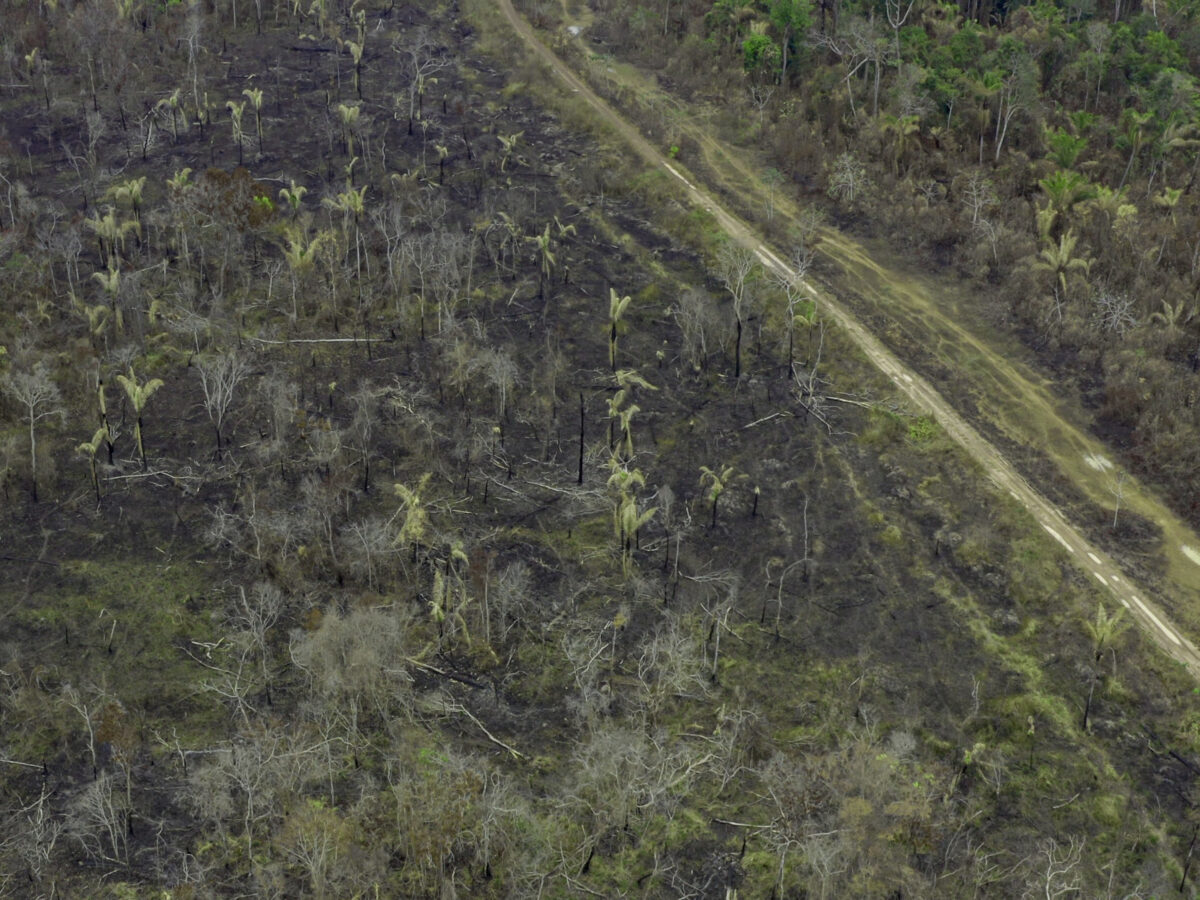
For Amazon Watch, the approaching election demands greater attention to the growing international competition over natural resources and strategic assets, and to what that competition could mean for the Amazon and Indigenous rights. ABIN contends that U.S. efforts to reassert influence in Latin America include keeping rivals, particularly China, away from the region’s strategic assets, natural resources and infrastructure.
“The October 4 election comes at a moment when Brazil will have to decide how to conduct its natural resource policy, with which partners and under which rules,” said Ana Alfinito, legal advisor at Amazon Watch. “The next government will have direct influence over mining, oil, infrastructure, environmental licensing and foreign policy. Candidate Flávio Bolsonaro has already discussed ceding Brazil’s critical minerals directly with Trump during a White House meeting, while the Lula administration has emphasized sovereignty and greater national control over these assets.”
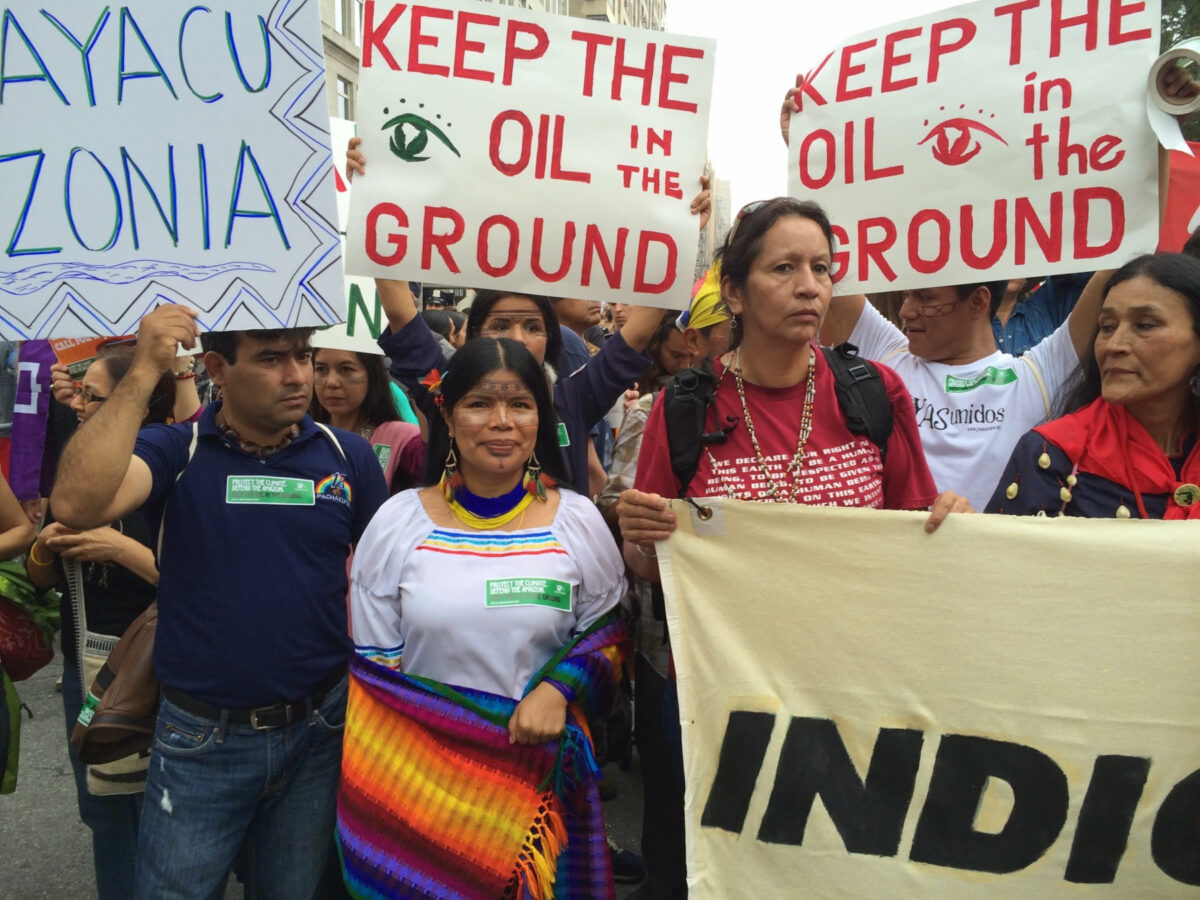
At the center of this dispute are Indigenous Peoples and traditional communities whose territories encompass a significant share of the resources now sought by governments and companies. For the Association of Brazil’s Indigenous Peoples (APIB), any policy involving minerals, oil, or infrastructure in the Amazon must begin with respect for territorial rights and the right to free, prior and informed consultation as enshrined by International Labor Organization Convention 169.
“The Amazon cannot be treated as a strategic reserve available for competition among global powers. Oil, minerals, and infrastructure have concrete impacts on peoples and territories, and the peoples who live in these territories must be at the center of decisions about the future of these resources,” said Alcebias Sapará, Executive Coordinator of APIB.
Access to natural resources has already become one of the priorities of recent U.S. policy toward South America. On August 31, the White House announced a long-term agreement for oil development in Venezuela. According to the U.S. government, the agreement gives the United States majority control over a structure involving more than 65 billion barrels of proven reserves. It also grants governance rights and guarantees access to low-cost oil supplies. The Trump administration described the agreement as part of its strategy to secure U.S. “energy dominance.”
By contrast, Lula has placed national sovereignty at the center of his response to external pressure. Last month, the Brazilian government enacted the National Policy on Critical and Strategic Minerals, which seeks to expand mineral exploration, production, processing and transformation in the country. The new legislation establishes sovereignty, national defense and national interest among its guiding principles, promotes international investment in the sector and creates screening mechanisms for changes in control of companies holding rights over critical and strategic minerals.
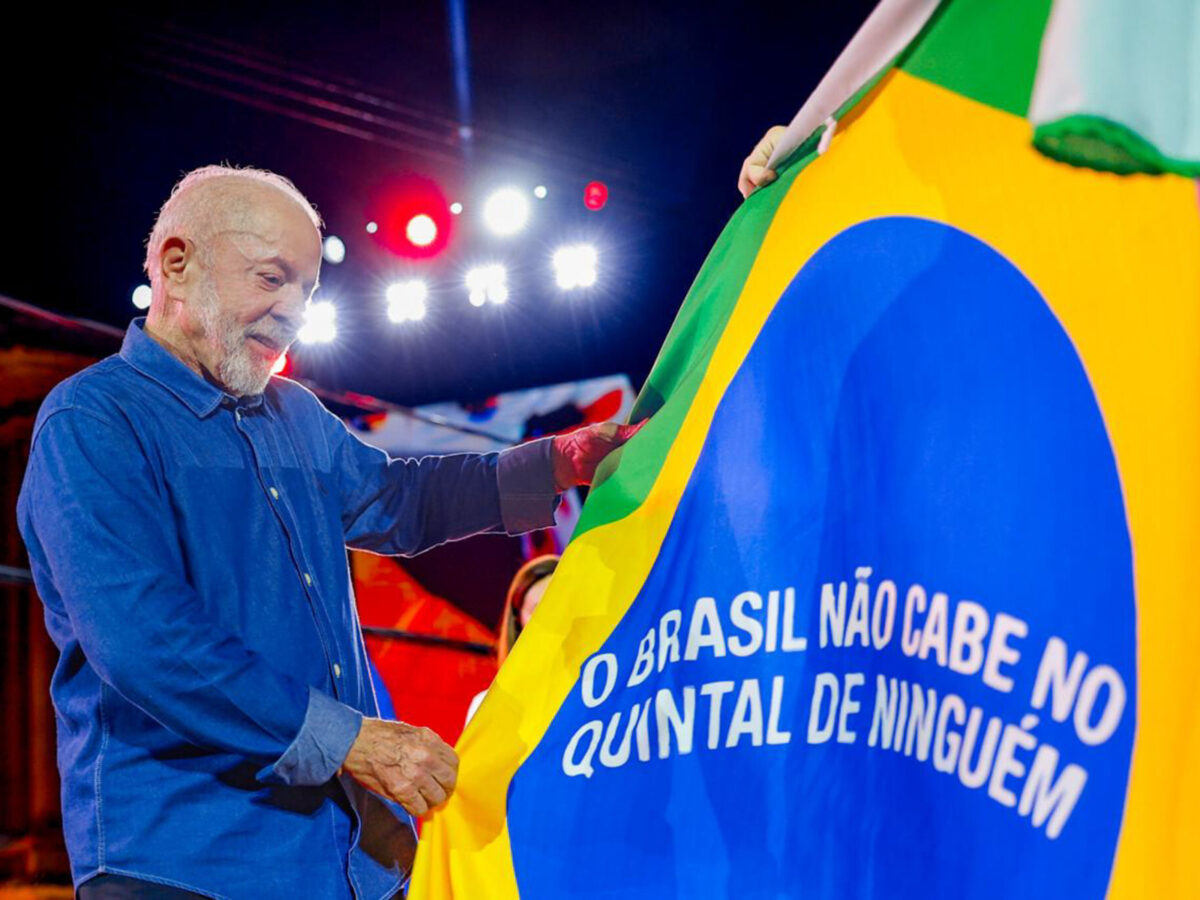
At the United Nations General Assembly on September 22, Lula said that “Brazil does not fit in anyone’s backyard” and criticized foreign interference in electoral processes and attempts to gain control over strategic resources. On Monday, September 28, in Belém, in the northern Brazilian state of Pará, Lula displayed a flag bearing the same phrase and also defended greater national control over the exploration and processing of minerals and oil.