We, the Wampis, know that mercury-based gold mining threatens our rivers, our food, our health, and our future as a people. That is why we organize to prevent miners from entering our territory, despite the risks. In April 2024, we detained eight people and handed them over to the National Police. Three of them were police officers, while among the civilians, four were Ecuadorian and one was Peruvian.
This episode captures what we live every day. We are two Amazonian peoples – the Wampis in Peru and the Inga in Colombia – facing the same threats: illicit economies advancing on our territories and institutions that, instead of protecting us, often arrive too late or end up being part of the problem. Powerful global markets for gold and cocaine are threatening the heart of the world’s largest tropical forest, and the international community is not doing enough to stop them.
That is why we have traveled for days to Vienna, to the Conference of the Parties of the UN Convention against Transnational Organized Crime (UNODC), taking place from October 19 to 23. From here, we demand support for Indigenous peoples in the protection of our territory – because if we protect the Amazon, we protect humanity’s shared future.
What the Wampis protect
Faced with threats like oil extraction, the Wampis established our Autonomous Territorial Government. For us, autonomy is not isolation or confrontation with the state. It is living in peace according to our own forms of organization and caring for the rivers and forests on which our families depend. In 2025, we celebrated ten years of building autonomy for the Tajimat Pujut – the Full Life.
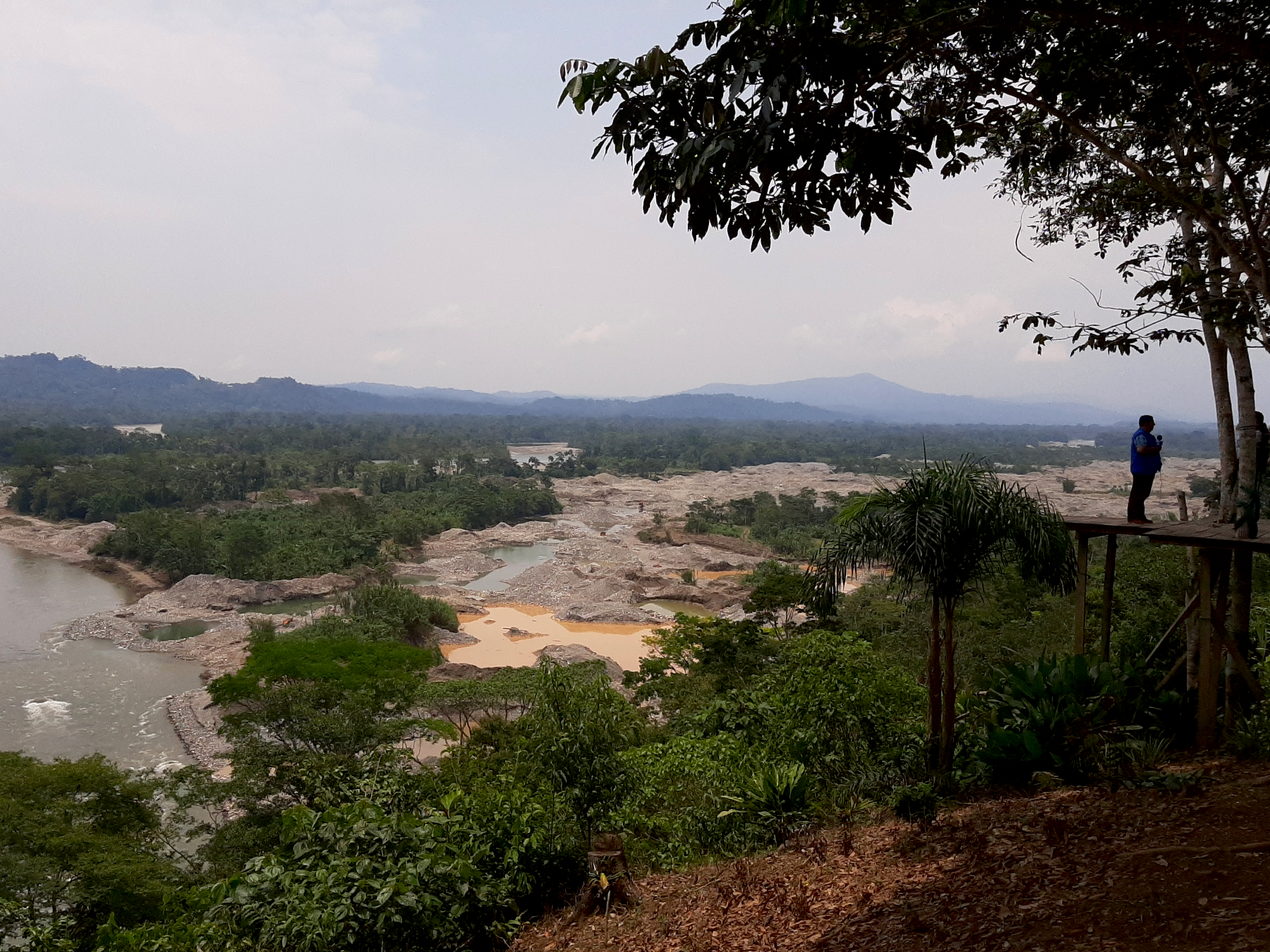
The greatest recent threat is illegal gold mining, which already affects dozens of native communities and more than 250 bodies of water in Peru. In 2024, cumulative deforestation from mining across the pan-Amazon reached 2.02 million hectares. With the dredges come mercury in the water and in the fish, human trafficking, and violence. That is why we decided not to allow them in.
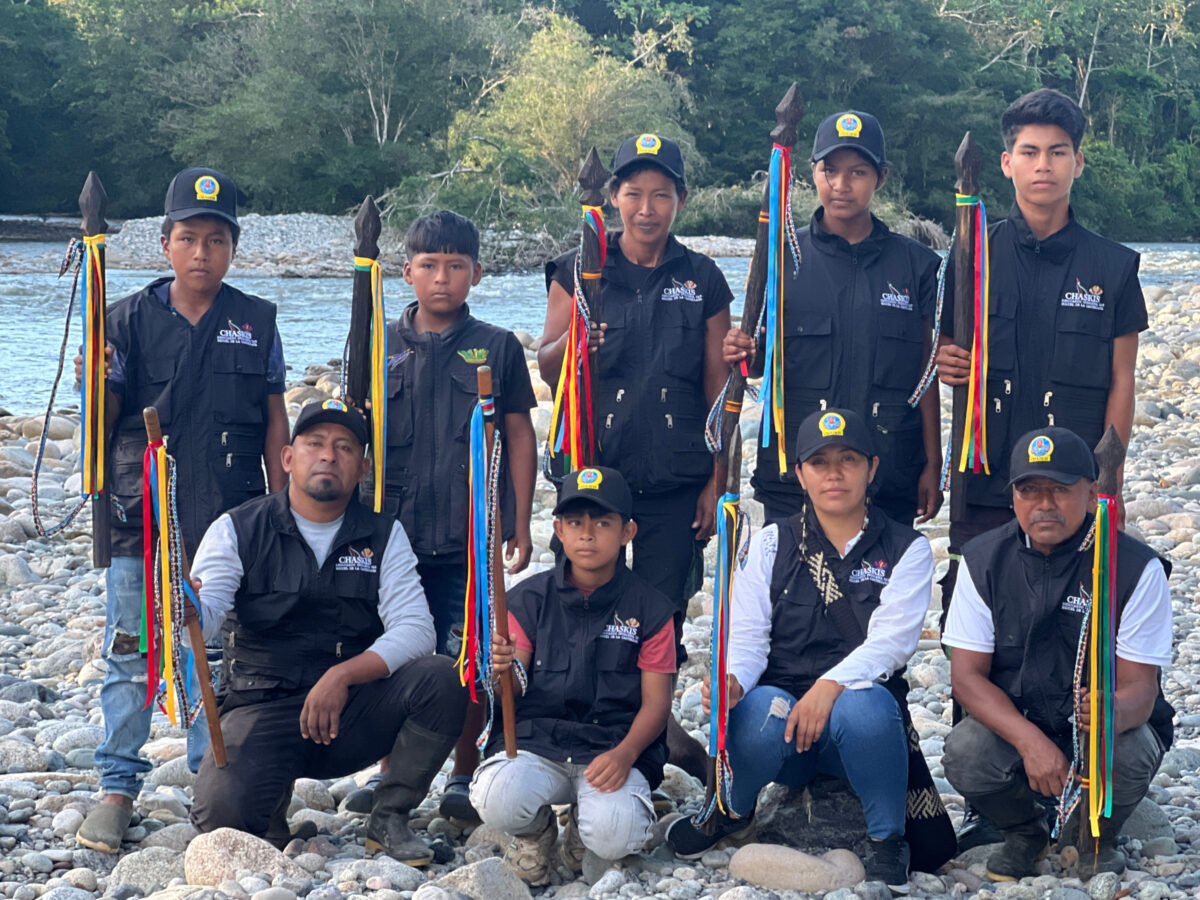
When we speak out, the government’s response arrives late – or not at all. That is why we act through mobilizations, negotiations, and direct actions, involving men, women, and young people. We also have Charip – “the lightning of the river” – our Indigenous Guard, which monitors entry to the territory from two checkpoints on the Santiago and Morona rivers.
Inga: protecting our future
For the Inga people in Colombia’s Putumayo, the situation is even more difficult. We live on the tri-border area of Peru, Ecuador, and Colombia, a territory rich in coca, gold, minerals, and oil – where armed groups, corporations, and state actors compete for control of the land and its resources. The easy money they bring is eroding our own economy, rooted in traditional farming and forest stewardship, and the recruitment of our young people threatens our very survival as a people.
The threats against our leaders sow fear – but we resist. We have organized our guards, territorial monitoring systems, and advocacy strategies, guided by our spirituality. Even so, the government’s response remains deeply insufficient.
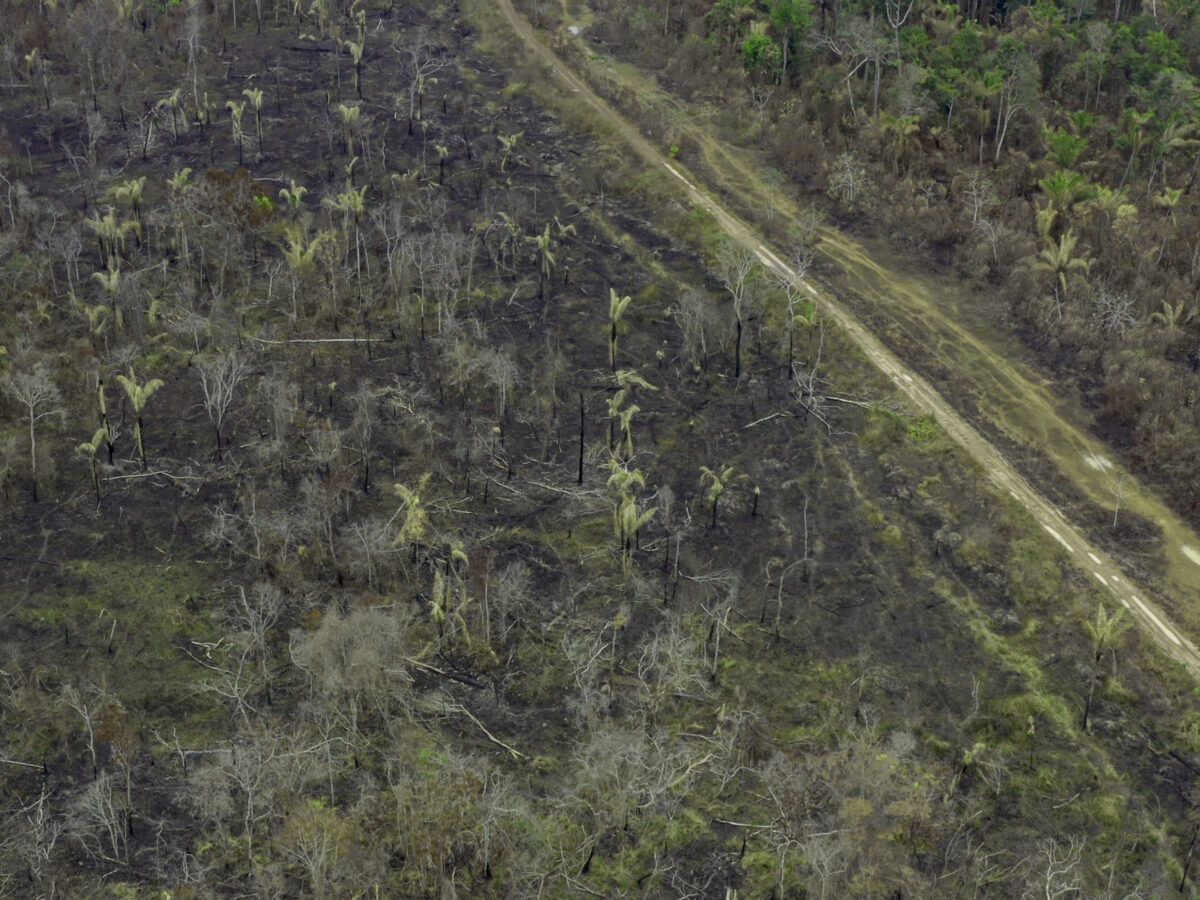
The government has also caused displacement and death in our territories. Today we are concerned that the new government plans to resume aerial fumigation, now with glufosinate ammonium. We have already lived through how glyphosate damages our health, our crops, and our rivers. Instead of returning to failed war strategies, we need respect for the rights and territories of our peoples.
Failed responses
What is happening in our territories is playing out across the Amazon: existential threats to our communities, with particular impacts on our children and women. The roots of this humanitarian and environmental crisis lie far from here. Soaring international gold prices are driving illegal mining into new rivers. The demand for cocaine in the United States, Europe, and Brazil makes no crop more profitable than coca. Illicit economies have become one of the gravest threats to our peoples, the Amazon, and the global climate.
Governments tend to respond with high-profile operations, militarization, and the criminalization of those at the bottom – those who scrape coca or wash gold out of necessity or under threat. These responses generate headlines, but they don’t change reality. Those who truly profit are rarely touched: gold buyers, input suppliers, financiers, and money launderers. And while criminal networks cross borders with ease, policies stop at them.
Those of us who resist – who know and care for these territories better than anyone – receive insufficient support and are not consulted. We are even criminalized, or our territories are militarized.
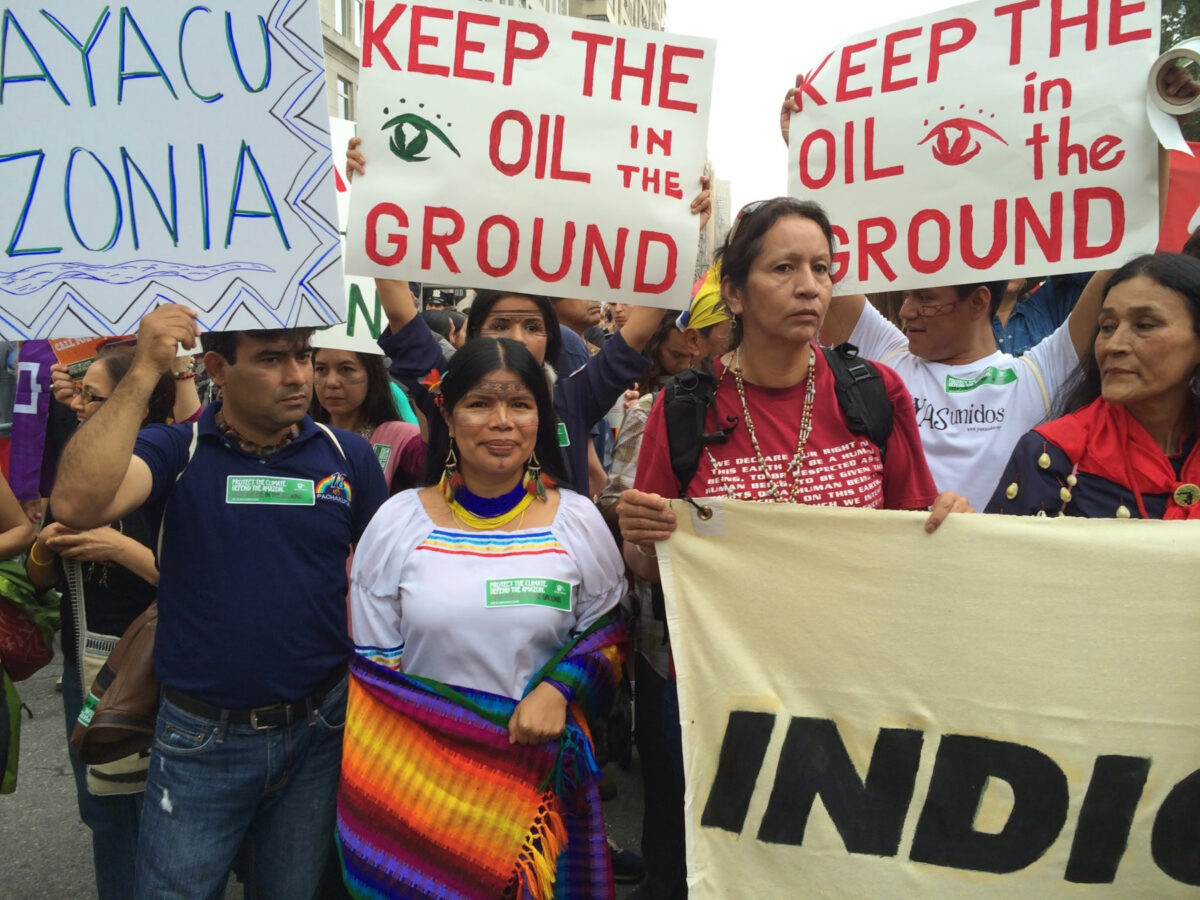
That is why we have come to Vienna alongside Indigenous representatives from Brazil, Ecuador, Colombia, and Peru. In the Pucallpa Declaration of February 2026, we affirmed that the Amazon is in crisis due to extractivism, illicit economies, and the failed policies of governments. We need an approach that places peoples at the center and tackles structural causes. We are calling for three concrete things.
First, a formal mechanism for Indigenous peoples’ participation and consultation in UNODC security policies. Second, an international policy against environmental crimes that recognizes and supports our territorial governance, guards, and monitoring systems. Third, targeting the business networks and corruption driving these economies – rather than militarizing our territories. We need gold traceability from mine to market, control of chemical inputs, dismantling of criminal financial networks, and a direct assault on the corruption and complicity of government institutions and officials.
We also demand effective protection for territorial defenders and support for our own economies – the real alternative to illicit economies. We are the Amazon’s first line of defense, often risking our lives. We are not asking others to do it for us: we are asking to have a seat at the table where our future is decided. Because there is no security in the Amazon without Indigenous peoples.
Ingry Mojinajinsoy is president of the Association of Indigenous Councils of the Municipality of Villagarzón, Colombia.
Galois Flores Pizango was vice president of the Autonomous Territorial Government of the Wampis Nation until September 2026, in Peru.