Photos available here. Credit: @caiomota
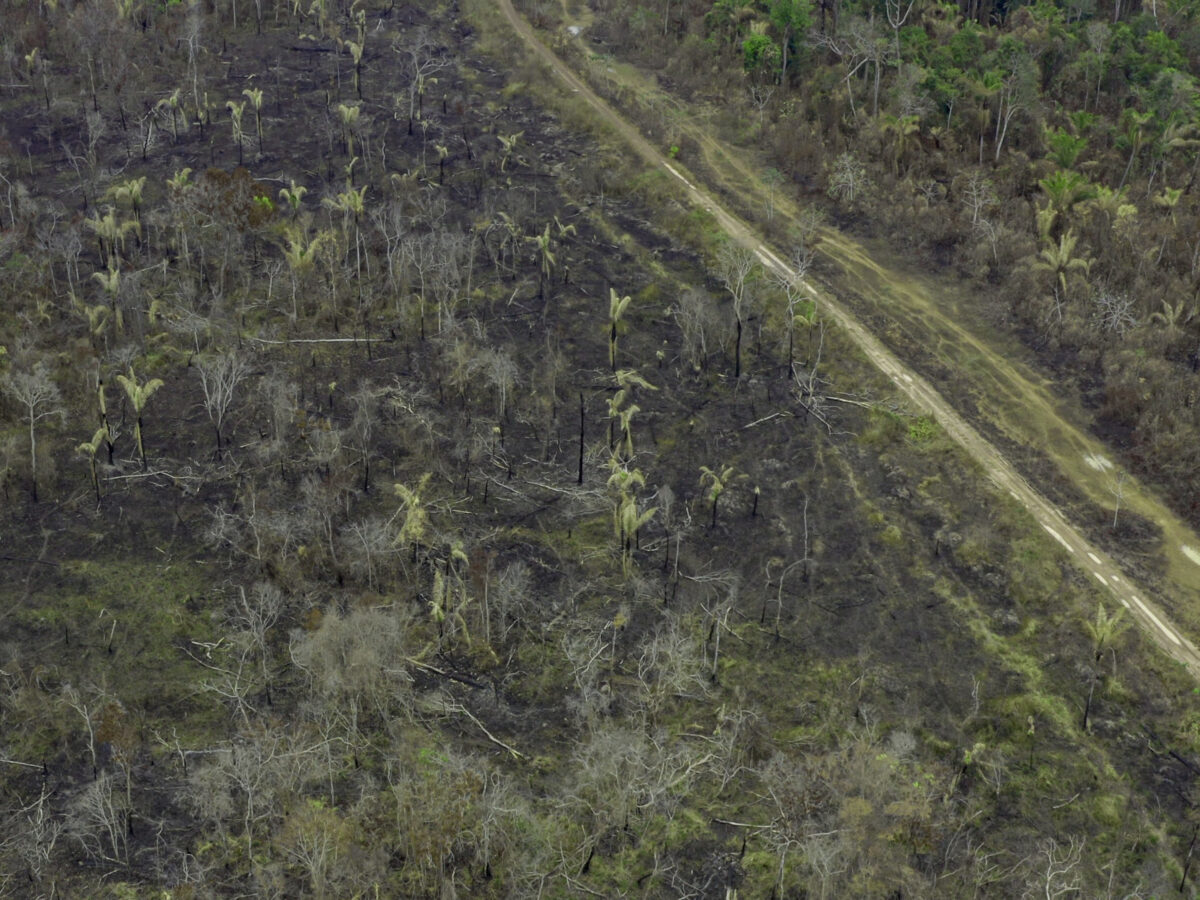
Brasília, Brazil – Brazil’s Supreme Federal Court is set to deliver a series of rulings this week that could fundamentally reshape Indigenous territorial rights and environmental safeguards nationwide. The cases concern the Marco Temporal land rights doctrine, Brazil’s new General Environmental Licensing Law, challenges involving the Amazon Soy Moratorium, and the regulation of mining on Indigenous lands. Indigenous and environmental organizations say the cases are part of a broader dispute over Brazil’s development model. They come amid growing pressure in Congress and state legislatures to weaken territorial rights, environmental oversight, and restrictions on extractive industries and large-scale infrastructure projects.
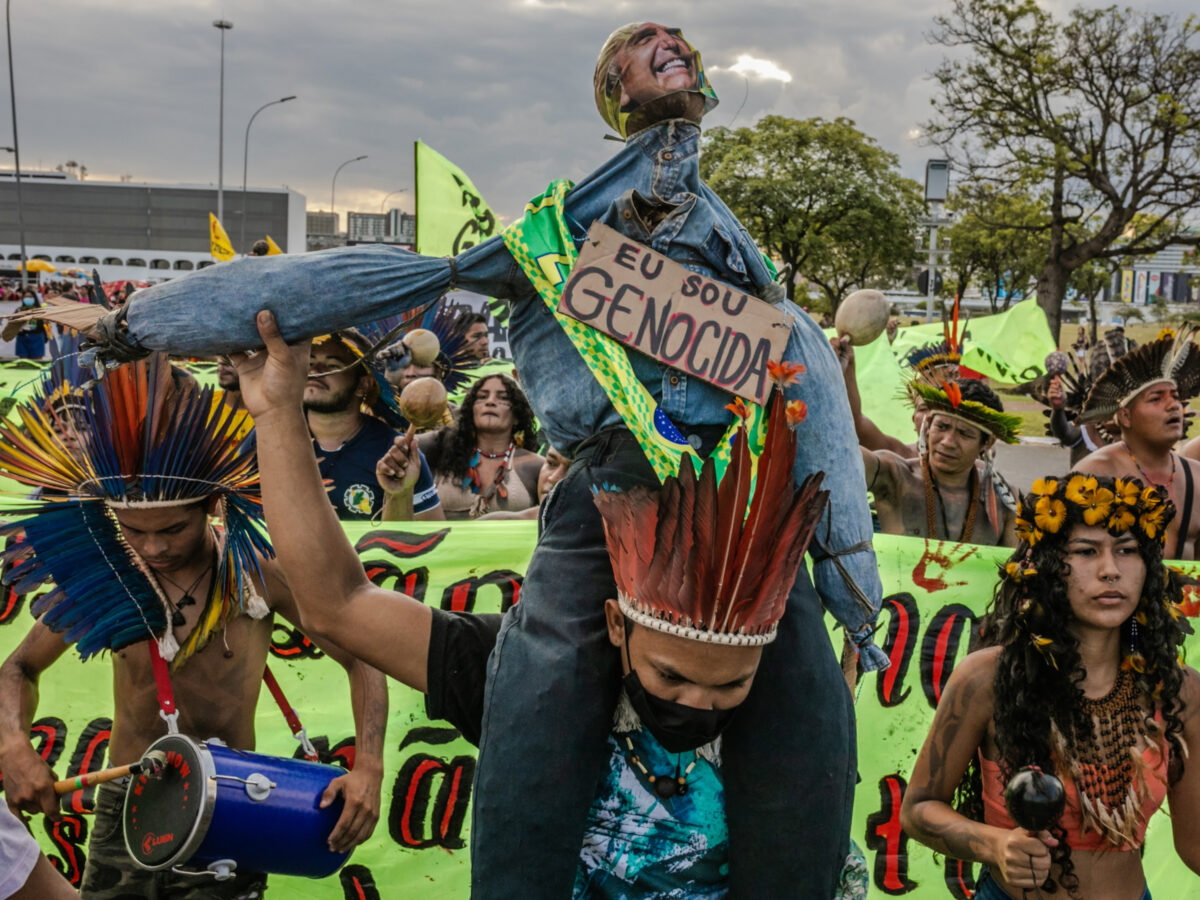
From August 7 to 18, the court’s virtual plenary will take up cases involving the Marco Temporal, or “time-limit” doctrine – a rule that seeks to restrict the recognition of Indigenous lands to territories that were occupied or under formal dispute on October 5, 1988, when Brazil’s current Constitution took effect. Although the Supreme Court has already ruled the doctrine unconstitutional, Law 14,701/2023 established new rules for land demarcation, territorial boundaries, and land repossession. The Indigenous movement is challenging those rules.
On August 12, the court is expected to hear challenges to Brazil’s General Environmental Licensing Law, approved by Congress and in effect since February. Indigenous and environmental organizations consider the legislation the country’s most significant environmental rollback in four decades. The challenged provisions include simplified, self-declared licensing procedures and a Special Environmental License designed to fast-track projects the federal government classifies as “strategic.”
The following day, the court is expected to consider a case involving mining on Indigenous lands. In the proceedings, Justice Flávio Dino ordered Congress to regulate mining within these territories within 24 months, as required by the constitution. Indigenous organizations warn that mining industry pressure could produce legislation that increases territorial invasions, conflict, contamination, and violations of the right to Free, Prior, and Informed consultation.
The court will also consider cases involving the Amazon Soy Moratorium, a voluntary agreement that restricts purchases of soy linked to deforestation in the Amazon. The cases challenge state laws that withdraw tax incentives from companies participating in private environmental agreements in the Brazilian Amazon.
“Taken together, the outcomes of these cases could either weaken or reinforce the safeguards that limit the expansion of mining, agribusiness, and infrastructure into Indigenous territories. The Supreme Court must make clear that labeling a project ‘strategic’ does not place it above the Constitution or the right to Free, Prior, and Informed consultation,” said Ana Alfinito, Legal Advisor at Amazon Watch.
The rulings could affect the legal and political environment surrounding major extractive and infrastructure projects across the Amazon. They include Belo Sun’s proposed gold mine in the Volta Grande region of the Xingu River; Ferrogrão, a proposed railway that would transport soy from Mato Grosso to the Tapajós River; and dredging, port, and waterway projects that would transform Amazonian rivers into industrial export corridors.
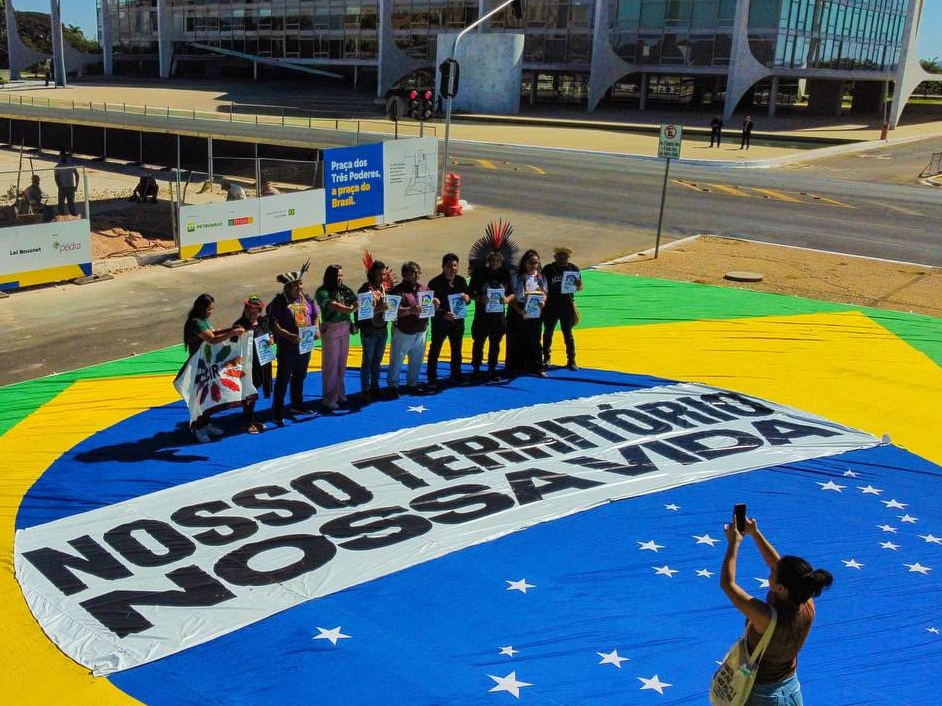
The Supreme Court agenda coincides with the Association of Brazil’s Indigenous Peoples (APIB) launch of “Our Territory, Our Life” (Nosso Território, Nossa Vida), a national campaign created by Brazil’s Indigenous movement and its regional organizations. Indigenous leaders presented the proposal during an August 5 demonstration outside the presidential palace in Brasília and delivered it to President Luiz Inácio Lula da Silva. It calls for the demarcation of all Indigenous lands by 2030 and for territories to be placed at the center of Brazil’s political, economic, and environmental decision-making.
“Our project for life deserves the president’s full attention. Indigenous peoples have a fundamental and urgent contribution to make to the debate over a sovereign and prosperous Brazil, yet once again the government has not treated our agenda as a priority,” said Dinamam Tuxá, Executive Coordinator of APIB. “We remain ready for dialogue and we are mobilized in Brasília to present our vision for the country and resist the Marco Temporal. We are also calling on the Supreme Court to hear the case in person.”