Belém, Brazil – Luiz Inácio Lula da Silva won reelection as Brazil’s president on Sunday, October 25, defeating Flávio Bolsonaro with 51.8% of the vote to 48.2%. His victory preserves environmental protections and dialogue with Indigenous Peoples, but a newly empowered Congress seeking to open Indigenous lands to mining and weaken social and environmental safeguards poses significant challenges to Indigenous rights and Amazon protection.
Lula’s reelection averts a Bolsonaro presidency that threatened to accelerate the rollback of environmental protections and Indigenous rights. It also follows significant environmental progress: Brazil’s National Institute for Space Research (INPE) reports that Amazon deforestation fell 41.8% between August 2025 and July 2026, to 333,500 hectares, the lowest level since recordkeeping began in 1988. Sustaining these gains, however, will require stronger enforcement, territorial protections, and resistance to mounting political and economic pressures.
“Lula’s victory prevents a president who promised to halt Indigenous land demarcation from taking office, but our territories are far from safe,” said Alessandra Korap Munduruku, coordinator of the Munduruku Pariri Indigenous Association, and Goldman Prize winner. “We have demanded that Lula’s government respect our decisions and listen to Indigenous Peoples before advancing projects that affect our rivers and forests. Congress has become more dangerous for us, and we must remain organized. Our struggle does not end with an election’s outcome.”
The far-right Liberal Party (PL) won 121 seats in the Chamber of Deputies and is projected to hold 28 of the Senate’s 81 seats beginning in 2027, making it the largest party in both chambers. The party also won gubernatorial races in Rondônia and Roraima, where incoming governors have promoted mining expansion. Following the first round of voting, the Association of Brazil’s Indigenous Peoples (APIB) warned that the election had strengthened the anti-Indigenous agenda in Congress and called for intensified Indigenous mobilization.
Lula’s next term must prioritize Indigenous land demarcation, combat illegal mining, and uphold Indigenous Peoples’ right to free, prior, and informed consultation on major development projects. Plans for the Ferrogrão railway, expanded shipping infrastructure on Amazonian rivers, and mineral extraction continue to fuel conflicts over their social and environmental impacts.
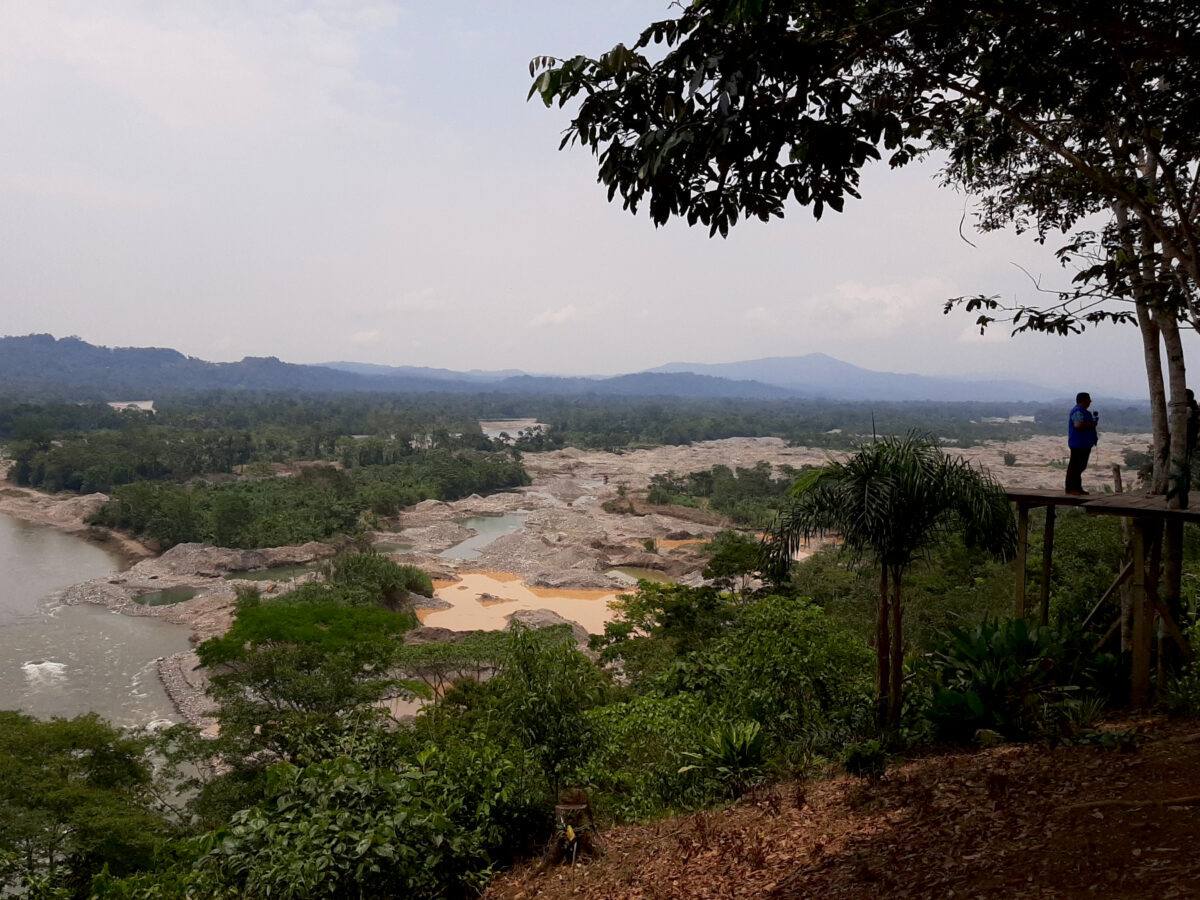
Last week, Brazil’s Supreme Court reinstated the suspension of the installation license for Canadian mining company Belo Sun’s proposed gold mine in the Amazon’s Volta Grande do Xingu. The October 19 ruling reinforced constitutional protections and Indigenous consultation requirements in a region where the Belo Monte hydroelectric dam has already caused severe environmental and social damage.
Protecting the Amazon during Lula’s next term will require concrete commitments to Indigenous land demarcation, stronger protections for environmental defenders, and respect for Indigenous communities’ autonomy.
“Lula’s reelection preserves key avenues for environmental enforcement and dialogue with Indigenous Peoples, but a Congress strengthened by forces seeking to open Indigenous lands to mining and weaken environmental protections remains a serious threat,” said Ana Alfinito, Legal Advisor at Amazon Watch. “The government must defend these protections against legislative pressure and ensure its own infrastructure and extraction projects uphold Indigenous Peoples’ right to free, prior, and informed consultation. Indigenous rights must guide state decisions in practice.”
Lula’s victory also dealt a blow to the Trump administration’s efforts to expand its political and economic influence in Brazil, part of its broader assertion of U.S. dominance across the Western Hemisphere under the so-called Trump corollary to the Monroe Doctrine. The election also raised serious concerns about the influence of major technology platforms. Reports that Meta restricted Lula’s campaign accounts while its algorithms promoted Bolsonaro’s content prompted scrutiny of the company’s role in the electoral process. Meta denies interfering in the election.
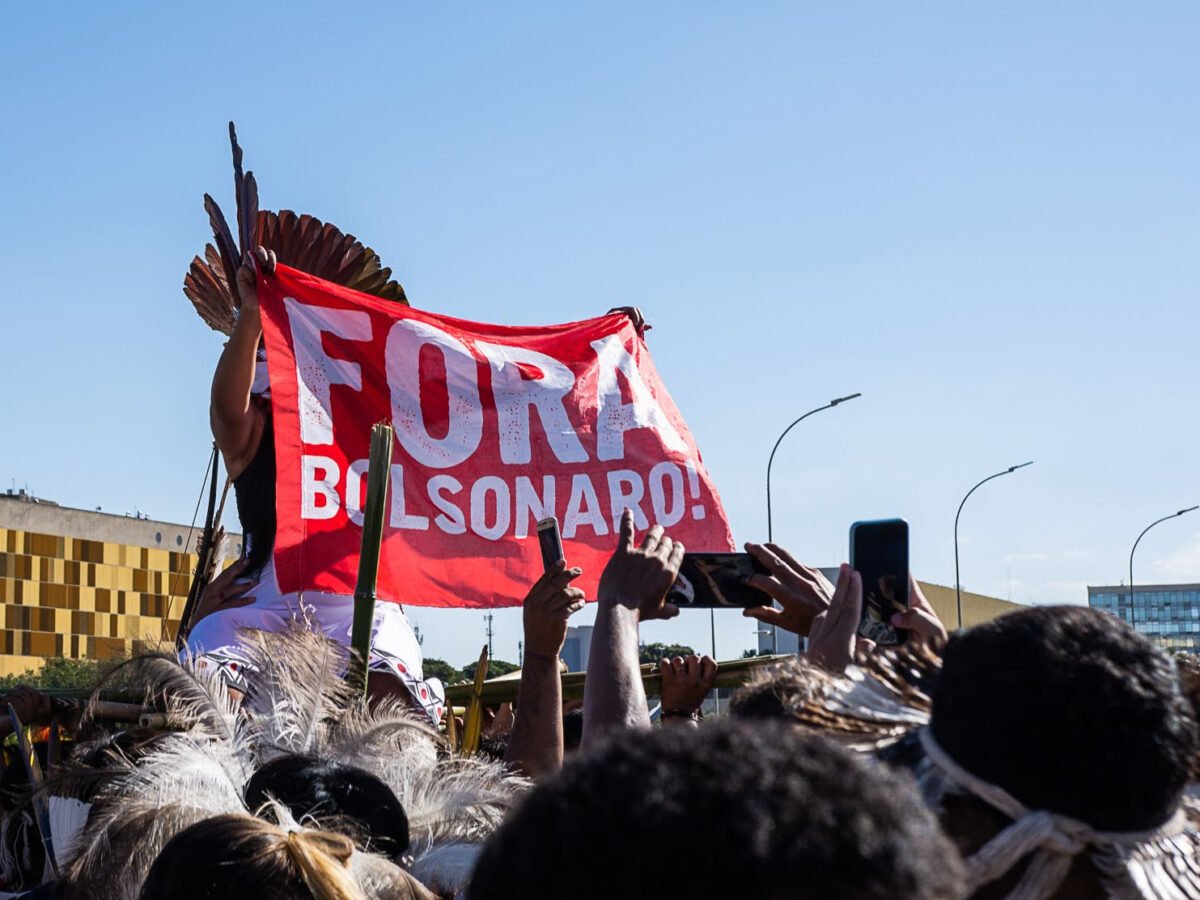
“In the face of the immense political influence of the Trump administration and the financial and digital power of Big Tech, grassroots movements showed that people organizing for democracy, social justice, and the protection of their territories can prevail,” said Christian Poirier, Program Director at Amazon Watch. “Lula’s victory was also a victory for a mobilized Brazilian people who stood up to political interference, disinformation, and algorithmic manipulation to defend their democracy and determine their country’s future. Now, as Bolsonaro moves to deny the election results and challenge the will of the Brazilian people, the threat to democracy is far from over. Trump must refrain from any further interference in Brazil’s electoral process in the critical hours and days ahead. The Brazilian people have spoken, and their democratic decision must be respected.”