

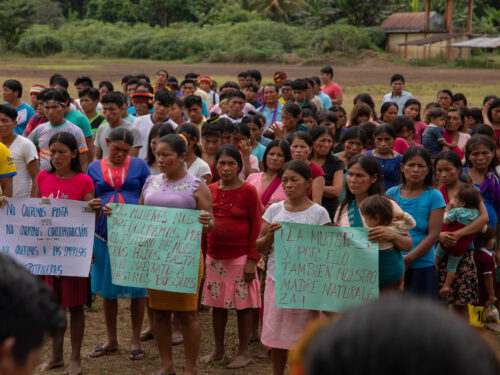
Indigenous Peoples from the Tapajós region blocked the main access road to Santarém International Airport today, escalating a mobilization ongoing since January 22.
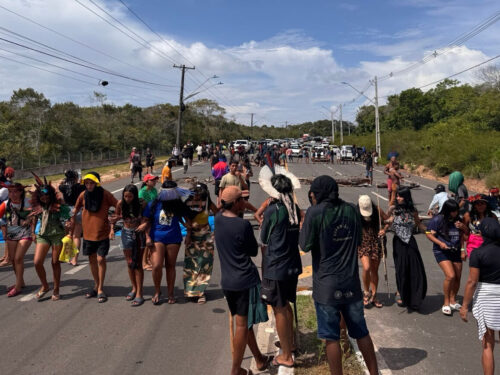
Indigenous Peoples from the Tapajós region blocked the main access road to Santarém International Airport today, escalating a mobilization ongoing since January 22.
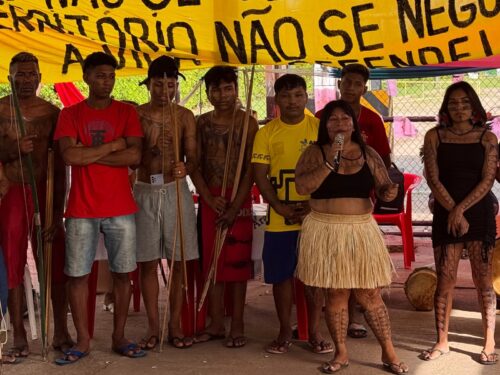
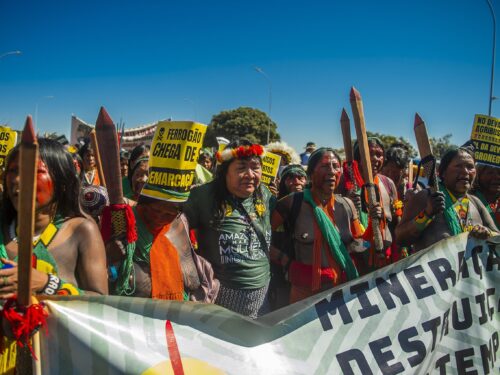
AFP | Hundreds of Indigenous people have been protesting in northern Brazil for two weeks outside the port terminal of U.S. agribusiness giant Cargill, angered over the dredging and development of Amazonian rivers for grain exports.
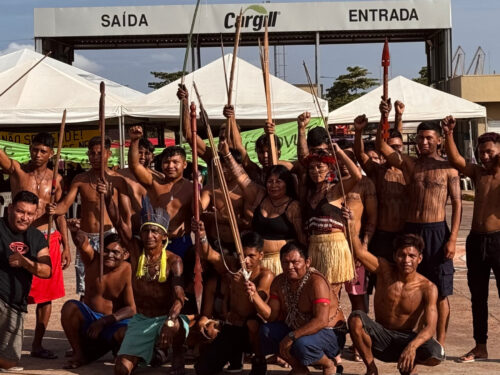
On the 13th day blockading Cargill’s grain terminal in Santarém, Indigenous protestors are demanding in-person dialogue with Brazil's federal government, following its failure to send representatives to a meeting last week.
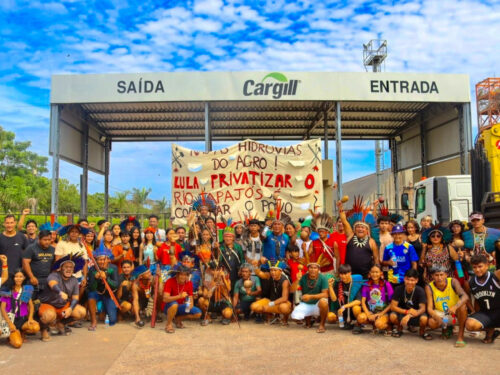
For the past week, Indigenous peoples representing 14 ethnicities from the Lower and Middle Tapajós River region have blockaded facilities operated by agribusiness multinational Cargill in Santarém, protesting industrial interventions designed to accelerate agro-commodity exports.
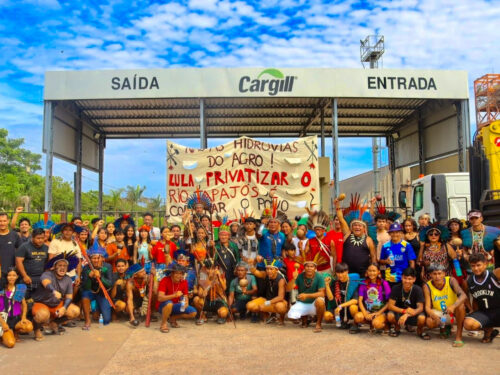
Associated Press | Hundreds of Indigenous people have been protesting for almost a week at a Cargill facility in Brazil against a decree allowing the federal government to consider private concessions for waterways.
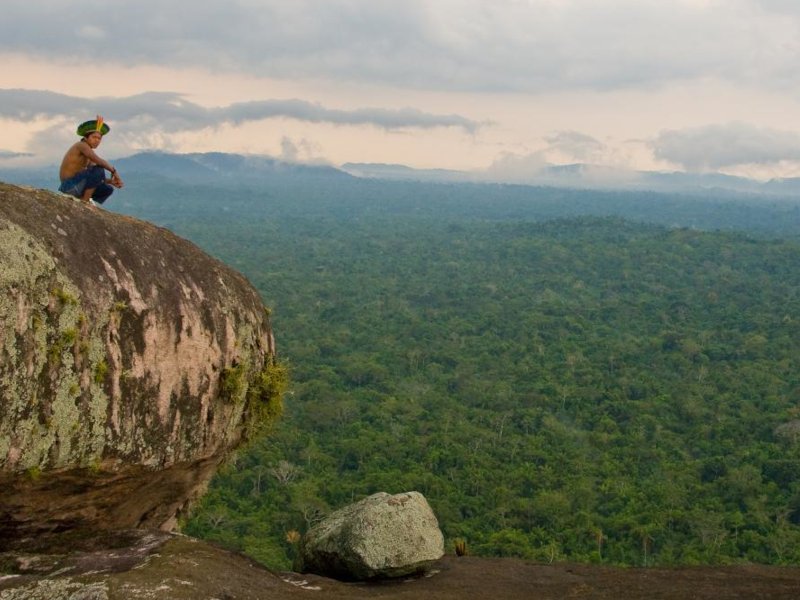
Despite clear warnings from research institutions, Brazil is moving closer to licensing a mega-project based on incomplete and flawed environmental studies.
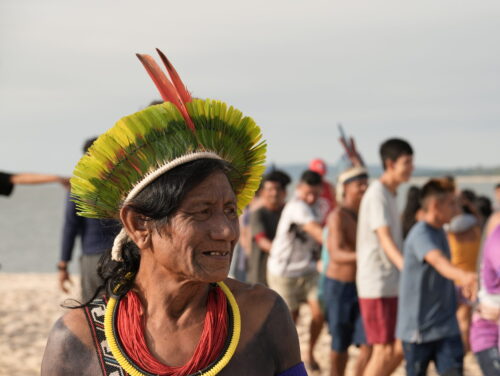
The Amazon has reached an ecological tipping point. What happens in 2026 will help determine whether climate justice remains possible or becomes an empty slogan.
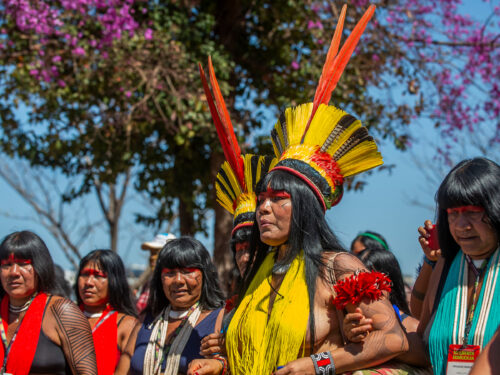
As climate denial gained renewed political traction and governments moved to restrict civic space, Indigenous peoples and grassroots movements across the Amazon advanced bold, collective visions for the future.

“Prior consultation is a binding requirement established by the Federal Regional Court and an indispensable condition for the environmental licensing process to move forward.“
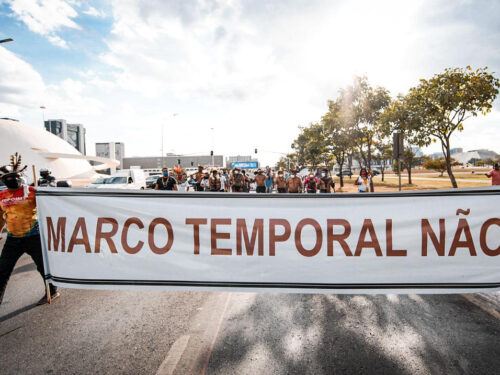
Brazil’s largest Indigenous organizations warn that the amendment dismantles the country’s constitutional framework for territorial protection.
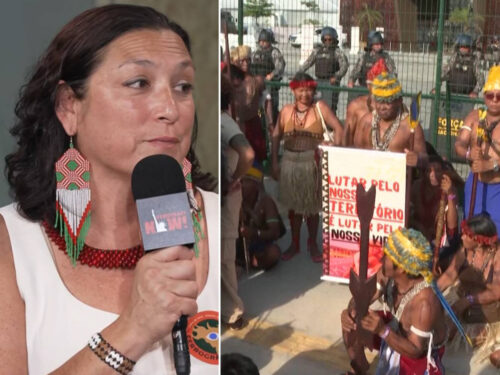
“We’re very happy that our lands advanced in the demarcation process, but there are so many lands that still need to be recognized and demarcated in Brazil.”

AFP | “We are not going to allow it, because this is our home, our river, our forest.”
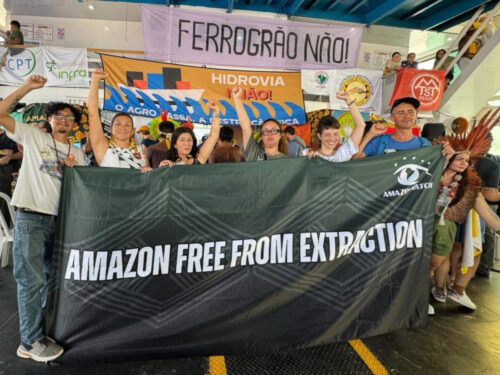
Democracy Now! | The Brazilian government said, "We’re going to put a hold on Ferrogrão. We’re not going forward on this soy railway for Cargill and ADM and Bunge and all these multinational corporations to feed animals, not people. We’re not going forward with this without people’s consent.”
“The forest lives because we are here. If they remove the people, the forest will die with them."
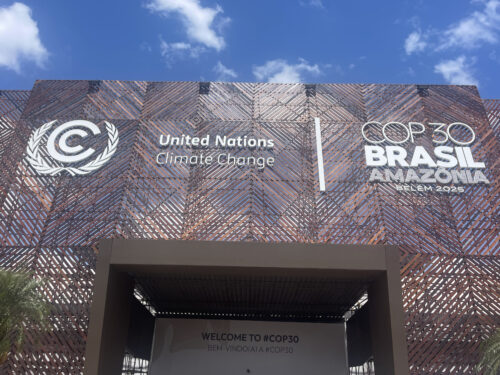
As COP30 enters its second week of negotiations, Amazonian Indigenous leaders arrive in Belém after leading powerful and courageous actions.
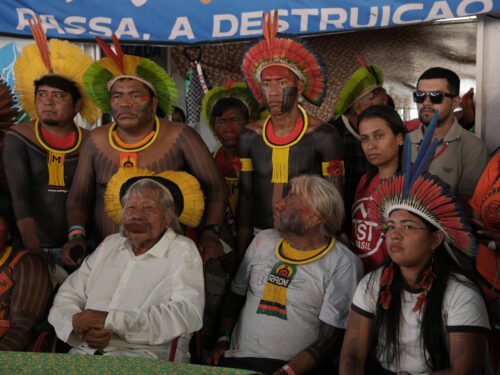
“The presence of Indigenous Peoples at COP30 is very important, but the struggle doesn’t end here."

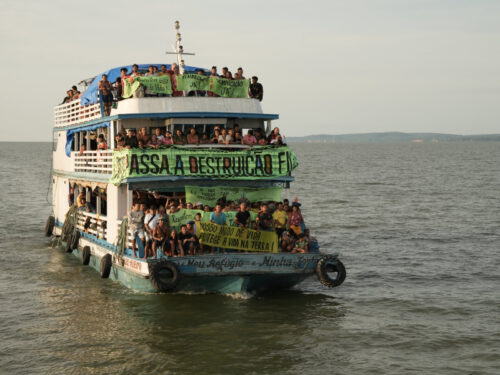
The peaceful protest was a powerful statement from Indigenous and traditional communities about the impacts of Brazil’s grain export corridors on rivers, fisheries, territories, and local livelihoods.
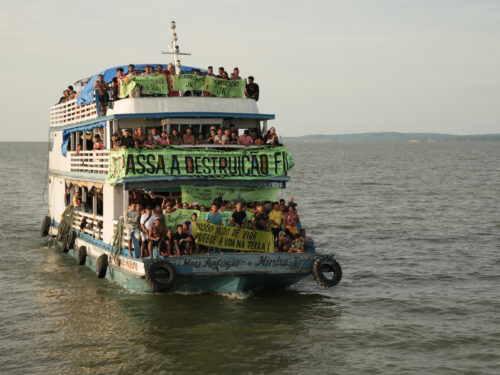
The peaceful protest was a powerful statement from Indigenous and traditional communities about the impacts of Brazil’s grain export corridors on rivers, fisheries, territories, and local livelihoods.
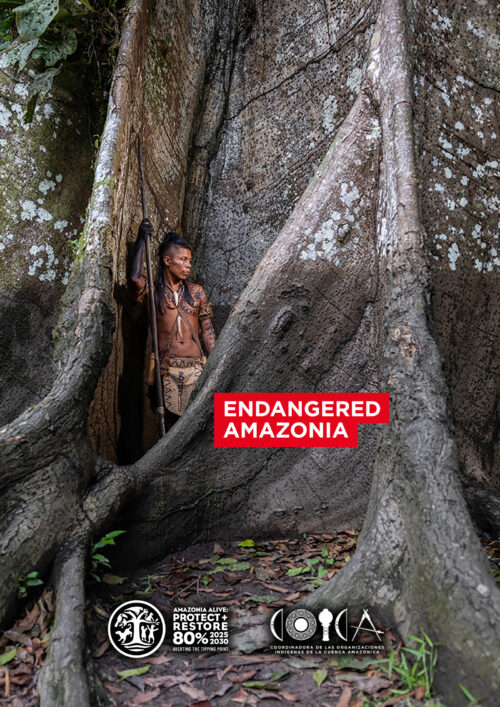
This report, a collection of 22 articles from Indigenous organizations, researchers, journalists, and international organizations, shows forest degradation and fires have not only pushed the Amazon beyond previous estimates of proximity to its tipping point, but that human activity has driven the forest beyond where mere protection of what remains...
In a few days the 30th United Nations Climate Conference will take place – in the Amazon!

“COP30 must mark a turning point, from promises to action, from extraction to regeneration, and from political speeches to Indigenous sovereignty.”
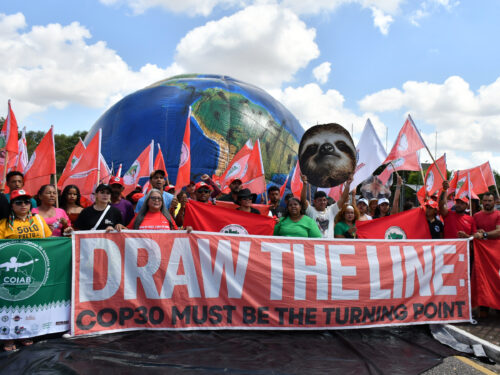
In a few days the 30th United Nations Climate Conference will take place – in the Amazon!
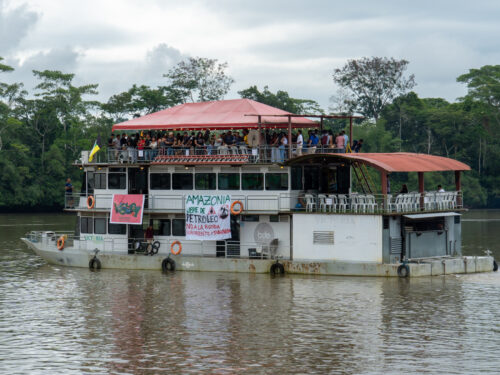
“We set out not to conquer, but to connect; so that the world, finally, will listen to the voices of the Amazon.”
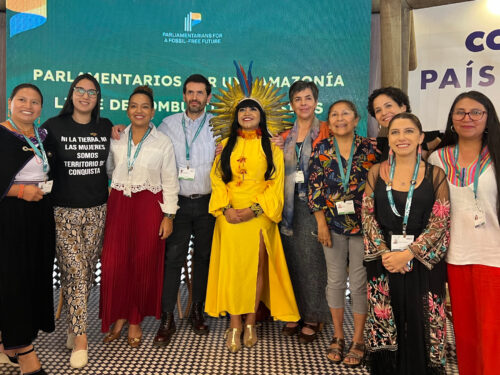
In the face of inaction and paralysis of countries in making significant progress to address the climate crisis and its principal driver – fossil fuels – a worldwide coalition of legislative leaders has taken matters into their own hands, demonstrating what true climate leadership can look like.

Folha de S.Paulo | “We will not allow the interests of large corporations, such as Cargill and Bunge, to destroy our rivers and forests."

O Globo | Ferrogrão is the backbone of a corridor that transforms the Amazon into a commodity export route and condemns Brazil to a subservient role.
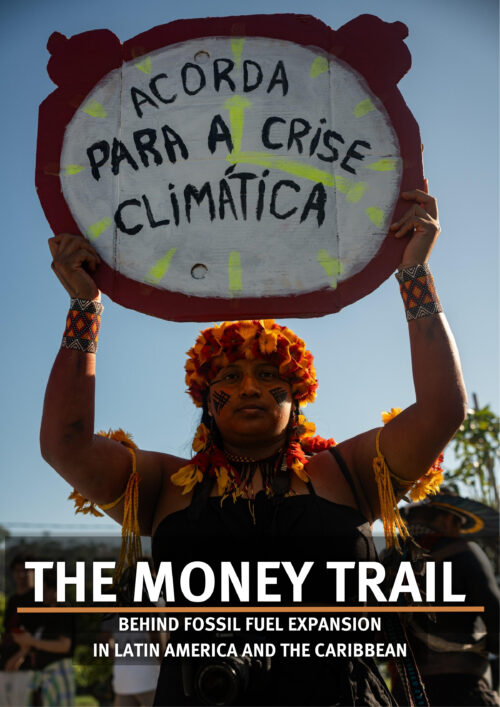
This report shines a spotlight on companies that are exploring and developing new fossil fuel reserves or building new fossil infrastructure, and it reveals which banks and investors are backing the expansion of this dirty and dangerous industry across Latin America and the Caribbean.
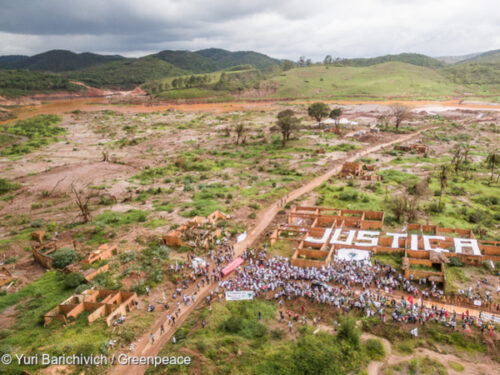
"These false authorizations not only legalize the advance of destruction, but also put our water, our health, and our food security at risk."
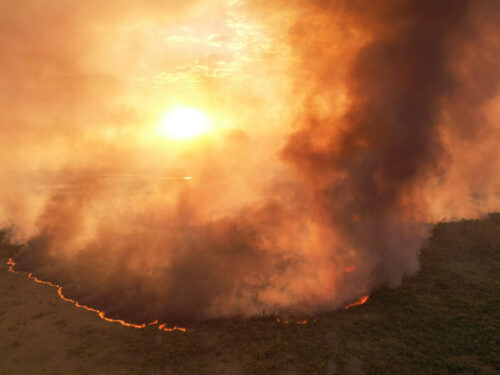
Scientific research confirms that Indigenous-managed lands are the most effective barriers against deforestation and fire. Where Indigenous rights are secured and enforced, forests thrive – and so does our global climate.

Amazon Allies is our incredible community of monthly sustainers. A monthly gift to Amazon Watch is a powerful way to be part of the Indigenous-led movement for the Amazon!


