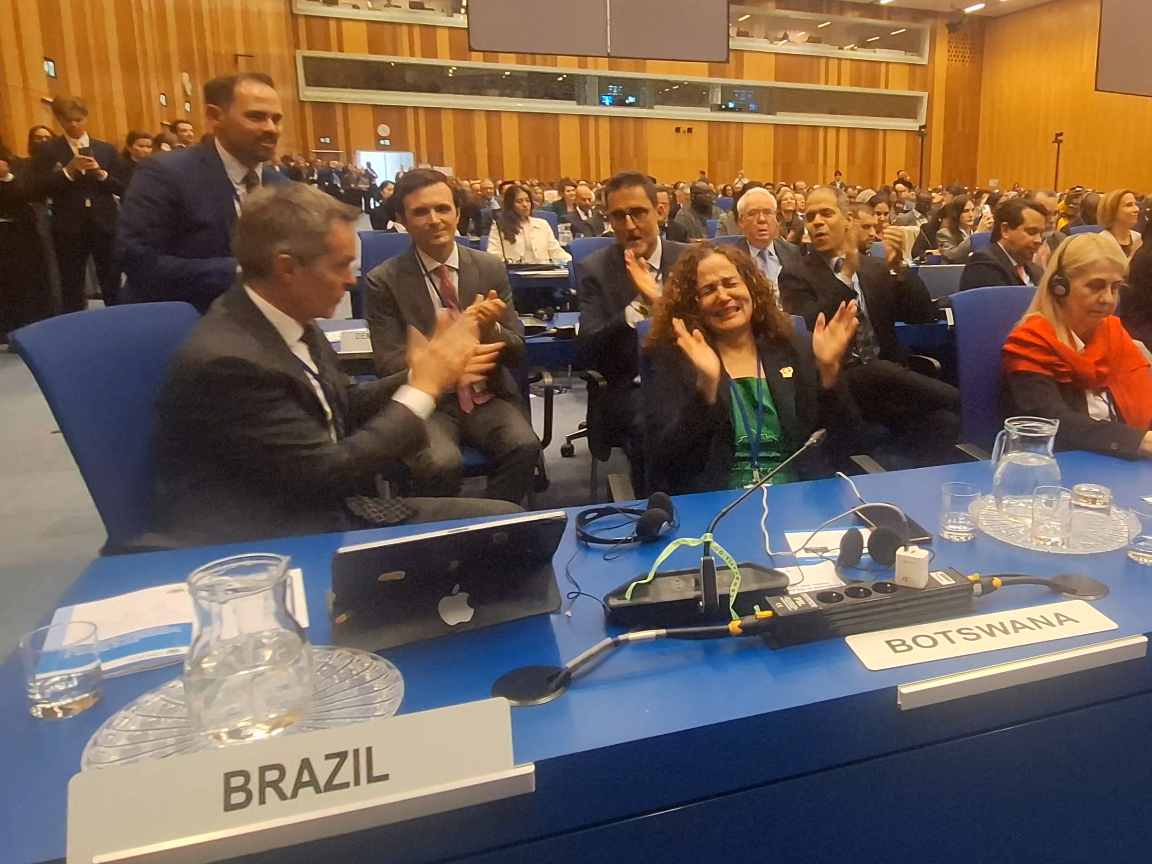
Vienna, Austria – Governments meeting at the 13th Conference of the Parties to the United Nations Convention against Transnational Organized Crime (UNTOC COP13) have approved a landmark resolution to begin negotiations on a new international protocol targeting environmental crimes, including illegal mining, trafficking in gold and other precious metals, wildlife and timber trafficking, and waste trafficking.
Crucially, the resolution explicitly recognizes the important role of Indigenous Peoples and local communities in combating crimes that affect the environment and related corruption, marking a significant step toward acknowledging their contributions to international efforts against organized crime.
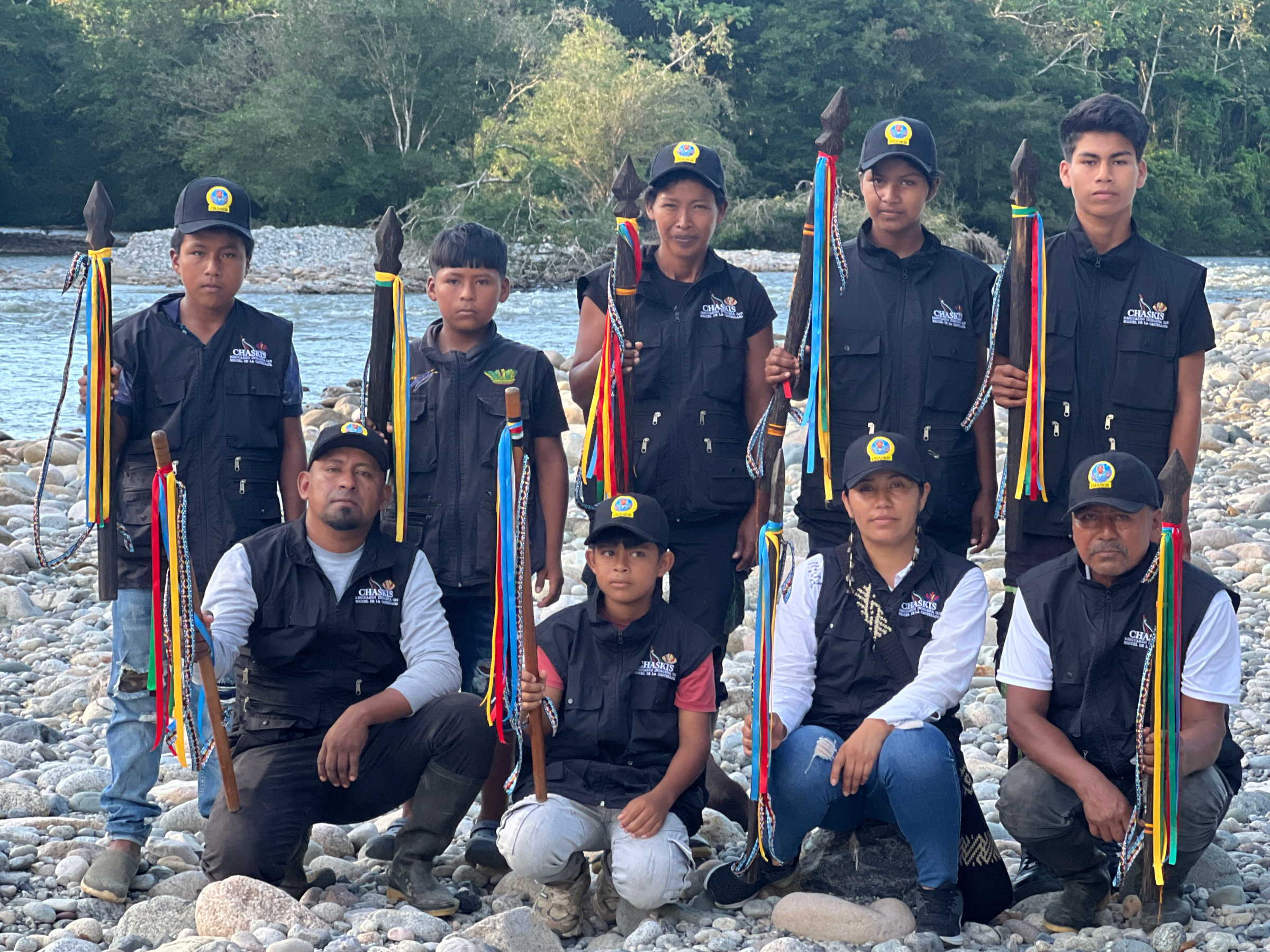
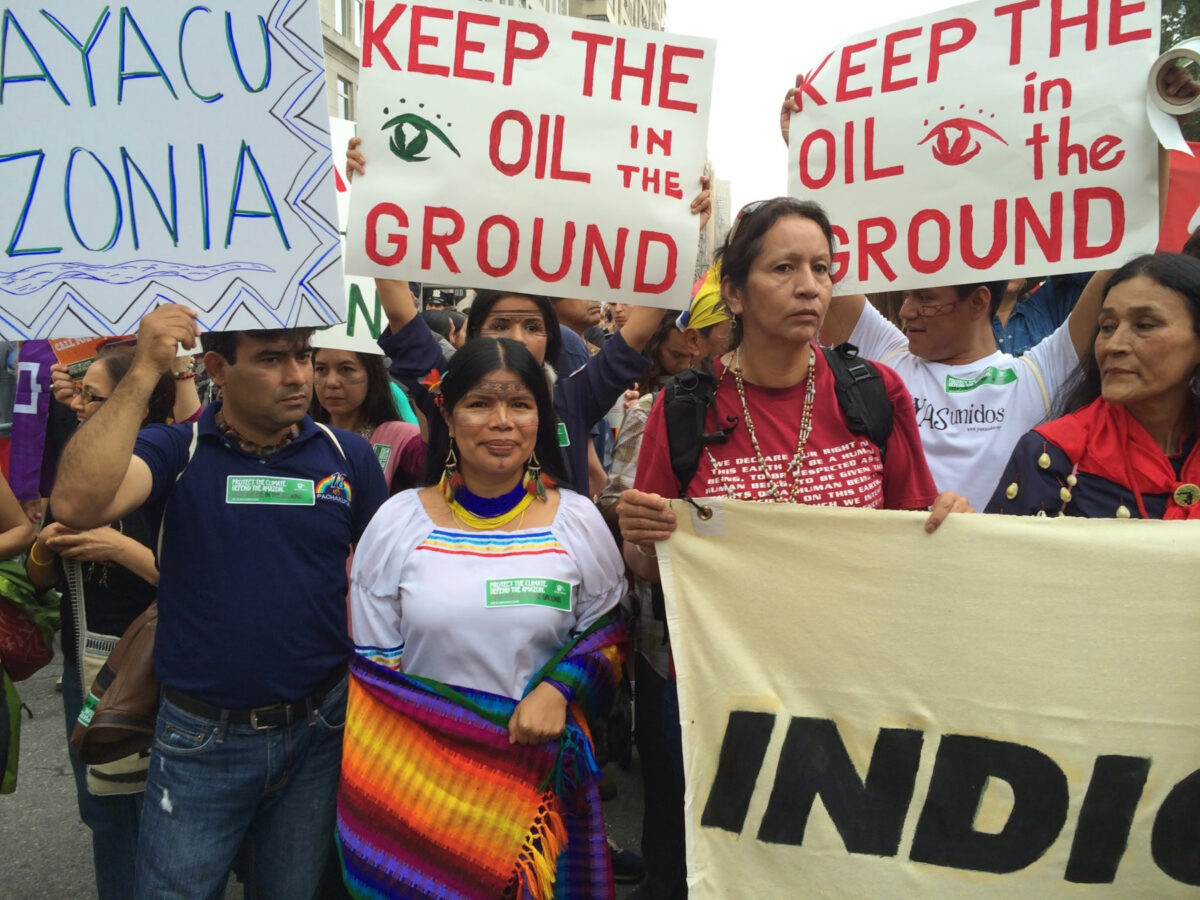
The decision follows a week of intensive advocacy by a delegation of around 10 Indigenous leaders from Brazil, Colombia, Ecuador, and Peru, coordinated by Amazon Watch through its Stop Amazon Crime campaign. The delegation addressed the COP13 plenary, met with diplomatic missions and U.N. officials, and called on governments to recognize Indigenous territorial governance as an essential pillar of global security strategies.
“This historic decision finally allows the international community to agree on coordinated responses to transnational environmental crime. However, it will only be effective if the protocol is discussed, designed, and implemented with the meaningful participation of Indigenous Peoples, who safeguard ecosystems such as the Amazon. Given the threats facing Indigenous Peoples and the Amazon, we owe it to them and to future generations to move forward quickly,” said Raphael Hoetmer, Western Amazon Program Director at Amazon Watch.
A major step toward closing gaps in international law
The resolution establishes an ad hoc committee tasked with developing an additional protocol to the UN Convention against Transnational Organized Crime. The committee will hold four negotiating sessions, with the goal of presenting a draft protocol, if possible, at the Convention’s 14th Conference of the Parties.
The new instrument could strengthen international cooperation to investigate, prosecute, and prevent environmental crimes that increasingly operate across borders and global supply chains.
Amazon Watch recognizes the leadership of Brazil, which has championed the creation of an international protocol against environmental crimes for years, and welcomes the efforts of Bolivia, Colombia, Costa Rica, the Democratic Republic of the Congo, Ecuador, Mauritania, Panama, Peru, São Tomé and Príncipe, and Uruguay, which joined Brazil in presenting the resolution.
Indigenous participation must be guaranteed
While the resolution recognizes the role of Indigenous Peoples, it does not establish specific mechanisms to guarantee their participation in the upcoming negotiations.
For the Indigenous delegation, ensuring that their voices are included in drafting the new protocol remains a central priority.
“We Indigenous Peoples are on the ground, confronting illicit economies and organized crime every day through our Indigenous guards, monitoring systems, and ancestral knowledge. Without us, there can be no security in the Amazon. That is why we must be consulted in the development of the protocol and supported in its implementation,” said Brayan Mojanasinsoy, Indigenous Inga leader from Colombia.
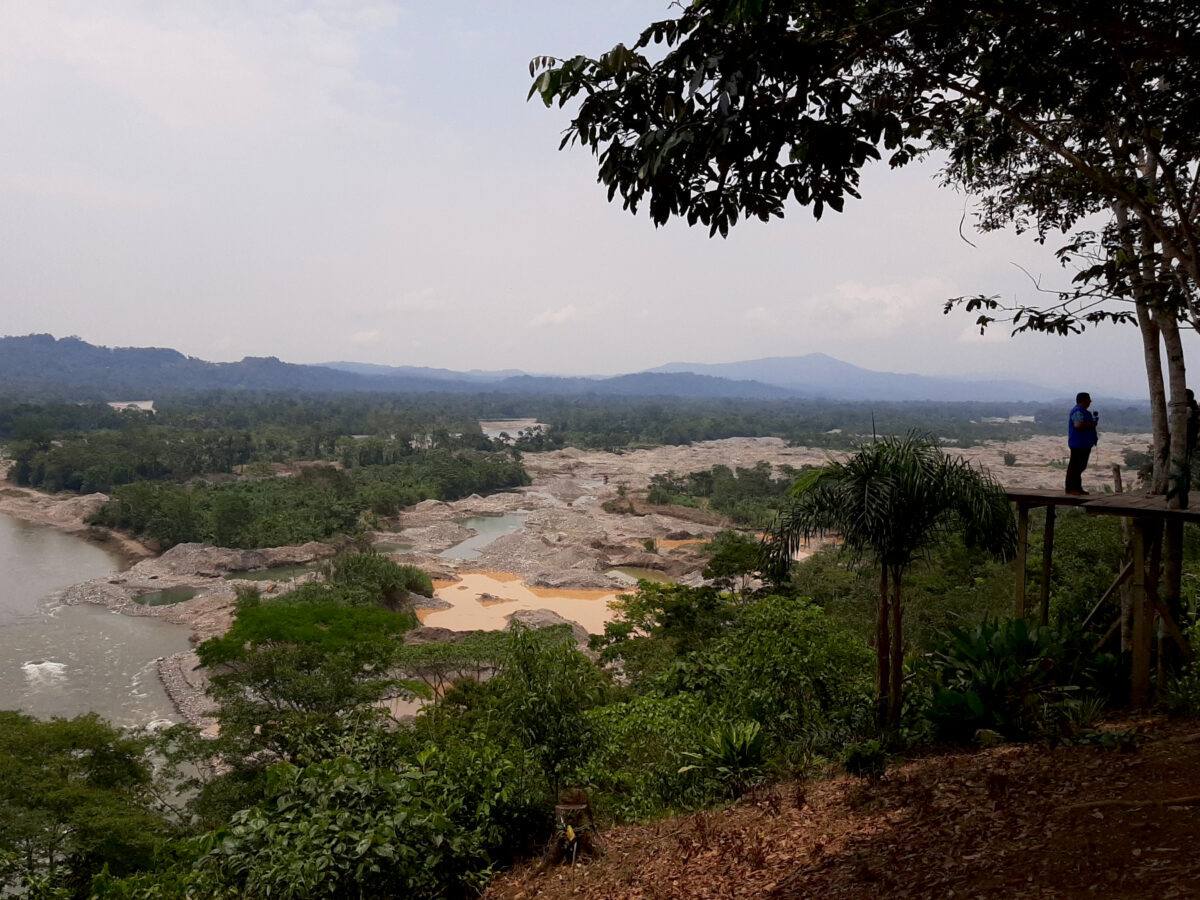
Across the Amazon, illegal gold mining, drug trafficking, illegal logging, and other illicit economies are increasingly interconnected, threatening Indigenous communities, undermining territorial governance, and accelerating deforestation and biodiversity loss.
The decision comes as governments across Europe and the Americas strengthen their strategies against transnational criminal networks supplying international markets with illicit gold, drugs, and other commodities.
During COP13, the U.N. Office on Drugs and Crime (UNODC) and the Amazon Cooperation Treaty Organization (ACTO) also signed a new cooperation agreement to address organized crime in the Amazon.
Amazon Watch and the Indigenous delegation will continue advocating for meaningful Indigenous participation throughout the negotiations and for an international response that addresses the criminal networks, financial flows, and global markets driving environmental destruction in the Amazon.