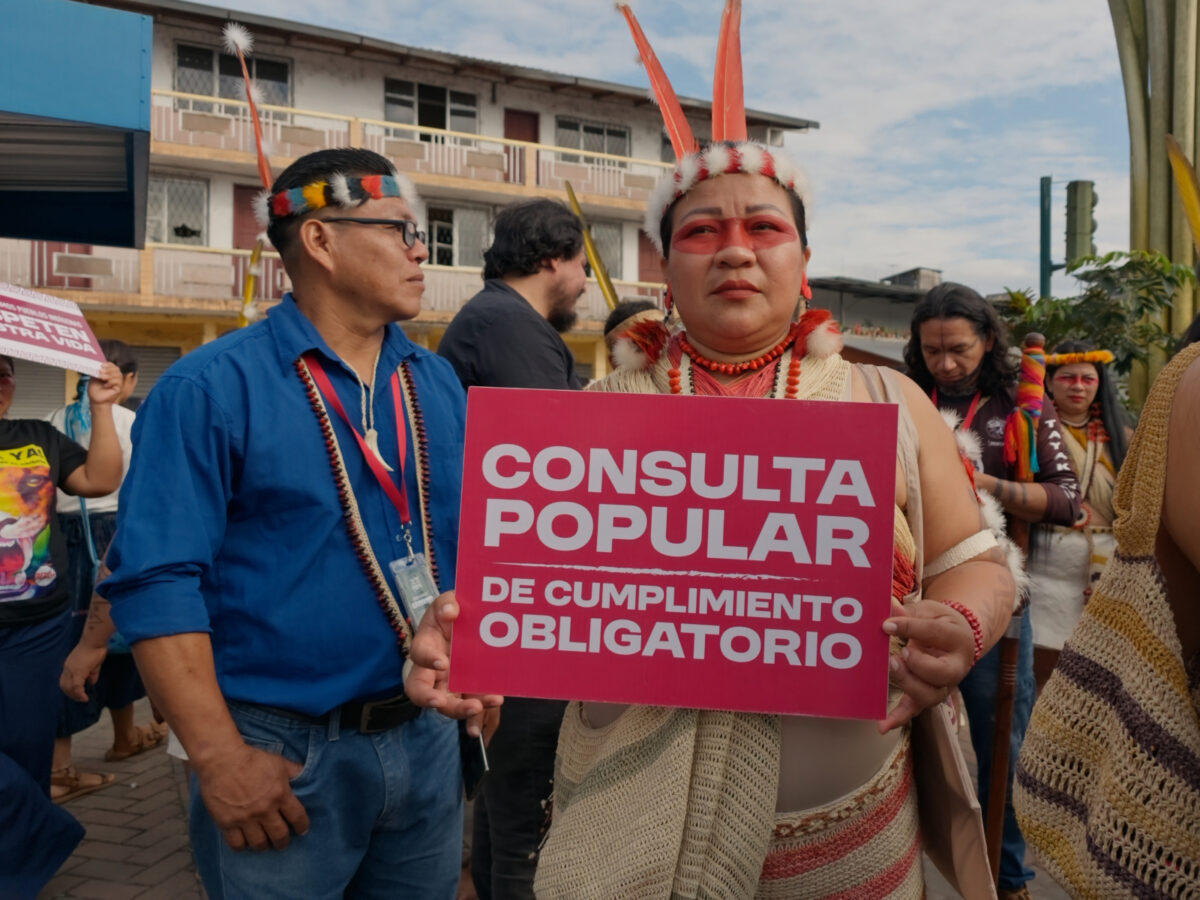
More than 2,500 people from nine Amazonian countries gathered in Puyuk, the ancestral name for the city of Puyo in the Ecuadorian Amazon for the 12th Pan-Amazonian Social Forum (XII FOSPA). Indigenous nationalities, Afro-descendant communities, fisherfolk, campesino and traditional communities, social movements, women, and youth came together to do what governments across the region have repeatedly refused to do: confront the converging crises threatening the Amazon and the peoples who call it home.
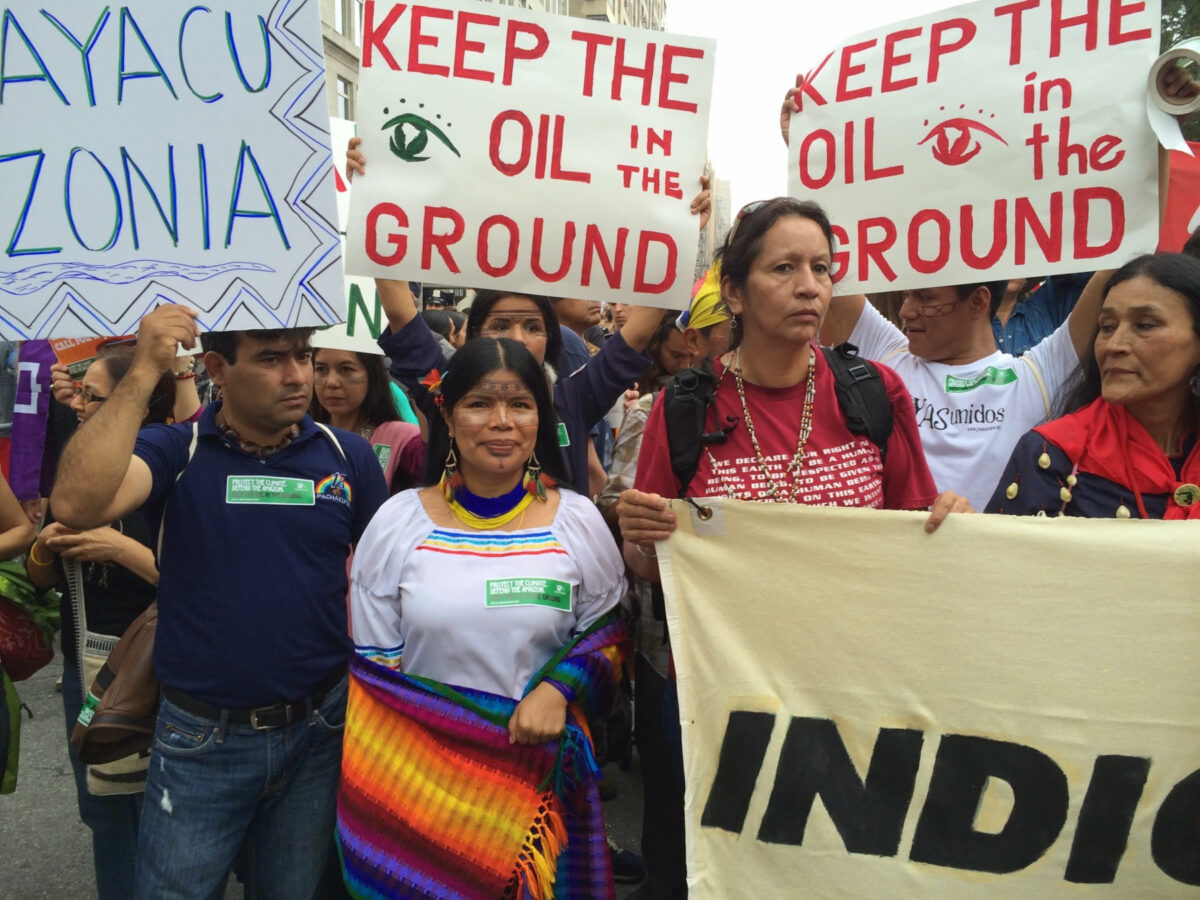
The choice to host FOSPA in Ecuador was deliberate and strategic. Puyuk is home to seven of Ecuador’s eleven Amazonian Indigenous nations, and Ecuador offers a lesson the rest of the world needs to hear. In 2023, 59% of Ecuadorians voted to keep 846 million barrels of oil in the ground beneath Yasuní National Park – one of the most powerful democratic mandates for the environment in history. Yet, the Ecuadorian government has spent three years ignoring it.
In Puyuk, FOSPA became the space to confront that reality head-on.
The Amazon in a state of emergency
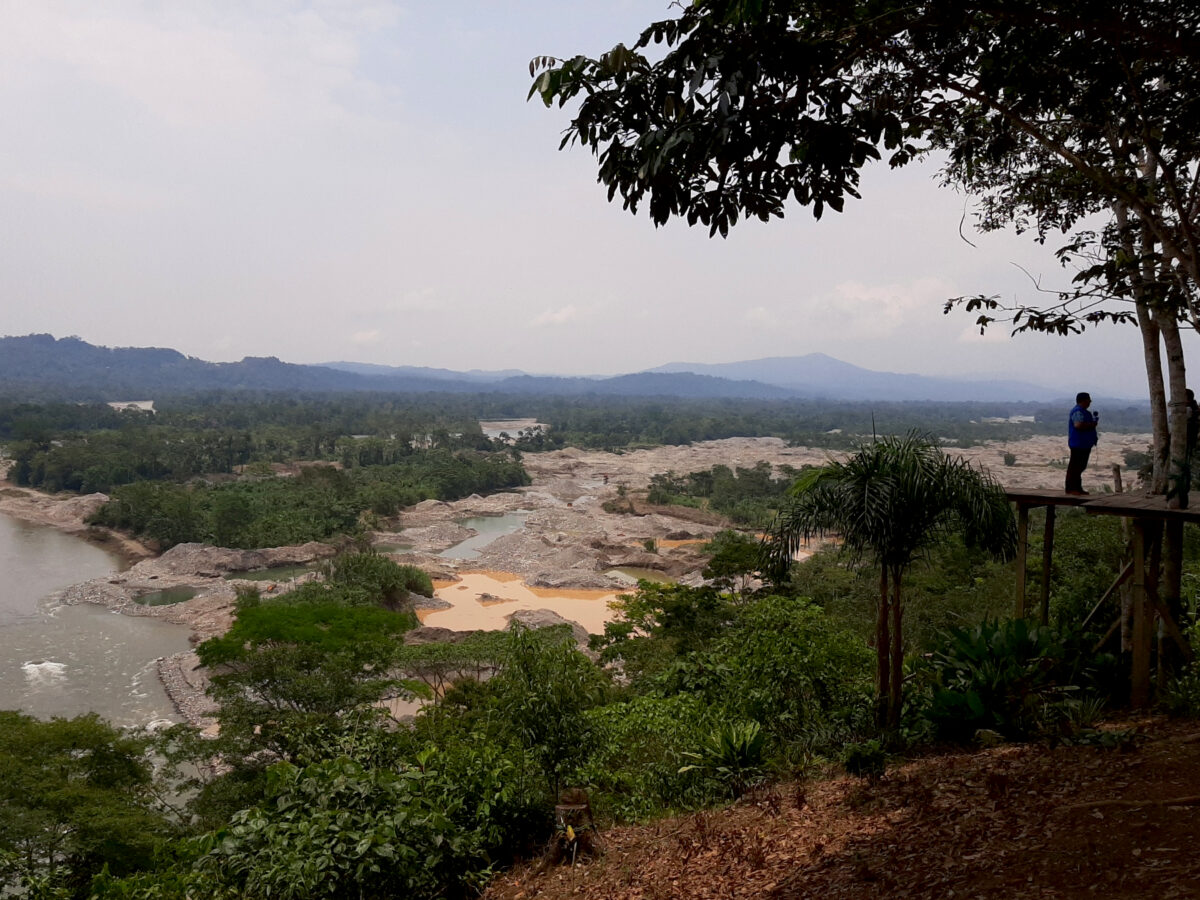
At FOSPA, representatives from all nine Amazonian countries declared that the Amazon is in a state of emergency. Eighteen percent of the Amazon has already been deforested. A further 38% is degraded. Scientists warn that if this destruction continues, combined with rising global temperatures, the world’s most biodiverse ecosystem will transform irreversibly into degraded savanna. Home to 47 million people and more than 400 Indigenous communities, the Amazon holds 20% of the world’s flowing fresh water and regulates the climate for the entire planet. The consequences of losing it are almost impossible to overstate.
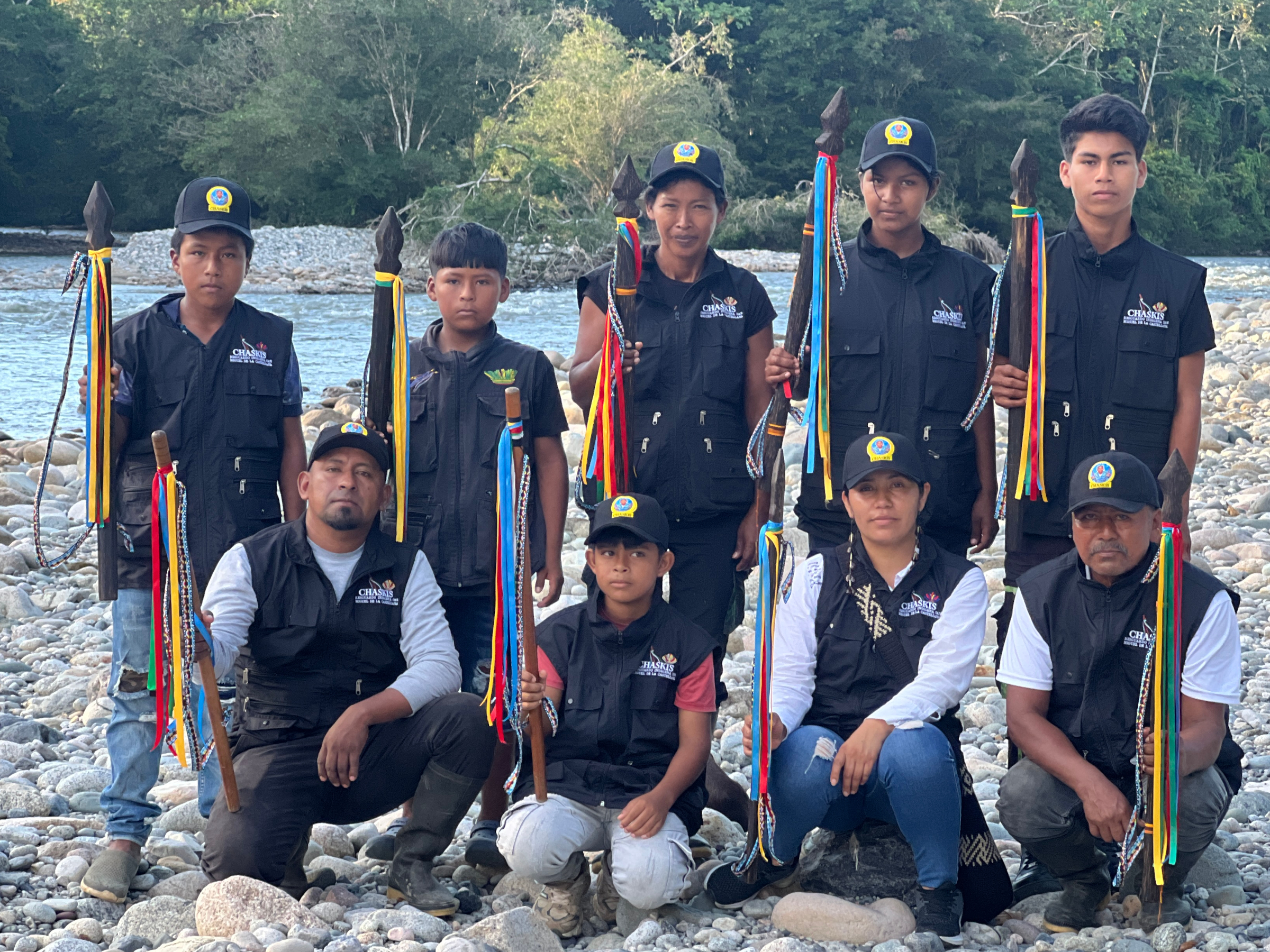
In response to this emergency, FOSPA produced two landmark documents. The Puyuk 2026 Political Declaration establishes a collective roadmap for confronting the multiple crises facing the Amazon Basin – from extractivism and organized crime to climate change and the erosion of democratic rights. Alongside it, more than 100 participants representing the Coordinating Body of Indigenous Organizations of the Amazon Basin (COICA), the Confederation of Indigenous Nationalities of the Ecuadorian Amazon (CONFENIAE), the seven nationalities of Pastaza, autonomous Indigenous governments, civil society allies, and grassroots communities resisting extractivism. Together they presented the Mandate of Indigenous Peoples and Nations in Puyuk 2026 – a political, economic, and social agenda and action plan for the Amazon Basin.
An Indigenous mandate that cannot be ignored
The Indigenous Mandate is a demand directed at states, international bodies, corporations, financial institutions, and NGOs for a fundamental shift in how the Amazon is governed, financed, and protected. As Patricia Gualinga, Human and Indigenous Rights Defender from the Kichwa community of Sarayaku, put it at FOSPA: “The Amazon is not a resource to be exploited.”
At its core, the Mandate asserts that Indigenous Peoples’ territories, their governance systems, and their knowledge are most effective for protecting the Amazon and their living territories.
The Mandate calls on states to guarantee the full titling, demarcation, and legal security of Indigenous territories and to stop treating corporate and extractive interests as more important than Indigenous rights. It demands full protection for Indigenous peoples living in voluntary isolation, whose survival depends on the inviolability of their territories. It rejects the criminalization and killing of Indigenous leaders, the militarization of Indigenous territories, and the advance of authoritarian governments that are rolling back decades of hard-won rights.
On the economy, the Mandate is equally clear. Governments and companies must respect Indigenous economies and food sovereignty, financing must flow directly to Indigenous organizations without bureaucratic intermediation, and renewable energy projects must be built with and led by Indigenous peoples, not imposed on them. And perhaps most powerfully, the Amazon must be declared a zone free of fossil fuel extraction.
The Mandate reinforces that Indigenous peoples have the right to say no. It also insists that Free, Prior, and Informed Consultation processes must never be weaponized as tools of manipulation or legitimization for extractive projects that communities have already rejected.
Three years of broken promises
No case makes the urgency of these demands clearer than Ecuador’s failure to comply with the Yasuní referendum. On August 20, 2023, 59% of Ecuadorians voted to halt all oil extraction in the ITT block of Yasuní National Park, home to some of the most extraordinary biodiversity on Earth and to the Tagaeri and Taromenane peoples living in voluntary isolation. The Constitutional Court gave the government a deadline to close all 247 wells by August 2024. Three years later, only 10 wells have been closed.
The Inter-American Court of Human Rights ruled in September 2024 that continued operations in the block violated the rights of the Tagaeri, Taromenane, and Waorani peoples and ordered the state to close the block by March 2026. That deadline has also passed while President Daniel Noboa’s government has responded with a five-year dismantling plan, a deliberate stalling tactic.
On August 20, 2026, the third anniversary of the referendum, the Waorani Nationality of Ecuador (NAWE) held a press conference and protest at FOSPA with a message. Democratic mandates are not optional. Indigenous rights are not negotiable. The Yasuní referendum must be respected.
“We call on the international community to join the struggle of the Waorani peoples. Today marks three years of non-compliance with the Ecuadorian people’s decision to close Block 43 in Yasuní National Park. Three years on, we have seen no action. We have been isolated. Our right to effective participation as the Waorani Nation has been violated. And so we call on the international community to stand with us.”
Juan Bay, President of the Waorani Nationality of Ecuador (NAWE)
Standing with our allies in Puyuk
Amazon Watch has been part of the FOSPA process for years and our participation in the XII FOSPA in Puyuk was one of our deepest commitments to date. As members of the National and International Committee, we helped coordinate the Forum and shape the working groups focused on Indigenous sovereignty, economies of life, and climate justice.
From October 2025 onward, we worked alongside allies from the seven nationalities of Pastaza, CONFENIAE, and COICA through the months-long process that built the Indigenous Mandate itself. In Puyuk, we stood with allies on the ground, building strategies, strengthening networks, and amplifying their demands for an Amazon free from extraction and organized crime through our End Amazon Crude and Stop Amazon Crime campaigns.
We were there because the Amazon is in a state of emergency. The region’s current context, marked by right-wing political regimes, escalating violence against defenders, and the advance of extractivism and organized crime, makes spaces like FOSPA essential. They are where movements build counter-narratives, forge strategies, and draw strength from one another.
A mandate that protects our planet
“We speak from the front lines, because Indigenous peoples have always been here and we continue to exist. We call on the Ecuadorian government to recognize this. Indigenous peoples have always resisted, and we are the ones who defend our territories. Our fight is not individual – it is for the generations to come. Our fight is the guarantee of humanity. This is why we once again call for unity with the international community, with allies, with partners – to work together, to take action together, to defend and save our planet.”
Juan Bay, President of the Waorani Nationality of Ecuador (NAWE)
The Amazon is a living system and one of the last great barriers between the world as we know it and irreversible ecological collapse. What emerged from FOSPA, the Political Declaration, and the Indigenous Mandate, are not only a defense of Indigenous rights, but also a defense of the planet itself. Where Indigenous land rights and human rights are secure and enforced, forests survive. Where Indigenous governance is respected and resourced, the Amazon stands strong.
The path forward for the climate, for biodiversity, for the communities on the front lines, runs directly through the demands made in Puyuk. The question now is whether governments, international institutions, and financial actors will honor those demands, or continue down a path the Amazon cannot survive.