
Puyuk 2026, XII Pan-Amazon Social Forum (FOSPA)
We, the Indigenous Peoples and Nations of the countries of the Amazon Basin, organized through the Coordinator of Indigenous Organizations of the Amazon Basin (COICA) and its affiliated national organizations, together with Peoples and territorial governments from different territories, gathered in the city of Puyo, Ecuador, on August 16 and 17, 2026, on the occasion of the XII Pan-Amazon Social Forum (FOSPA), considering that:
We, the Indigenous Peoples and Nations, preexist the creation of States. Since ancestral times we have inhabited, governed, and protected our territories, exercising our own forms of government, knowledge, and life. Our collective, territorial, and self-determination rights do not originate from State recognition, but from our existence as Peoples.
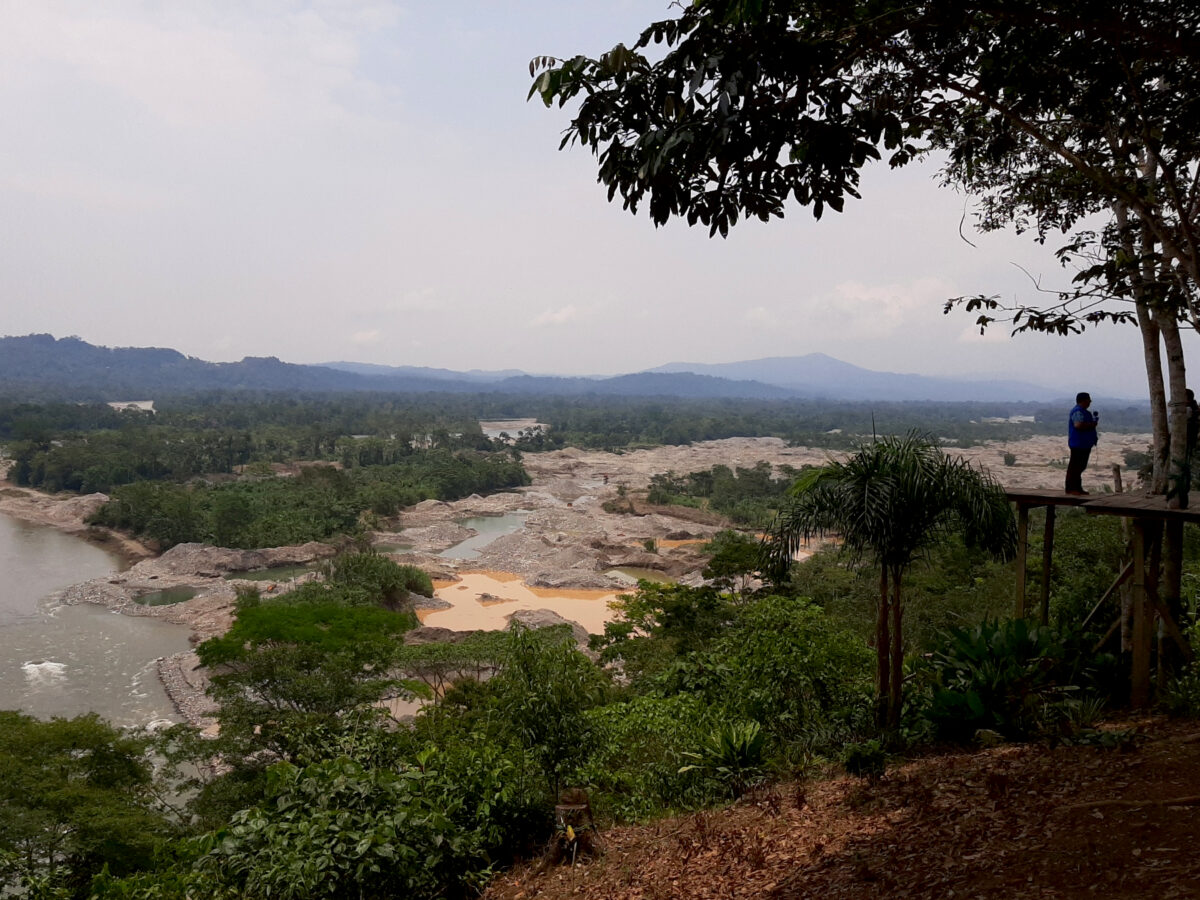
The Amazon is a living territory, fundamental to biodiversity and to the planet’s climate balance. Yet today the Amazon and our territories face increasingly serious threats from the advance of extractivism, legal and illegal mineral extraction, oil exploitation, agro-industry, drug trafficking, illegal economies, road and hydroelectric project expansion, deforestation, and the impacts of climate change and its false solutions – pushing the Amazon closer to a point of no return.
In light of this reality, we declare the Amazon in a state of emergency as a measure to protect against and prevent that point of no return. This requires guaranteeing our rights and strengthening our self-governance, our own economies, the defense of our territories, and a just transition grounded in our knowledge systems, along with guaranteeing full reparation and restoration of our territories when they have been harmed.
Therefore:
We reaffirm that self-determination is an internationally recognized right belonging to Indigenous Peoples, exercised through our own systems of government, languages, and spirituality. Our relationship with States must therefore be government-to-government. Our participation in decision-making processes must translate into a real capacity to influence policies and decisions through permanent mechanisms of coordination, enforceability, monitoring, and evaluation between Indigenous Peoples and States.
We reaffirm that self-determination also has a cross-border dimension. Many Indigenous Peoples were divided by borders imposed by States. We demand recognition and guarantee of our right to free movement across state borders, preserving our territorial, family, cultural, and political ties.
We reaffirm that our territories, spirituality, knowledge, identity, economies, and self-government form the basis of our existence and continuity as Peoples and Nations. We therefore reject decisions about our territories that place corporate and extractive interests above our rights.
We demand that States guarantee the titling, demarcation, and effective legal security of our territories, prevent invasions and land dispossession, and suspend concessions, extractive activities, and other threats.
We reaffirm that titling is an obligation of States, but does not constitute the origin of our territorial rights. We demand that full legal security be guaranteed for the territories of our Peoples and Nations, respecting their unity and territorial integrity. The titling of our ancestral territories must not be fragmented.
We demand that the decisions, priorities, and territorial governance systems defined autonomously by Indigenous Peoples – such as Life Plans (Planes de Vida) – serve as the primary basis for guiding planning, public policy at the national and subnational levels, cooperation, and other initiatives that affect Indigenous territories.
We demand full and effective compliance with rulings and decisions favorable to Indigenous Peoples, including those of the Inter-American system and national jurisdictions, as well as the adoption of effective measures for their implementation and guarantees of non-repetition of violations of our rights, in accordance with the decisions of Indigenous justice jurisdiction.
We demand full protection for Indigenous Peoples in Isolation and Initial Contact (PIACI), respect for the principle of no contact and the inviolability of their territories, guaranteeing their life, integrity, self-determination, and right to remain in isolation.
We reject the imposition of protected areas over Indigenous territories, and we demand the restitution of territories overlapped by protected areas or other conservation measures that restrict the exercise of our customary rights.
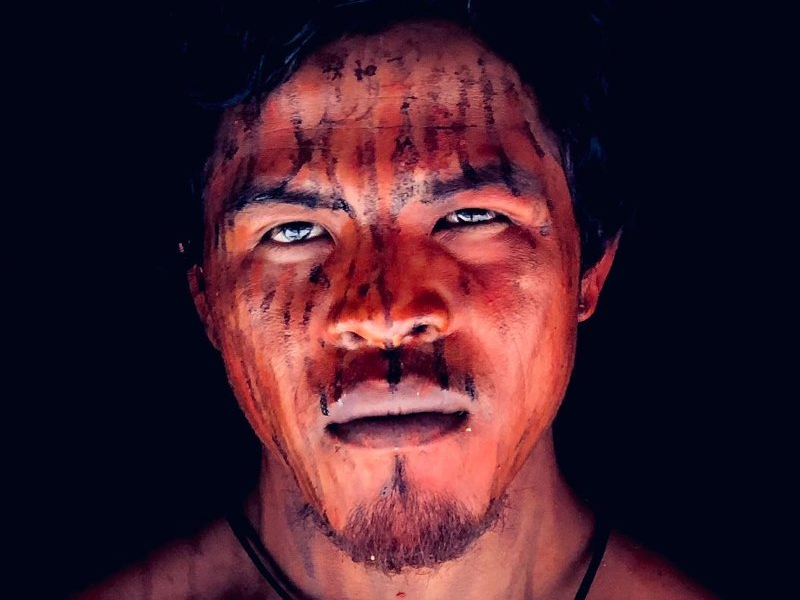
We reject the criminalization, violence, and killing of our Indigenous authorities and communicators, and defenders of our rights, of nature, and of all forms of life, as well as the militarization and repression of the territories of Indigenous Peoples and Nations.
We demand culturally appropriate access to justice for victims of sexual abuse and all forms of violence, with particular attention to violations against Indigenous children, adolescents, and women.
We reject the advance of authoritarian, repressive, and antidemocratic governments in the region, and the setbacks this represents for the guarantee and effective protection of our collective rights recognized at the national and international levels.
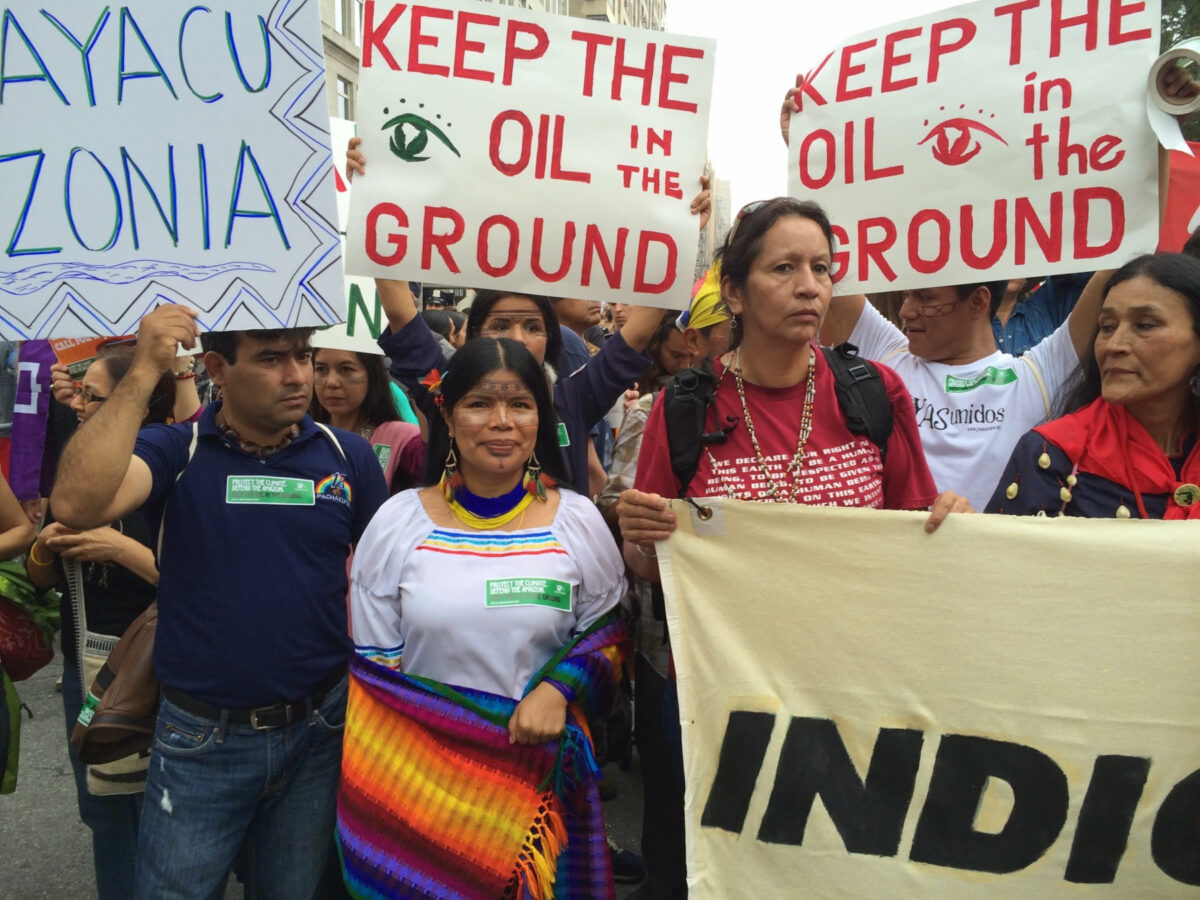
We reaffirm the need to move toward a just transition and build economic alternatives from within our own territories, moving beyond economic models based on the destruction and exploitation of the Amazon, and declaring the region a zone free of fossil fuel extraction and extractivism.
We demand that cooperation and financing respond to the priorities defined by Indigenous Peoples, their economies, and governance systems, such as Life Plans. We demand direct, sufficient, and transparent financing mechanisms, reducing intermediation and avoiding the imposition of external agendas. This must ensure the effective participation of Indigenous women in design and implementation, and guarantee access for initiatives led by Indigenous women.
We reject the co-optation of Indigenous leaders and organizations by States, government institutions, and other actors, as well as the creation or promotion of parallel structures that weaken our organizations, generate divisions, or replace our own forms of representation.
Mandate and Action Plan for the Amazon Basin
This Mandate and Action Plan sets out our requirements, priorities, and demands directed at States, international bodies, companies, financial institutions, philanthropic organizations, NGOs, cooperation agencies, and other actors present in the Amazon in connection with policies, programs, projects, and initiatives that affect our rights and territories, as well as priority actions for our peoples and organizations.
1. Self-Determination, Self-Government, and Indigenous Law
To give effect to the exercise of our self-determination, self-government, and Indigenous law, we establish the following:
- International cooperation and financing must align with our own agendas, recognizing our own governments and their administrative, technical, and economic capacity, our systems of government and Indigenous law, education and the transmission of ancestral knowledge, health, food sovereignty, our own economies, and the defense of the territories of the Amazon Basin.
- States must coordinate with our own systems of government and regional organizations on an equal footing.
- States and multilateral human rights bodies must guarantee the activation of national and international protection mechanisms whenever our rights, territories, or decisions are threatened or violated.
- NGOs and funders must facilitate and guarantee our organizations’ access to direct financing, eliminating intermediation, supporting capacity-building within our organizations, and allowing us to use resources in accordance with our own systems of government.
- States must recognize and respect our own forms of territorial governance as legitimate and effective measures for protecting our territories and living nature.
- We demand that companies, investors, and banks respect territorial rights and cease and refrain from promoting practices that destroy our systems of government and our territories.
2. Protection and Integrity of Indigenous Territories
In the face of shared threats affecting the integrity, self-government, and survival of our territories, we establish the following:
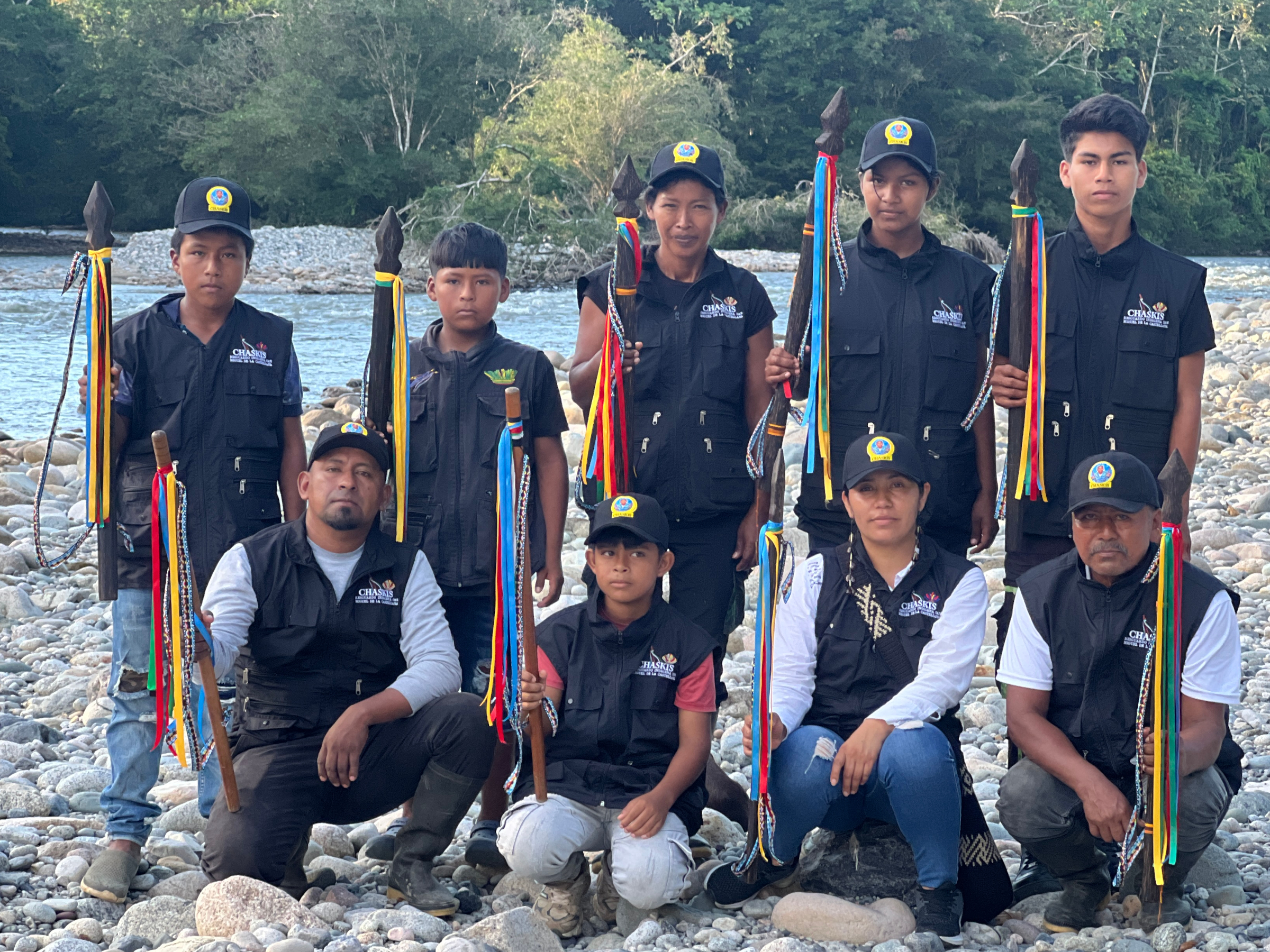
- At the level of our territorial governments and organizations, we agree to promote cross-border coordination and protection mechanisms, including the coordination of Indigenous guards and other forms of territorial care, monitoring, and defense of our own.
- States, multilateral bodies, NGOs, and funders must recognize Indigenous Peoples and our governance systems without replacing or restricting them through models such as protected areas.
- States must guarantee the full and effective titling, demarcation, and legal security of our Indigenous territories, as well as real protection measures against occupation by third parties.
- States must jointly create a system that guarantees safe and free human mobility across the Pan-Amazon region.
- States must strengthen and implement effective mechanisms for implementation, monitoring, reparation, and restoration to ensure the full, effective, and timely compliance with rulings and decisions that recognize our territorial rights.
- States must strengthen the mechanisms, measures, and actions for the full protection of PIACI, guaranteeing the inviolability of their territories, respect for the principle of no contact, and the exclusion of extractive activities and the presence of third parties.
- As Peoples and Nations, we agree to create a Pan-Amazonian mechanism through COICA for the protection of Indigenous leaders and territorial defenders, coordinated among the Indigenous organizations of the Amazon Basin.
3. Indigenous Economies and the Transition Away from Extractivism
Understanding the economy through our own knowledge systems, we establish the following:
- States and companies must respect our own economies and food sovereignty based on practices such as chagras (traditional Indigenous farming plots), which counter deforestation and extractivism.
- Given the loss of ancestral knowledge and practices caused by the imposition of extractive models, States must protect and strengthen our own education and the intergenerational transmission of knowledge, as well as protection against violations of Indigenous peoples’ intellectual property.
- States, NGOs, and funders must guarantee direct, accessible financing mechanisms that promote gender equity and the fair distribution of benefits, rejecting false climate solutions that limit territorial autonomy.
- States and multilateral organizations must ensure that renewable energy and alternative energy projects are built with, and led by, Indigenous Peoples and Nations.
- States, NGOs, and funders must strengthen and promote our own accessible economic alternatives that reduce dependence on illegal or extractive activities in Indigenous territories.
4. Advocacy and Participation in Decision-Making and Public Policy
To guarantee our right to full and effective participation in decision-making that affects our rights, territories, and ways of life, we establish the following:
- States must reform their forms of administration to coordinate with our own systems of government and regional organizations on an equal footing in the design and implementation of public policy, always complying with Free, Prior, and Informed consent in accordance with international standards.
- States must guarantee the effective participation of Indigenous women, youth, and children in community, national, regional, and international spaces.
- States must implement existing mechanisms and instruments. This includes the advocacy and representation of Indigenous Peoples before the Amazonian Indigenous Peoples Mechanism (MAPI) of the Amazon Cooperation Treaty Organization (ACTO).
- We, the Peoples and Nations, will strengthen unity and our own legitimate spaces of representation, promoting the participation and leadership of Indigenous women, youth, and children.
- We, the Peoples and Nations, will promote exchanges of experience among the Indigenous Peoples of the Amazon Basin to learn about and strengthen mechanisms of participation and advocacy in national and international settings, from technical, political, legal, and spiritual dimensions.
- We, the Peoples and Nations, will strengthen and support advocacy and political participation through peaceful collective action, including legitimate struggles and resistance.
- States and companies must respect free, prior, and informed consent and must not use consultation processes as mechanisms of legitimization, division, or manipulation to implement or advance extractive frontiers. We demand that our right to say no within these processes be respected.
- States and companies must recognize and respect our systems of government and cease any action that divides or weakens our territories.
5. Follow-Up and Implementation Mechanisms
The implementation and follow-up of the Mandate of the Indigenous Peoples and Nations in Puyuk 2026, within the framework of the XII FOSPA, will be carried out through the Indigenous Peoples’ own representative structures, without creating parallel bodies of representation or governance. COICA, as the regional representative body of the Indigenous Peoples of the Amazon Basin, will take on the coordination and follow-up of the Amazonian Indigenous agenda, in coordination with its member organizations. At the national level, representative Indigenous organizations will coordinate implementation and follow-up with their grassroots bases, authorities, and territorial governments, in accordance with their own structures and mechanisms of government and decision-making.
To this end:
- A coordination and follow-up mechanism will be created within COICA, established as a political and technical commission for regional follow-up and coordination, in coordination with its member organizations.
- Within 90 days thereafter, this mechanism will be submitted for consideration and validation in accordance with COICA’s own bodies and procedures and those of national, subregional, and territorial organizations.
- This mechanism will promote the effective participation of Indigenous organizations, authorities, and territorial governments, women and youth, including Indigenous guards and Indigenous communication networks, respecting each people’s and organization’s own mechanisms of representation, election, and decision-making.
- This mechanism must define those responsible, timelines, and reporting mechanisms for each commitment. It is recommended that COICA and national organizations periodically report progress to participating peoples, authorities, and organizations.
- Guarantee sufficient and sustainable resources for following up on agreements, including the participation of Indigenous delegations, regional and national coordination, technical assistance, and territorial actions, prioritizing direct-access modalities.
- International cooperation and other allies must support the implementation of this mandate in a transparent and coordinated manner, in accordance with the priorities defined by Indigenous Peoples, respecting their own governance structures.