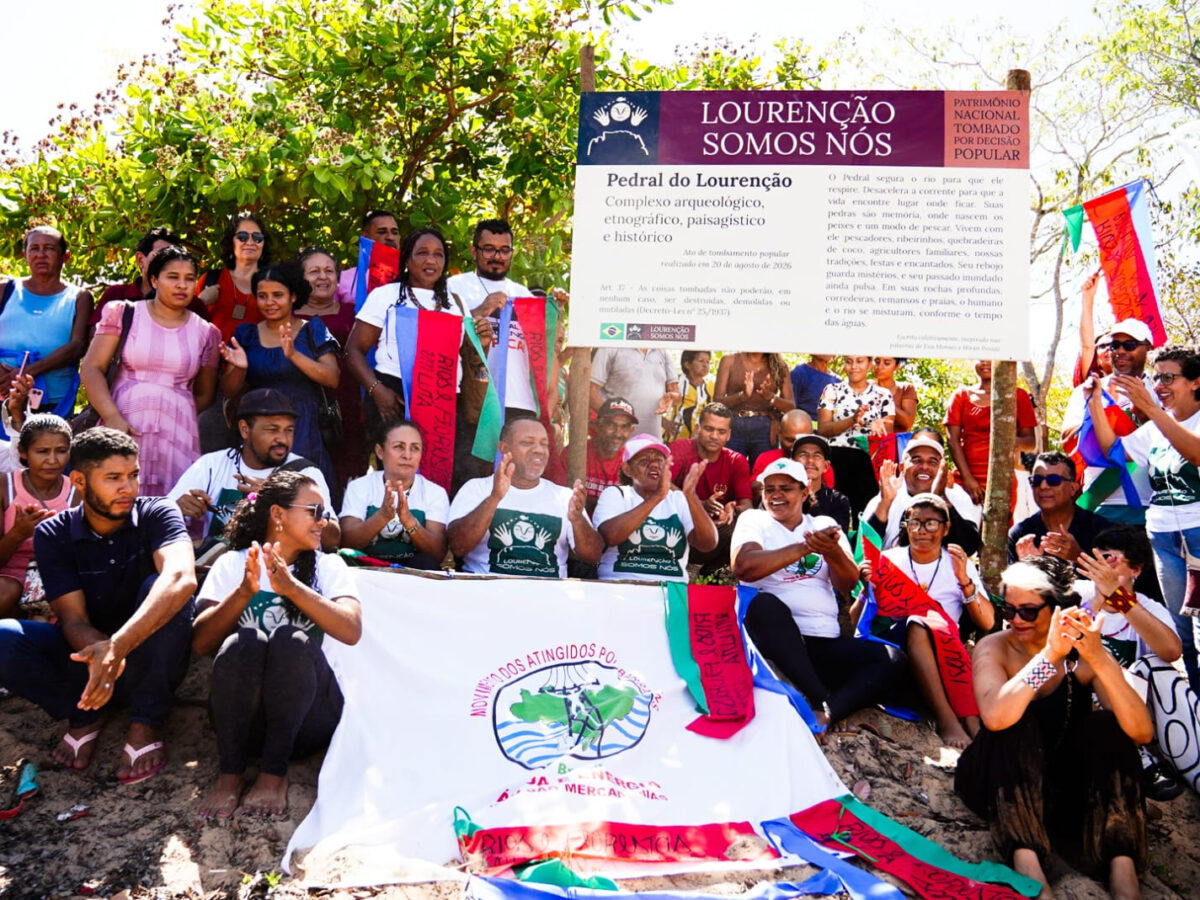
Photos available here (Credit: Rodrigo Correia)
Vila Tauiry, Pará, Brazil – Yesterday, in a symbolic ceremony, Amazonian riverine peoples, including fisherfolk, babassu nut breakers, and family farmers, declared the Pedral do Lourenção (Lourenção rocks) a community-recognized heritage site. They also announced plans to seek formal federal protection for the 43-kilometer rocky ecosystem in Brazil’s Tocantins River. The Pedral provides critical fish habitat and breeding grounds, but a federal project threatens to blast its rock formations to create a permanent navigation channel for agribusiness exports.
The communities are mobilizing during the last dry season before 2027, when the Brazilian government expects blasting to begin. An environmental installation license already authorizes workers to remove rock formations along 35 kilometers of the Pedral so that large cargo vessels can navigate the river during the low-water season.
In the coming days, local communities will submit a formal heritage protection request to Brazil’s National Institute of Historic and Artistic Heritage (IPHAN), seeking recognition of the Pedral’s significant historical, archaeological, landscape, and ethnographic values. Recent fieldwork has uncovered archaeological materials associated with historic occupations in the region. Scientific research has also documented threatened species and fish that depend on the unique rocky habitats of the Tocantins River.
“We learned to fish by knowing every rock, every eddy, and every path through the Pedral. We know where the fish are, where we can pass, and where we can cast our nets. You cannot separate our lives from the Pedral do Lourenção. Defending Lourenção means defending the Tocantins River and the continuity of our communities and ways of life,” said Ronaldo Barros, president of the Vila Tauiry Riverside Extractive Community Association (ACREVITA).
The heritage request could also have significant implications for the proposed blasting project. Although filing the request does not automatically suspend the project, Brazilian law grants provisional heritage protection while IPHAN reviews a case. If IPHAN grants Pedral provisional protection, the site would generally receive the same safeguards as a formally listed heritage property. These safeguards would restrict activities that could destroy, damage, or physically alter the site.
“When we defend the Pedral as national cultural heritage, we are not simply defending a group of rocks or an isolated natural monument. We are defending a long-standing relationship, and it is precisely this relationship that makes the Pedral unique,” said Daniela Ferreira, an archaeologist with the Emílio Goeldi Museum in the state of Pará.
The blasting project is part of plans to expand the Tocantins-Araguaia Hydroway, a key component of Brazil’s so-called Northern Arc export logistics corridor. The corridor would transport growing volumes of grain, minerals, and other commodities from central Brazil and the Amazon to northern ports. Communities say that reshaping the river threatens fishing systems, traditional knowledge, and territorial relationships built over generations.
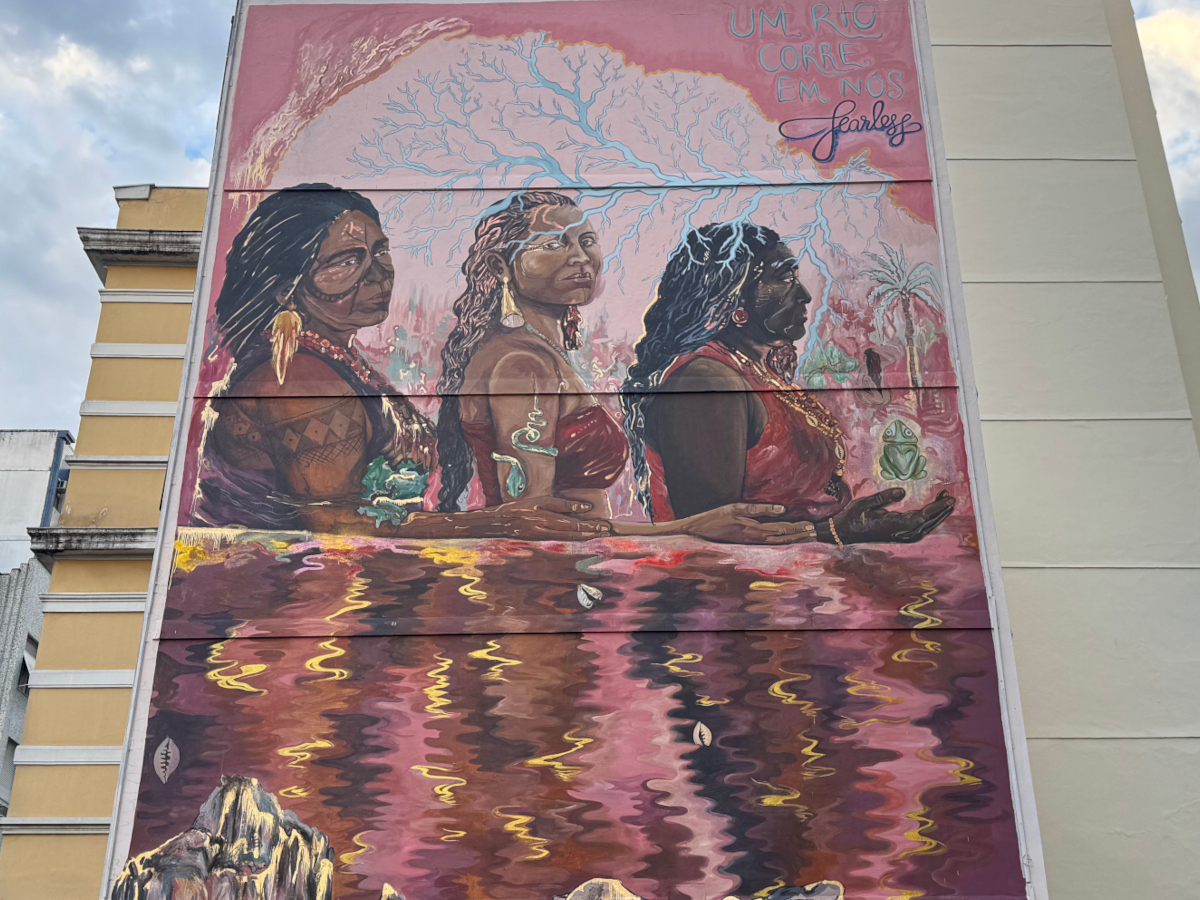
During the week of the community’s heritage declaration, artists from the South Asia-based Fearless Collective joined Vila Tauiry residents to create a mural celebrating the Pedral. The artwork depicts fish, rocks, water, and community members, and creates a lasting public record of the deep relationship between the village and the river.
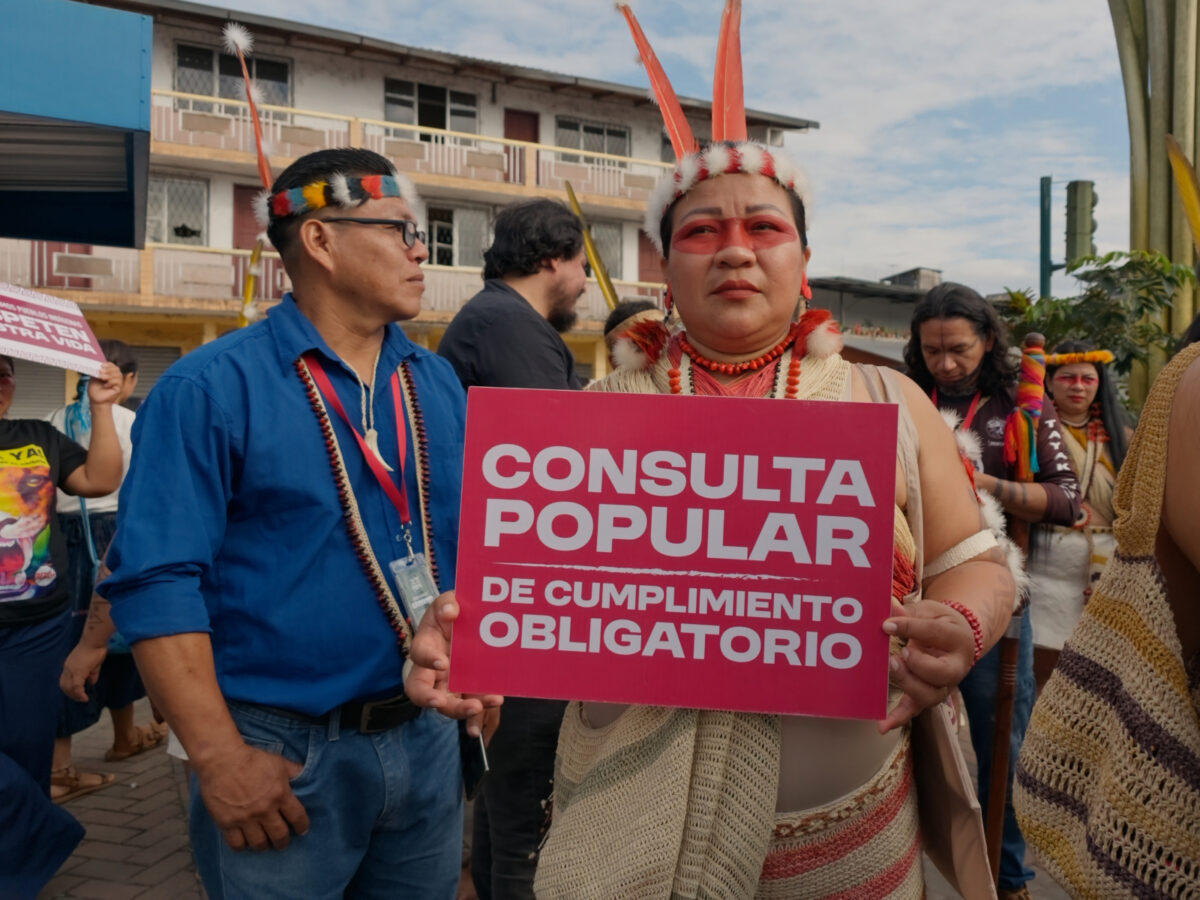
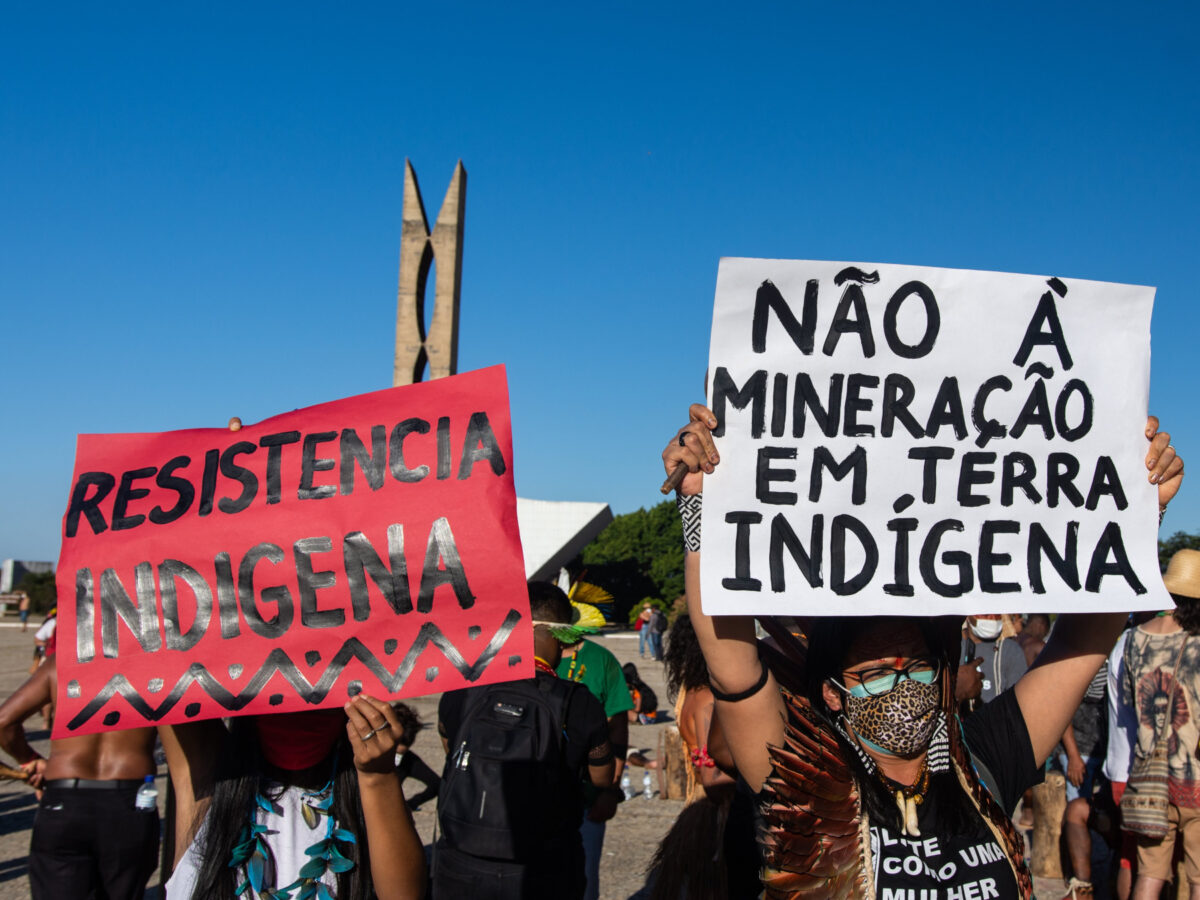
Around 200 people joined the mobilization, including representatives from communities along the Tocantins, Tapajós, and Madeira rivers. These three major Amazonian watersheds face a wave of proposed waterways, dredging operations, ports, and other infrastructure projects intended to expand commodity export corridors.
“This mobilization comes at a critical moment to defend the Amazon’s rivers from agribusiness-driven destruction,” said Pedro Charbel, Brazil campaign advisor at Amazon Watch. “Across three river basins, Indigenous peoples, traditional communities, and social movements are resisting efforts by agribusiness and international traders to turn living rivers and territories into corridors for commodities. For the profit of a few billionaires, these projects threaten our sociobiodiversity, food sovereignty, and the future of the planet. Everyone should hear their message and join the struggle to halt soy monoculture and the expansion of export routes across the Amazon and the Cerrado!”