Democrats have won control of the U.S. House and Senate in the November 3 midterms. The good news is that when the new Congress takes office in January, lawmakers will have more power to scrutinize U.S. policies that affect the Amazon and shape the spending bills that fund them.
What should Congress do with that power and where can it start? Among other opportunities, it can press to block U.S. funding for aerial fumigation in Colombia, investigate the human rights impacts of U.S. security operations, and work directly with Indigenous leaders and legislators from Amazonian countries.
Trump 2.0 has been catastrophic for the Amazon rainforest and her peoples. The so-called Donroe Doctrine is advancing an authoritarian project of hemispheric domination to catalyze natural resource extraction to the benefit of the U.S., particularly oil and critical minerals. The U.S.-led Shield of the Americas initiative, launched earlier this year, exemplifies a military approach to dealing with transnational organized crime, to the detriment of addressing the social and economic roots of illicit economies now gripping the Amazon. Elon Musk’s DOGE ignominiously fed USAID into a veritable woodchipper, eliminating any positive support the U.S. was providing toward local initiatives for alternative development and environmental protection. Prior diplomatic backing for environmental and human rights defenders evaporated. Trump and Rubio intervened in national elections to help elect authoritarians, most notably in Colombia.
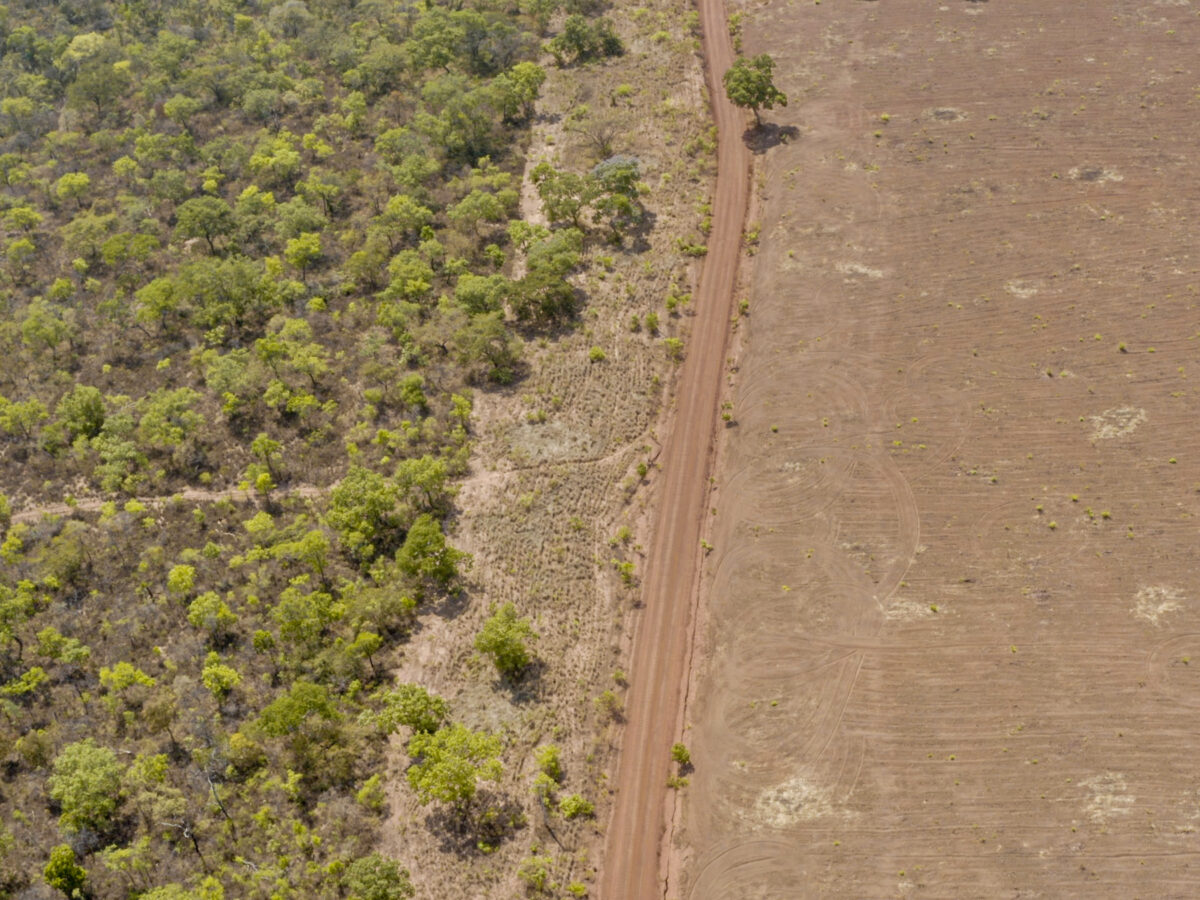
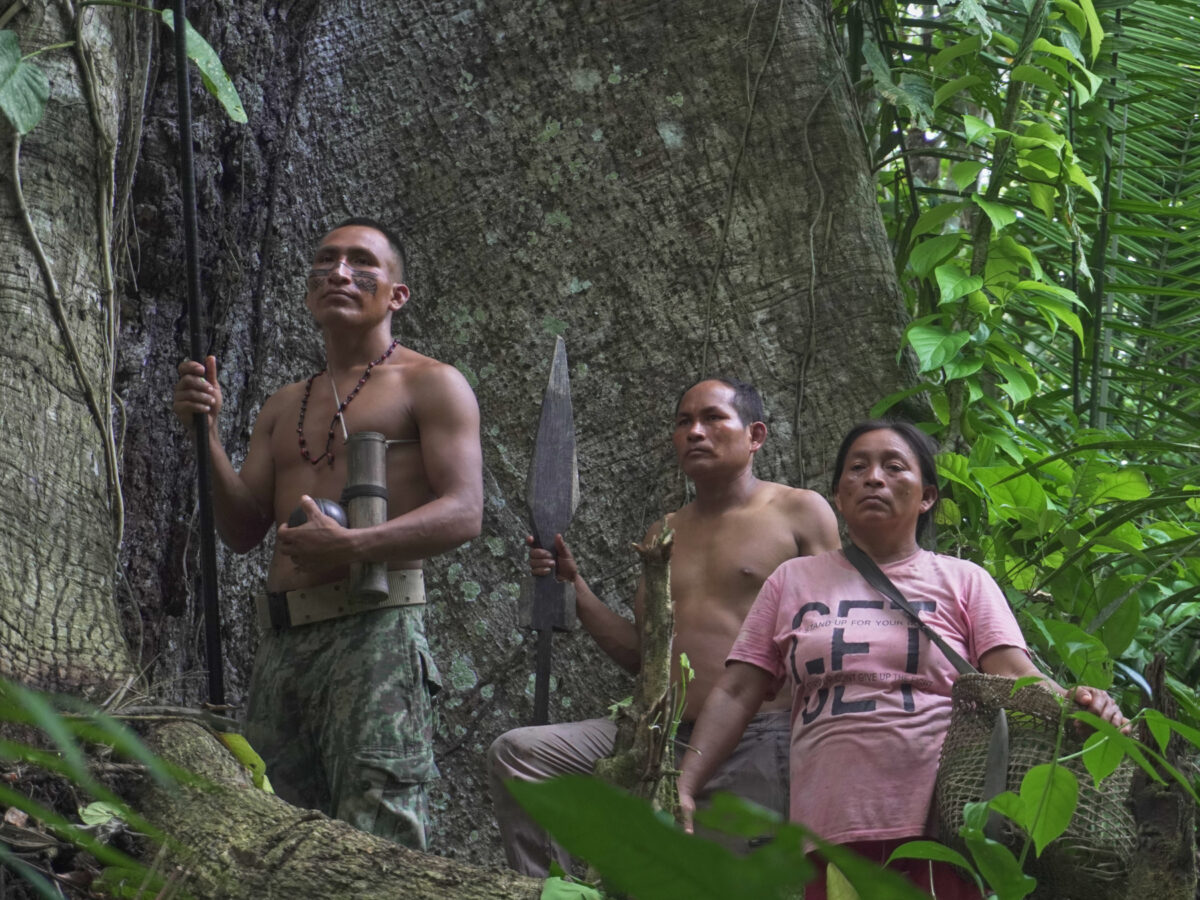
Trump’s anti-rights and anti-climate policies couldn’t come at a worse time for the Amazon. The biome is reaching an ecological tipping point, potentially shifting from a greenhouse gas sink to a net emitter. Governments continue to expand the extractive frontier deeper and deeper into the rainforest, increasingly piercing into the most remote areas. The manifold threat to communities and environment posed by illegal gold mining, coca cultivation, and illegal logging has erupted in recent years. And defenders on the front line – many of them women community leaders – are under pressure from death threats and violent attempts on their lives.
Some Congressional Representatives and Senators have spoken out against Trump policies in Latin America and the Amazonian region over the last two years: twenty members signed a resolution led by Rep. Delia Ramirez in opposition to the Donroe Doctrine and in favor of a new Good Neighbor Policy. Many members publicly denounced the naked election interference in both the Colombian and Brazilian elections. Just last week, 18 other members of Congress joined Rep. Mark Pocan to send a letter to Secretary of State Rubio, opposing any U.S. support for Colombia’s effort to reinitiate the failed strategy of aerial fumigation to eradicate coca cultivation in the rainforest.
With Congressional Democrats in the minority, however, the political impact of their efforts has been limited. Last night changed all that.
The votes from the U.S. midterm elections are still being counted, but the overall results are clear: Democrats will have a significant majority in both the U.S. House of Representatives and, extraordinarily, in the Senate. The majority is especially crucial in the House, where Democrats will not only have the Speakership, but control of committees, giving them the power to convene hearings, launch oversight investigations, and initiate international delegations. They can also pass legislation, including the appropriations bill that determined funding for the U.S. federal government.
We’re seeing not only a greater quantity, but also a greater quality of Democrat. Dozens of incoming Congresspeople are progressive in orientation and activist in nature. A larger portion of the caucus are publicly committed to rights, justice, and diversity. The Senate reflects that shift too, with Peggy Flanagan elected as the first Native American woman to serve in the chamber. They are critical of the corporate agenda that has heavily influenced the Democratic party for decades.
A number are very interested in building international ties with their counterparts – incoming Members like Darlializa Avila Chevalier (NY), Chris Rabb (PA), and Adam Hamawy (NJ) attended the Panamerican Congress in Uruguay this past August. The number of Spanish and Portuguese speaking Congresspeople will increase precipitously.
Many people worked hard for this outcome, and we should celebrate. That said, we also need to temper our expectations for the coming years. Trump will still be an imperial president, who has been laying the groundwork to attempt to ignore Congress. He still controls the federal bureaucracy, which can continue to do immense damage. It will be incumbent on the new Congress to find creative ways of blocking and minimizing that damage, while also presenting an alternative vision to help Democrats win the presidency in 2028.
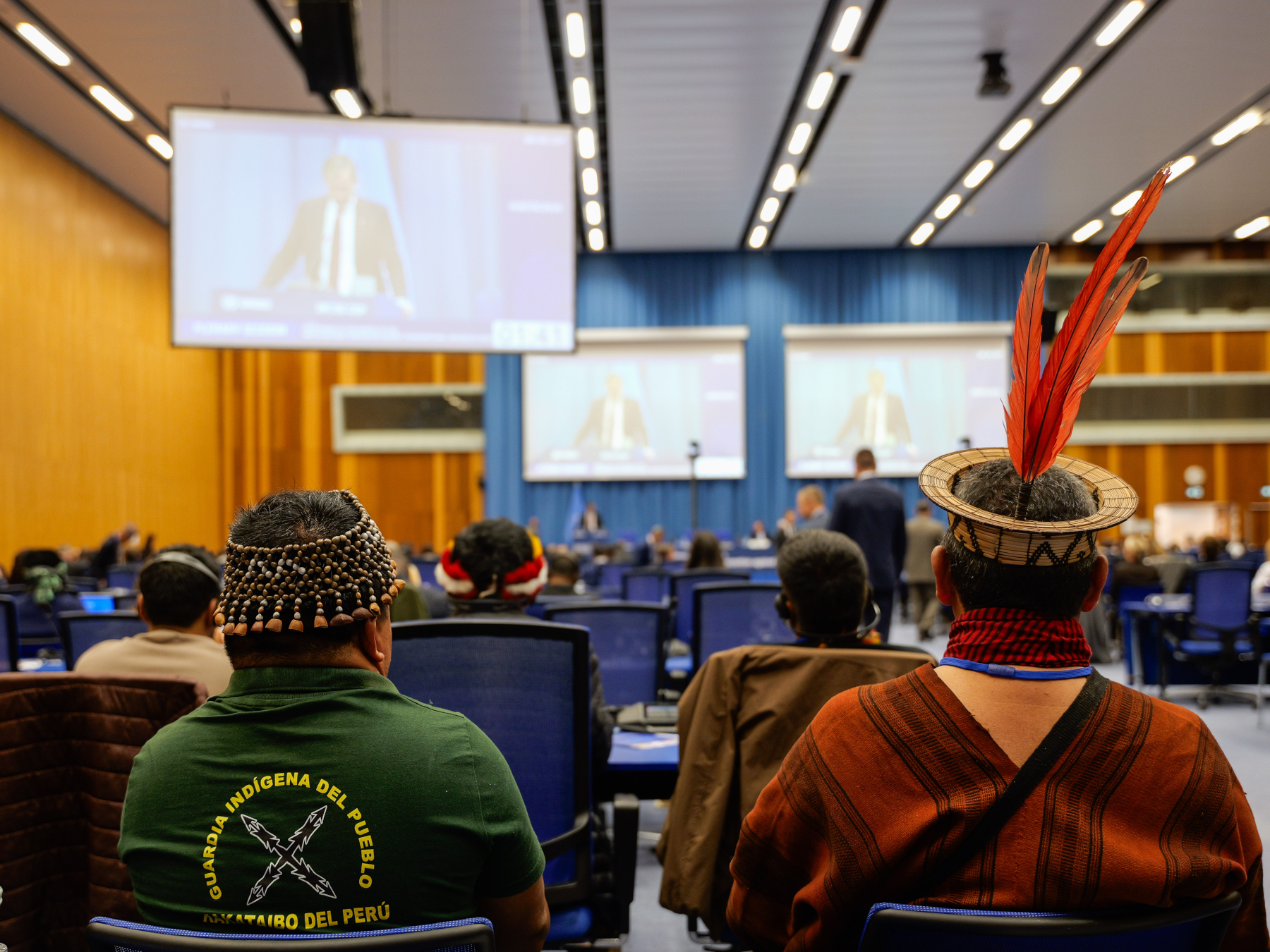
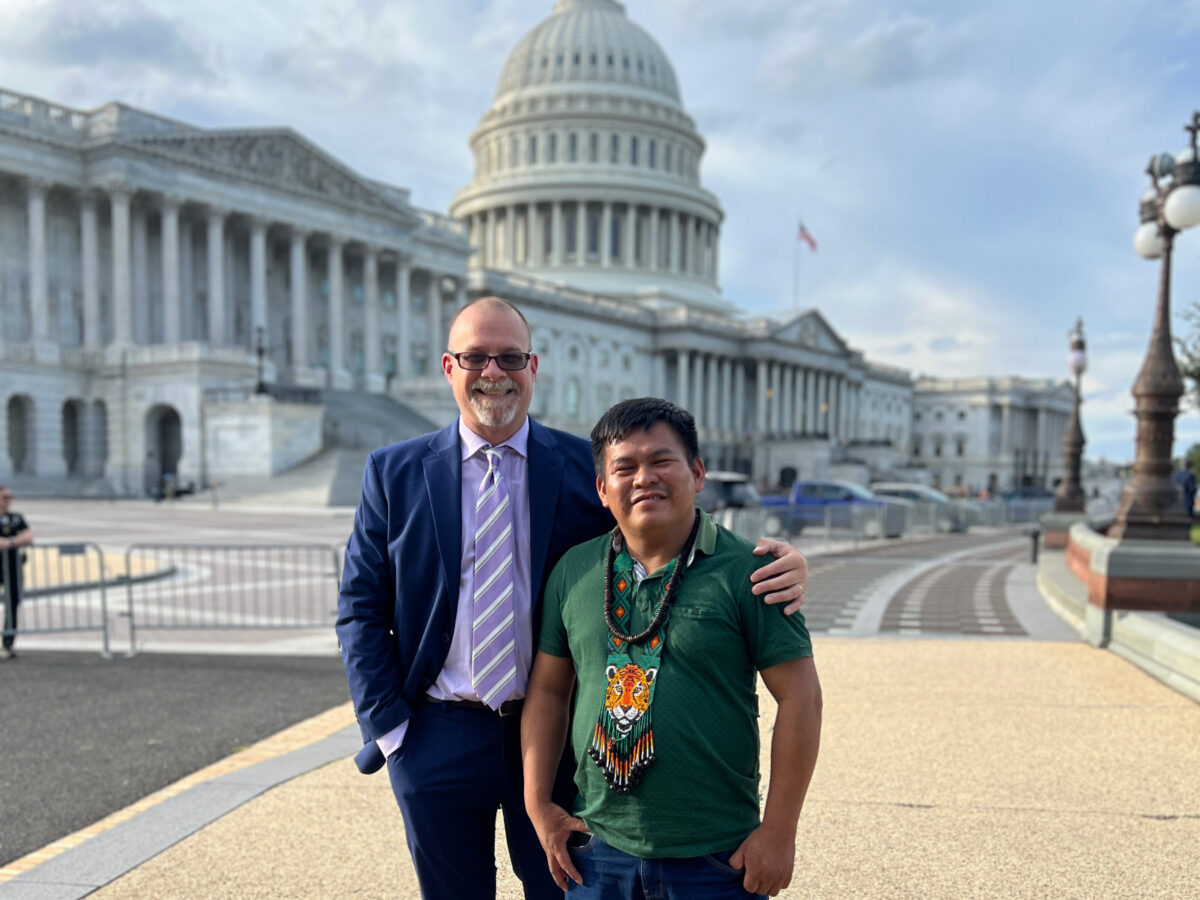
In this hopeful but challenging context, what should the 120th Congress do to accompany Amazonian peoples as they defend their territory? Working closely with Amazonian partners – including Indigenous legislators – Amazon Watch will coordinate with Congressional champions and allies to carry out the following actions and policies.
Leverage the power of the purse strings: Congress should restrict funding for harmful U.S. policies in the Amazon, like military operations and support for aerial fumigation. Anticipating a Democratic presidency, they should maintain support for U.S. foreign assistance in the appropriations process. Additionally, they should expand U.S. financial support for important multilateral institutions like the Inter-American Commission on Human Rights and the UN Permanent Forum on Indigenous Issues, among many others.
Use their megaphone: Given the tremendous risk that local environmental and land defenders face – and their crucial role in protecting the Amazon – ally Congresspeople should regularly express political and diplomatic support for them. To maximize press coverage, they should speak out via English, Spanish, and Portuguese channels. On the issue of supporting defenders, they should join the Leaders Network for Environmental Activists and Defenders (LEAD Initiative).
Bang the gavel: Now that Democrats will run committees and subcommittees, they should incorporate Amazon themes and community leaders into the work of proposing and hosting hearings, launching oversight investigations and coordinating Congressional Delegations. Investigations could focus on the most nefarious components of the Donroe Doctrine, like the human rights impact of the Shield of the Americas initiative.
Build peer partnerships: Devise long-term bilateral relationships with like-minded legislators from Amazonian countries like Brazil, Colombia, Ecuador, and Peru. Also, find ways to participate in and support the work of outstanding international collaboratives of legislators like the Parliamentarians for a Fossil Free Future. Work with those peers to promote the Santa Marta Process for a just transition away from fossil fuels and efforts at the United Nations to devise a new protocol against crimes that affect the environment.
Amazon Watch will work with Amazonian partners and allies to ensure that the future of the rainforest and her peoples are squarely on the agenda of the new U.S. Congress. We will build on existing relationships with Congressional champions for human rights and climate justice, striking up new collaborations with the incoming activist members. We will also identify strategic opportunities for action by grassroots friends of the Amazon, to make your voice heard.
After years of environmental rollbacks and human rights abuses, this moment offers something we have been short on – hope. Hope for environmental justice, for human rights, and for the future of the Amazon and her peoples. We will not let it pass. We will keep pushing for a future where rights are respected and the planet is protected.