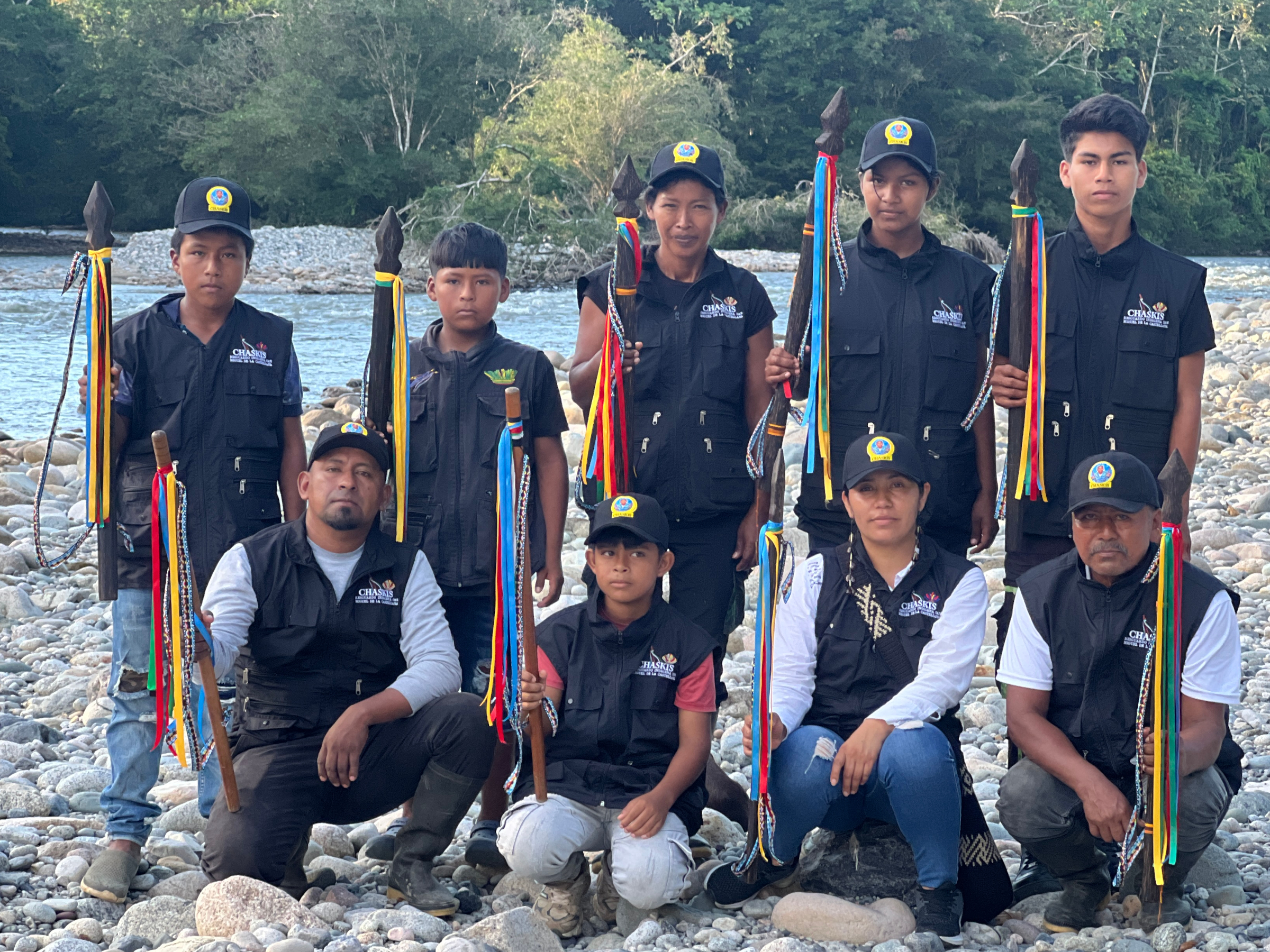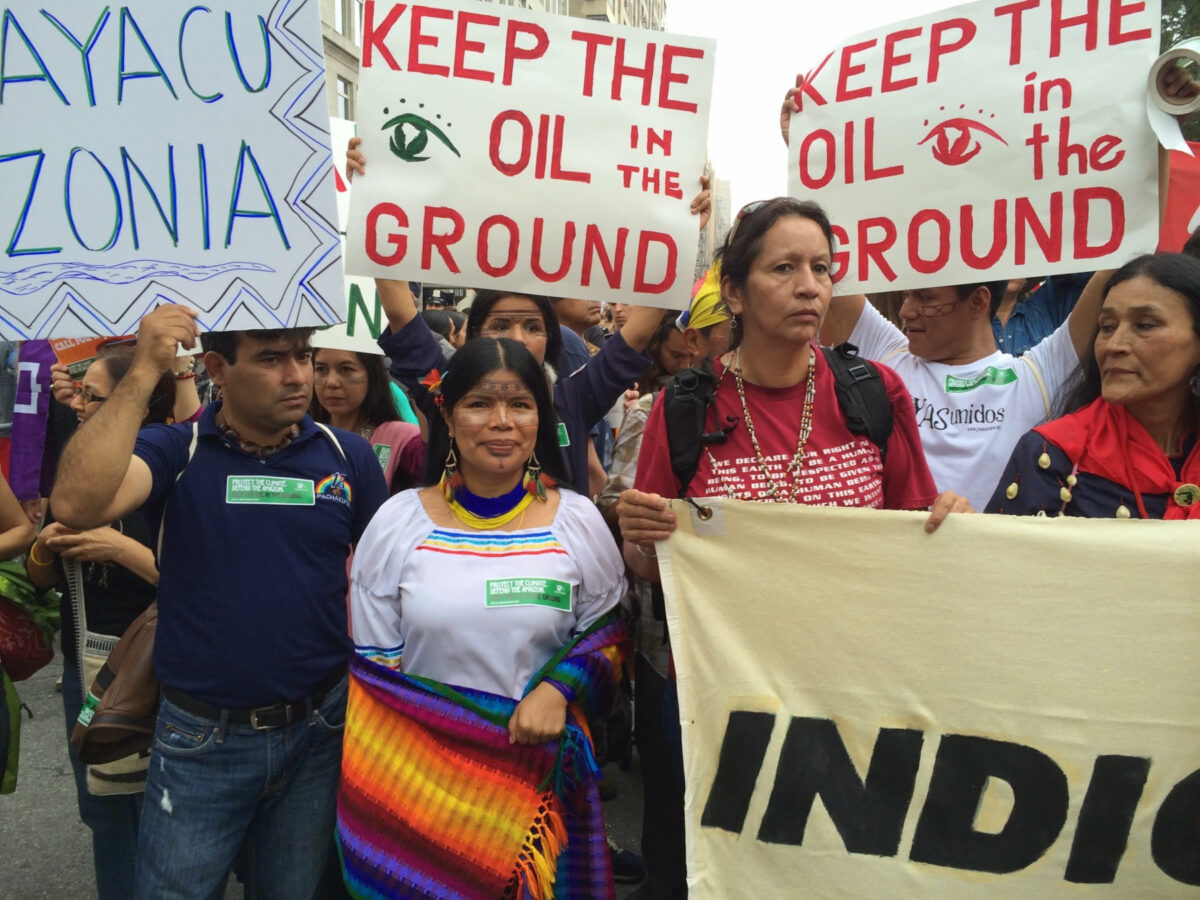
Peru’s investment-friendly government is under intense pressure from Amazonian indigenous communities, whose protests over new land rights laws have curtailed oil and gas production, blocked roads and ports and interrupted train services to the Macchu Picchu Incan ruins.
The demonstrations by the Awajun, Huambis and Asháninka communities have prompted warnings of fuel rationing within a fortnight, even before the capture at the weekend of two valves on the sole pipeline between Peru’s Camisea gas field to the coast.
The government has declared a state of emergency, and on Tuesday it used military and police forces to recapture the Camisea valves.
Yehude Simon, Peru’s prime minister, is leading negotiations with the communities, including Alberto Pizango, president of an umbrella national indigenous rights group, Aidesep, who at one point called for “insurgency” to ensure indigenous rights to land.
Mr Pizango quickly clarified the remark, saying he intended only a defence of “natural rights and peacefully resisting excesses committed by the Peruvian state”. But in Peru, which despite China-like economic growth rates in the years preceding the global financial crisis has an official poverty rate of 36.2 per cent, Mr Pizango’s comments underscore the depth of anger among poor indigenous communities about the wealth generated by extractive industries.
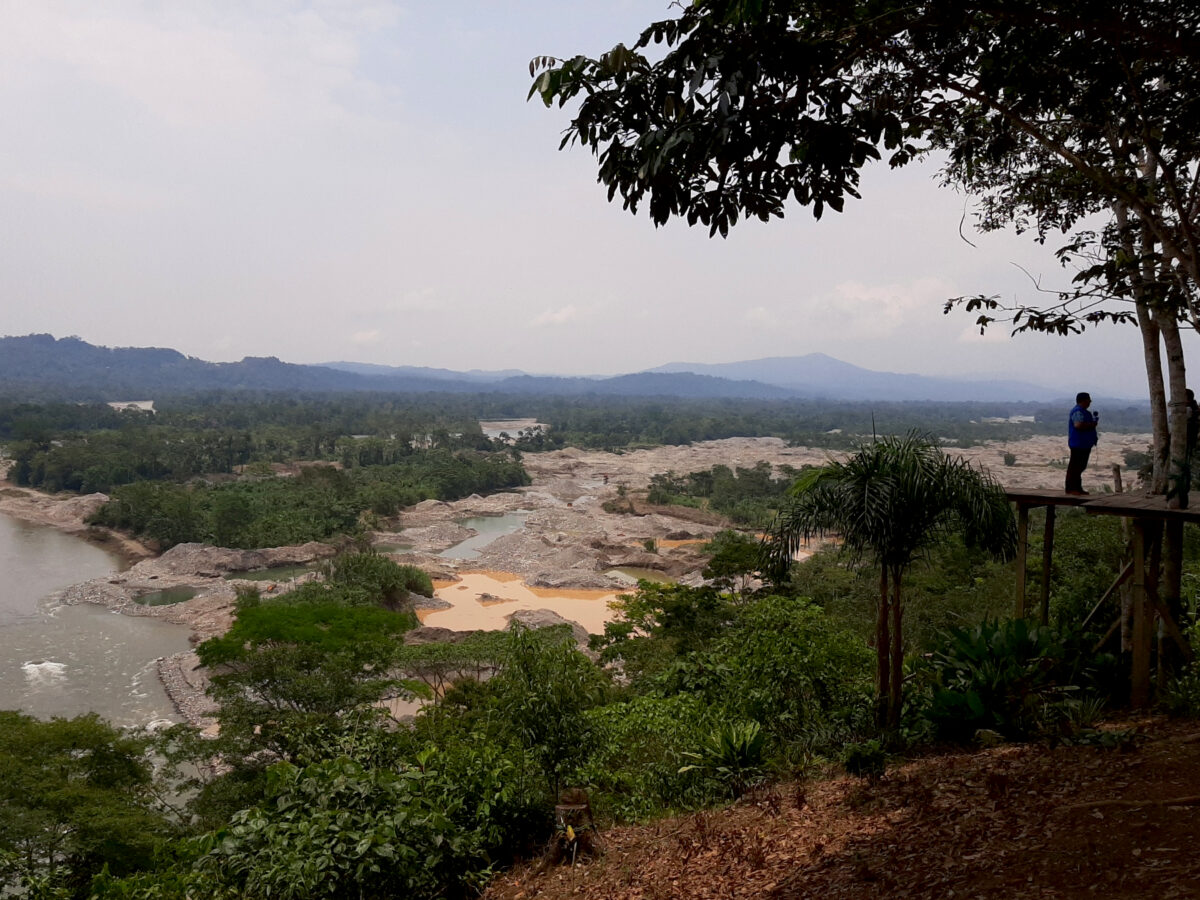
Peru is the world’s leading producer of silver and among its top five producers of gold, zinc and copper, and Alan Garcia, the country’s centre-left president, wants it to become a net oil exporter. In May, the government signed 13 oil and gas concessions with foreign companies, including Reliance of India. At least a dozen more concessions are to be auctioned next month. Perenco, of France, recently announced it would invest $1bn in oil drilling in one of the contested areas, where it denies the existence of any indigenous communities. Mr Garcia has criticised the protesters, arguing that “Peru’s riches belong to all Peruvians”.
Meanwhile, PetroPeru, the state energy company, says the protests have forced it to shut its crude oil pipeline, at a cost of $119,000 a day. Miguel Celi, PetroPeru’s general manager, told state media that Pluspetrol of Argentina, which produces about a fifth of Peru’s total crude, around 30,000 barrels a day, has now also suffered a knock-on effect as it relies on the pipeline.
The demonstrators are demanding that presidential decrees passed in conjunction with changes to implement a trade agreement with the US be repealed. Mr Pizango says the decrees serve only to increase the rights of oil, mining, logging and agricultural companies at the expense of indigenous communities.
Mr Simon has promised a softening of the decrees and an end to the protests within the week, but there is little sign of progress.
‘All over the Andes there are lots of indigenous communities who have no rights over their lands,” said Gregor MacLennan, of Amazon Watch. “The very fact that they have lived there and always lived there means they have rights, but they don’t have an official title document given to them by the government and lodged in a registrar.”
Talks continue next week.