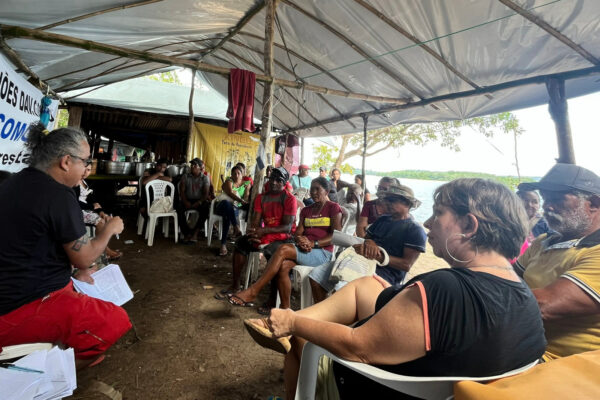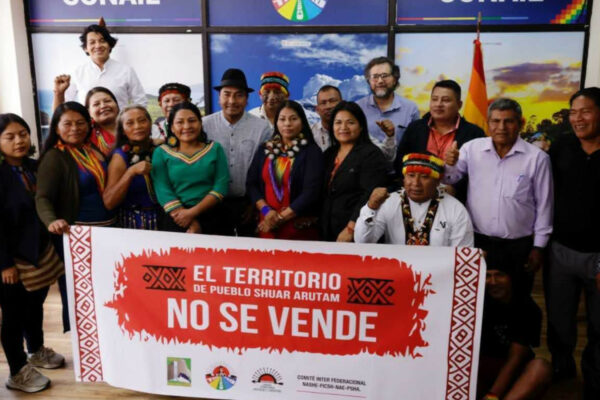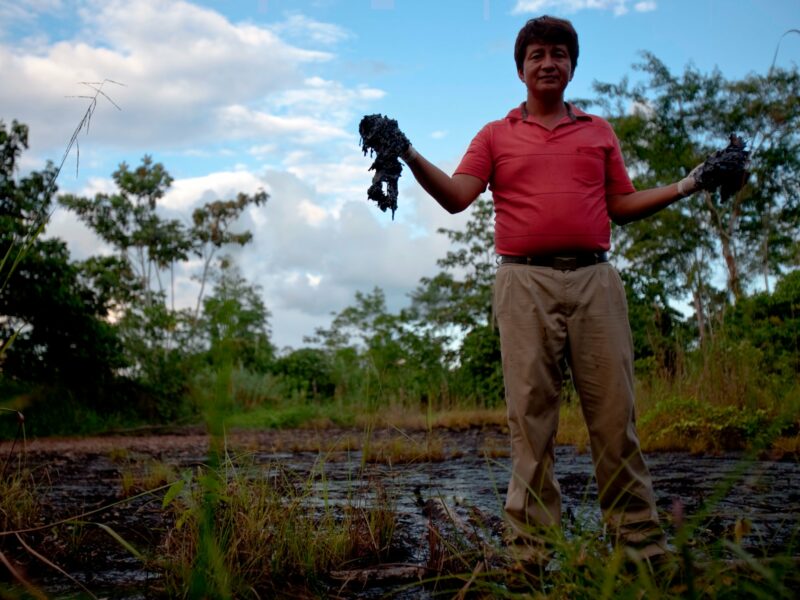

After decades of oil drilling, they have seen their land destroyed, and their waters polluted.
But members of Ecuador’s indigenous communities have yet to see a single penny for the damage inflicted on their lives by Chevron and its subsidiary, Texaco.
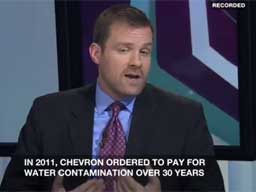
Nearly two years ago, an Ecuadorian court found the oil giant liable for the pollution and ordered it to pay more than $18bn to the plaintiffs.
“What we have seen are all kinds of different problems for the indigenous communities – there are five different indigenous peoples – that’s the loss of their territory, cultural impacts, but it’s really the health impact that we have been seeing, different kinds of cancer that have come about, and hundreds of people who have died from cancer.”Andrew Miller, Amazon Watch
But Chevron, calling the case fradulent, has sought to block enforcement of the ruling in US and international courts.
And since Chevron has few assets in Ecuador, the plaintiffs are trying to get the ruling enforced in other countries.
Two weeks ago, a judge in Argentina ordered the freezing of all of Chevron’s assets in that country. They are now hoping for a similar ruling in Canada.
Chevron released a statement after the Judgement Enforcement Action was announced. It read, in part:
“The Ecuador judgment is a product of bribery, fraud, and it is illegitimate. Chevron does not believe that the Ecuador judgment is enforceable in any court that observes the rule of law.
“If the plaintiffs’ lawyers believed in the integrity of their judgment, they would be seeking enforcement in the United States – where Chevron Corporation resides.”
In another statement, the company said: “Plaintiffs’ lawyers have no legal right to embargo subsidiary assets in Argentina and should not be allowed to disrupt Argentina’s pursuit of its important energy resources.”
“Why we have this real epidemic of cancers and public impacts and indigenous cultures that have been decimated, really, [is for Texaco] to save $4.5 million.”Graham Erion, attorney
So, what will it take for the energy giant to pay out the billions of dollars it owes for the pollution of the Amazon?
And can foreign courts enforce the Ecuadorian judge’s ruling and finally succeed in holding Chevron accountable?
To discuss, Inside Story Americas, with presenter Shihab Rattansi, is joined by guests: Graham Erion, one of the attornies representing the Ecuadorian communities; Andrew Miller, advocacy co-ordinator with Amazon Watch; and Tyson Slocum, the director of Public Citizen’s energy program.
Chevron was invited to participate in the discussion, but was not able to provide a representative in time for the taping of this programme. Inside Story Americas looks forward to having them on in future episodes.